

Robot Minds Get Smarter: Yushu Tech Patents Breakthrough Interaction Control
Yushu's Robot Control Breakthrough
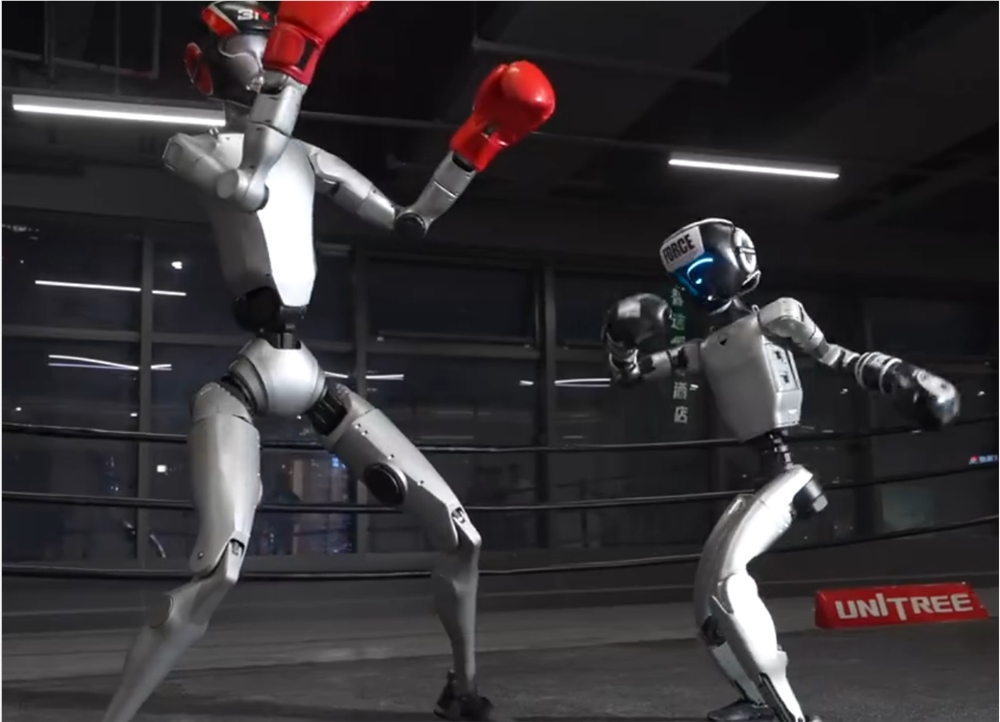
In a significant leap forward for robotics, Yushu Technology has been granted patent rights for its groundbreaking interaction control system. The innovation promises to make robots more responsive and intuitive than ever before.
How It Works
The secret lies in a sophisticated three-part system:
- Scene Understanding: Robots analyze their environment in real-time
- Interaction Prediction: They forecast how their actions will affect surroundings
- Diffusion Strategy: They make decisions based on these projections
"This isn't just about faster reactions," explains Dr. Lin Wei, Yushu's lead roboticist. "We're giving machines something akin to anticipation - the ability to consider consequences before acting."
The technology solves a persistent challenge in robotics: the gap between perception and action. Traditional systems often struggle with understanding how their movements might alter their environment, leading to clumsy or inefficient behavior.
Real-World Impact
Early tests show remarkable improvements:
- Response times cut by nearly 40%
- Task completion accuracy up by 25%
- Adaptability in unpredictable environments enhanced significantly
The implications span industries from manufacturing to healthcare. Imagine surgical robots that can adjust mid-procedure as conditions change, or warehouse bots that navigate crowded spaces with human-like grace.
What's Next?
Yushu plans to integrate the technology across its product line within 18 months. Competitors are already scrambling to develop similar systems, but Yushu's patent gives them a substantial head start.
The company hints at even more advanced versions coming soon, potentially incorporating AI learning capabilities that would allow robots to refine their predictions over time.
Key Points:
- Patent secured: Official approval received December 2025
- Faster responses: System reduces lag between perception and action
- Better predictions: Robots can now anticipate environmental changes
- Wide applications: From factories to hospitals could benefit