
Qualcomm's X105 Modem Brings AI Boost to Next-Gen Connectivity

Qualcomm Raises the Bar With AI-Powered X105 Modem

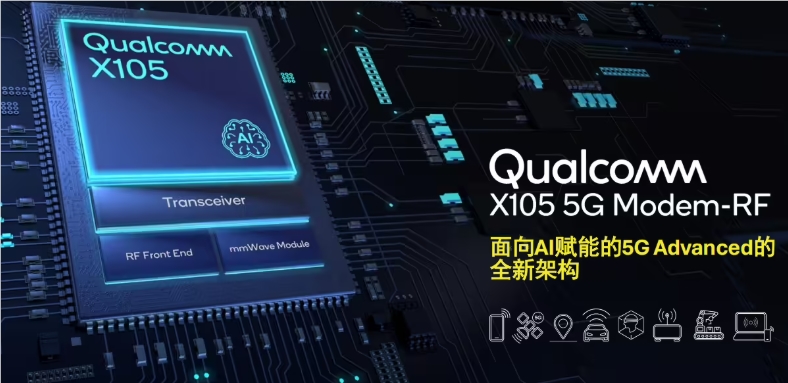
At this year's Mobile World Congress in Barcelona, Qualcomm made waves with its latest technological leap - the X105 modem and RF system. This isn't just another incremental upgrade; it's a complete rethinking of how AI can transform wireless communication.
Image

Smarter Connections Through AI Integration

The X105 stands out by baking artificial intelligence directly into its architecture. Imagine your phone anticipating weak signal areas before you enter them, or your smartwatch adjusting its connectivity based on your activity - that's the promise of Qualcomm's fifth-generation AI processor. Developers gain new tools through specialized APIs that let devices predict and adapt to network conditions in real time.

Engineering Marvels Under the Hood

What makes engineers particularly excited? The X105 manages to shrink circuit boards by 15% while slashing power consumption by nearly a third compared to previous models. These efficiency gains could translate to thinner smartphones and wearables that last days instead of hours on a single charge.

The modem breaks new ground with four firsts:

  • Satellite calling made standard: NR-NTN support means reliable connections beyond cell towers
  • Pinpoint positioning: Quad-band GNSS (L1/L2/L5/L6) improves location accuracy worldwide
  • AI-optimized handoffs: Smoother transitions between networks without dropped calls
  • Compact powerhouse: More performance packed into less space than ever before

Why This Matters Beyond Smartphones

While consumers will notice better battery life and faster speeds, the X105's impact stretches much further. Industrial IoT devices can operate longer in remote areas thanks to satellite backup. Autonomous vehicles gain more precise positioning crucial for safety systems. Even emergency responders benefit from reliable connections when traditional networks fail.

The package includes Qualcomm's new QET8200 envelope tracker and high-efficiency power amplifiers, ensuring strong signals whether you're downtown or off-grid.

Key Points:

  • AI integration enables predictive connectivity adjustments
  • 30% power reduction extends device battery life significantly
  • Satellite support brings coverage to previously dead zones
  • Quad-band GPS provides meter-level accuracy globally

Enjoyed this article?

Subscribe to our newsletter for the latest AI news, product reviews, and project recommendations delivered to your inbox weekly.

Weekly digestFree foreverUnsubscribe anytime

Related Articles

News

Honor's Magic8 Brings AI to Your Fingertips with Physical Button

Honor's Magic8 smartphone introduces a game-changing physical AI button, blending tactile feedback with smart functionality. Brand director Guo Rui explains how this simple hardware feature delivers powerful AI access - from instant camera activation to seamless voice assistant calls. In an era of disappearing buttons, Honor proves some physical controls still deserve a place in our pocket computers.

March 2, 2026
smartphone innovationAI hardwareHonor Magic8
News

Lenovo's Desk Robots Bring AI to Life at MWC 2026

At MWC 2026, Lenovo unveiled two groundbreaking AI devices that break free from screens and enter the physical workspace. The expressive AI Workmate robotic arm scans documents and projects presentations, while the discreet AI Work Companion manages schedules and organizes your desk. These innovations signal a shift toward AI that interacts with our physical environment.

March 2, 2026
AI hardwareworkplace technologyrobotics
News

Alibaba Steps Into Wearable AI With Qwen Smart Glasses Launch

Alibaba is making waves in wearable tech with its upcoming Qwen AI glasses, set to debut at MWC 2026. These smart glasses promise seamless integration with Alibaba's ecosystem, letting users order food, shop online, and book tickets hands-free. The move signals Alibaba's growing ambitions in AI hardware and could boost related investment funds.

February 27, 2026
wearable techAlibabaAI hardware
Your Phone Just Got Smarter: Google's Gemini Now Books Rides and Orders Food
News

Your Phone Just Got Smarter: Google's Gemini Now Books Rides and Orders Food

Google's Gemini AI takes a giant leap forward, transforming smartphones into personal assistants that can actually complete tasks for you. The latest update lets Pixel 10 and Galaxy S26 users simply speak commands to hail rides, order takeout, or shop for groceries—all without lifting a finger. While currently limited to flagship devices in select markets, this breakthrough hints at a future where our phones truly work for us.

February 27, 2026
AI assistantsmobile technologyGoogle Gemini
News

Alibaba Unveils Qwen AI Glasses at MWC 2026

Alibaba's Qwen assistant takes a bold step into wearable tech with its debut AI glasses at MWC 2026. These smart glasses promise to revolutionize how we interact with digital services in daily life, from ordering food to navigating cities. Pre-orders open March 2nd, marking Alibaba's ambitious push beyond smartphones into multi-device AI integration.

February 27, 2026
wearable techAI hardwareAlibaba
News

Memory Prices Set to Climb Through 2026 as AI Hunger Grows

SK Hynix warns that memory chip prices will keep rising through 2026, fueled by insatiable AI demand. While PC and mobile markets may cool, server needs remain strong. The company reports tight inventories across DRAM and NAND products, giving suppliers pricing power. Customers are learning the hard way that panic buying only worsens shortages.

February 22, 2026
semiconductorsmemory chipsAI hardware