OpenAI's GPT-5.3-Codex transforms coding with free API access
OpenAI's New Programming Model Raises the Bar
Developers worldwide have gained a powerful new tool with OpenAI's official release of GPT-5.3-Codex on February 25, 2026. This advanced programming model completes its beta testing phase and now offers full API and third-party platform access.
More Than Just Code Generation
The latest iteration represents a fundamental shift in AI-assisted development. Rather than simply generating code snippets, GPT-5.3-Codex demonstrates genuine understanding of complex engineering workflows.
Key improvements include:
Expanded Context Handling: The model now processes up to 400K tokens, allowing it to work with entire codebases simultaneously—eliminating the frustration of cross-file references in large projects.
Performance Boost: Response times have improved by 25%, particularly noticeable during multi-step development tasks.
Interactive Development: Developers can now intervene mid-task, adjusting requirements or changing directions without losing valuable context.
Customizable Reasoning: A new reasoning_effort parameter lets programmers control how deeply the model thinks about problems, from quick solutions (low) to thorough analysis (xhigh).
Self-Improving Capabilities
Perhaps most remarkably, GPT-5.3-Codex demonstrated autonomous debugging and optimization during training—essentially participating in its own improvement process.
Accessible Pricing Structure
The model is available through multiple channels:
- Official OpenAI API platform
- Third-party services like OpenRouter
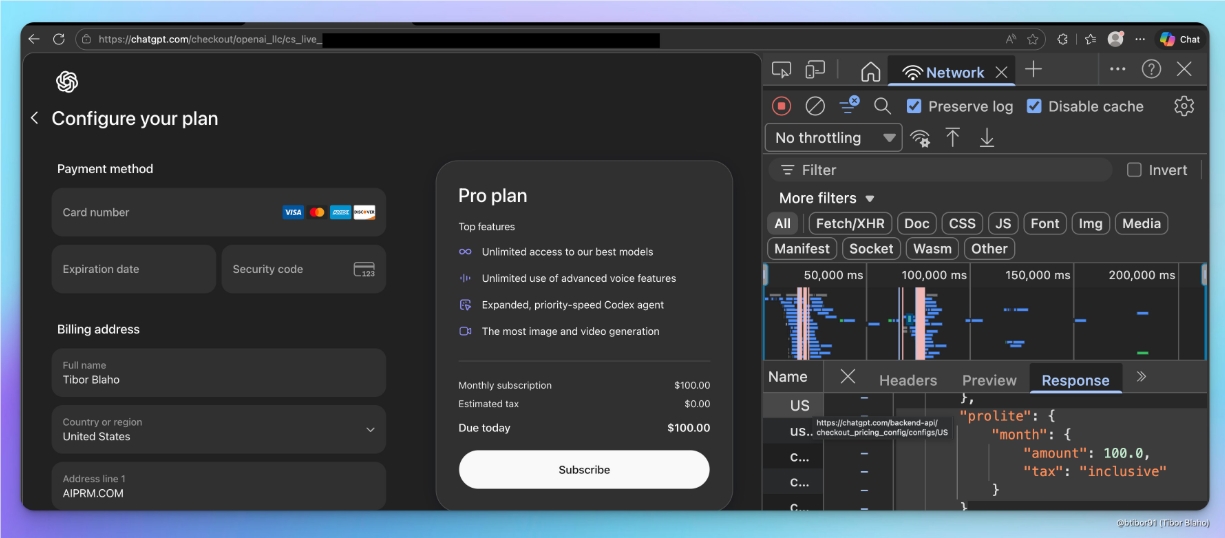
The pricing structure balances affordability with functionality:
- $1.75 per million input tokens
- $14 per million output tokens A caching mechanism ($0.175 per million) significantly reduces costs for repeated requests.
Industry Developments
The tech world continues evolving rapidly:
Hardware Costs: HP reports memory prices nearly doubled last quarter, now accounting for 35% of PC component costs—potentially affecting developer workstation prices.
Future Workforce: Tsinghua University's Professor Zhang Yaqin predicts robots will outnumber humans within a decade, potentially reducing human workweeks to just two days without salary reductions.
Entrepreneurial Moves: JD.com founder Jack Ma enters the yacht industry with Sea Expandary, aiming to make luxury boating accessible to working professionals.