OpenAI Reintroduces GPT-4o Amid User Emotional Attachment
OpenAI Reintroduces GPT-4o Amid User Emotional Attachment
In a surprising move, OpenAI has decided to reintroduce GPT-4o, its predecessor to GPT-5, after users expressed strong emotional reactions to its discontinuation. The company revealed that many users felt a deep connection to the older model, likening its removal to losing a familiar companion.
User Reactions and Company Response
During a recent interview, Nick Turley, OpenAI's Chief Product Officer, admitted that the launch of GPT-5 did not go as smoothly as anticipated. "We underestimated the emotional needs of our users," Turley said. "Many had developed a reliance on GPT-4o, and its sudden absence left them feeling disconnected."
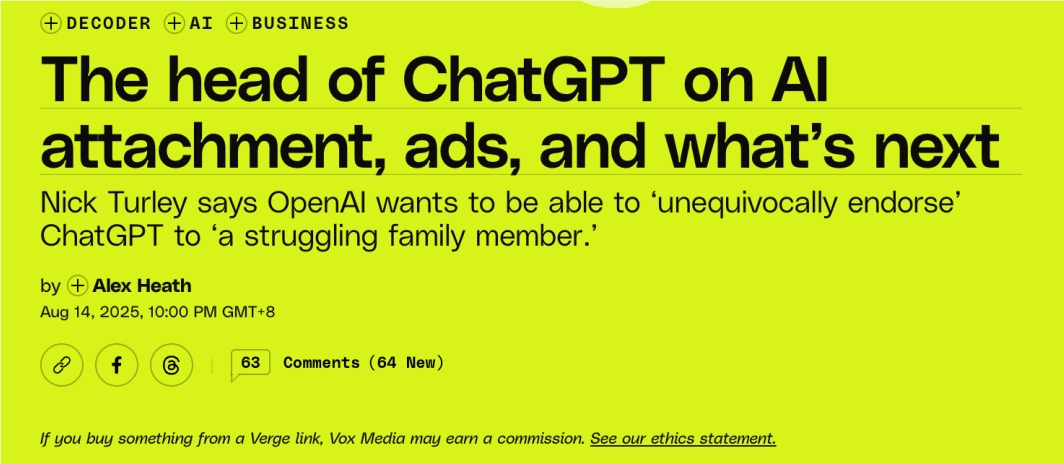
Turley explained that OpenAI had initially focused too heavily on simplifying its offerings with GPT-5, aiming for a one-size-fits-all solution. This approach backfired as users craved customization and familiarity. "We failed to roll out the new model in stages, forcing users into an unfamiliar experience," he added.
Corrective Measures and Future Plans
To address these concerns, OpenAI has taken swift action:
- Reintroduced GPT-4o for ChatGPT premium users.
- Added personality customization features to GPT-5, allowing users to tailor their interactions.
Turley emphasized that future updates will prioritize user-centric design, including iterative improvements to model personalities. "Our goal is to make AI interactions warmer and more personalized," he stated.
Lessons Learned
The incident has served as a valuable lesson for OpenAI. Moving forward, the company plans to:
- Better manage user expectations during transitions.
- Incorporate emotional considerations into product development.
The reintroduction of GPT-4o highlights the growing importance of emotional engagement in AI adoption—a factor OpenAI now vows to prioritize.
Key Points:
- GPT-4o returns due to user demand for familiarity.
- Open AI acknowledges missteps in GPT-5 rollout strategy. 1 Future updates will focus on personalization and emotional connection.