OpenAI Reinstates GPT-4o Amid User Feedback on GPT-5

OpenAI Reinstates GPT-4o After User Pushback on GPT-5

OpenAI has made the unexpected decision to reinstate access to its GPT-4o model following user feedback criticizing the newer GPT-5 release. The move underscores the company's responsiveness to user preferences and the challenges of rolling out major AI updates.

User Feedback Drives Decision

In a recent interview with Decoder host Alex Heath, Nick Turley, head of ChatGPT at OpenAI, revealed that the launch of GPT-5 did not go as smoothly as anticipated. Users reported a noticeable shift in the model's behavior, describing it as "less obsequious" and less intuitive compared to GPT-4o. This feedback prompted OpenAI to quickly restore access to the older model.

Turley admitted that the strong user attachment to GPT-4o came as a surprise. "Many users felt a sense of familiarity and natural interaction with GPT-4o that seemed lacking in GPT-5," he explained. The company recognized that technological improvements alone don't guarantee user satisfaction.

Balancing Innovation and User Experience

The situation highlights the delicate balance AI companies must strike between innovation and consistency. While GPT-5 demonstrated measurable performance gains, its altered interaction style proved disruptive for many users accustomed to GPT-4o's approach.

Turley emphasized that user feedback played a crucial role in the decision-making process. "We're learning that our users develop relationships with these models," he noted. "When we make changes, we need to be more mindful of those relationships."

Future Development Approach

This episode has prompted OpenAI to reconsider its product update strategy. The company plans to:

  1. Implement more gradual transitions between model versions
  2. Enhance communication about upcoming changes
  3. Establish better feedback channels for users
  4. Consider offering parallel access to multiple model versions during transitions

The reinstatement of GPT-4o serves as a temporary measure while OpenAI works on addressing the concerns raised about GPT-5. Turley confirmed that future updates will incorporate lessons learned from this experience.

Key Points:

  • 🔄 GPT-4o reinstated after user dissatisfaction with GPT-5's interaction style
  • 💬 OpenAI surprised by strong user attachment to previous model version
  • ⚖️ Company reevaluating approach to balancing innovation and user experience
  • 📢 Plans for improved communication and feedback mechanisms in future updates
Enjoyed this article?

Subscribe to our newsletter for the latest AI news, product reviews, and project recommendations delivered to your inbox weekly.

Weekly digestFree foreverUnsubscribe anytime

Related Articles

Tencent Cloud's CubeSandbox: A Game-Changer for AI Agent Development
News

Tencent Cloud's CubeSandbox: A Game-Changer for AI Agent Development

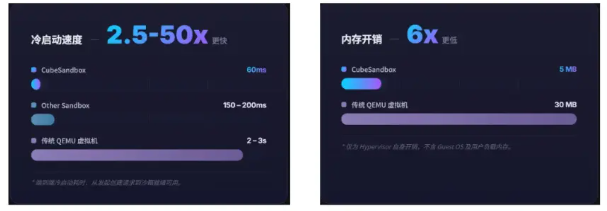
Tencent Cloud has open-sourced CubeSandbox, a cutting-edge execution environment for AI agents that combines blistering speed with ironclad security. This innovative platform slashes startup times to under 60 milliseconds while maintaining hardware-level isolation - a first for open-source sandbox solutions. Developers can now migrate existing applications with minimal fuss, thanks to native E2B interface support. The lightweight design consumes just 5MB per instance, allowing thousands of sandboxes to run simultaneously on a single server.

April 22, 2026
AI DevelopmentCloud ComputingTencent
Claude Code Removal Sparks Developer Backlash Against Anthropic
News

Claude Code Removal Sparks Developer Backlash Against Anthropic

Anthropic has quietly removed its popular Claude Code tool from Pro subscriptions, angering developers who discovered the change without warning. The AI company claims this is just a small test affecting 2% of users, but the lack of transparency has eroded trust. With computing costs soaring, Anthropic faces tough choices balancing service quality against financial sustainability in the competitive AI market.

April 22, 2026
AnthropicAI DevelopmentSubscription Models
OpenAI Codex's Chronicle: Your AI Assistant with a Memory
News

OpenAI Codex's Chronicle: Your AI Assistant with a Memory

OpenAI's Codex now remembers your work context with its new Chronicle feature. This optional tool records your screen activity to create a memory library, helping the AI recall your previous work without repetition. Currently in preview for ChatGPT Pro users on macOS (excluding EU/UK/Switzerland), it auto-deletes recordings after six hours. But beware - it may drain API quotas and stores data unencrypted locally.

April 21, 2026
OpenAICodexAI Productivity
Google Throws Open Doors to Premium AI Tools for Free
News

Google Throws Open Doors to Premium AI Tools for Free

In a surprise move, Google has removed paywalls for its top-tier AI models in AI Studio. Pro and Ultra members can now access advanced tools like Gemini Pro without credit cards or API keys. This shift lowers barriers for developers and creators looking to experiment with cutting-edge AI technology.

April 21, 2026
Google AIAI DevelopmentMachine Learning
ChatGPT rolls out smart age detection to protect young users
News

ChatGPT rolls out smart age detection to protect young users

OpenAI is introducing an innovative age prediction system for ChatGPT that analyzes user behavior to identify minors. When the AI detects someone under 18, it automatically activates protective filters that block sensitive content. The feature includes optional identity verification through Persona, requiring selfies or IDs for confirmation. Launching first in Europe, this move shows OpenAI's commitment to creating safer digital spaces for teenagers as AI becomes more prevalent in daily life.

April 20, 2026
ChatGPTonline safetyAI ethics
OpenAI Shake-Up: Three Top Executives Exit Amid Strategic Shifts
News

OpenAI Shake-Up: Three Top Executives Exit Amid Strategic Shifts

OpenAI faces a leadership crisis as three senior executives resigned simultaneously. Kevin Werth, Bill Pibbels, and Srinivas Narayanan - all key figures in the company's scientific research and product development - announced their departures on April 19. The shake-up comes as OpenAI discontinues its Sora video tool amid high operating costs and decentralizes its research department. Industry watchers see this as part of broader challenges facing the AI pioneer in a rapidly evolving market.

April 20, 2026
Artificial IntelligenceCorporate RestructuringExecutive Changes