
OpenAI Launches GPT-Realtime with Image and Speech Capabilities

OpenAI Unveils GPT-Realtime: A Leap in Multimodal AI Interaction

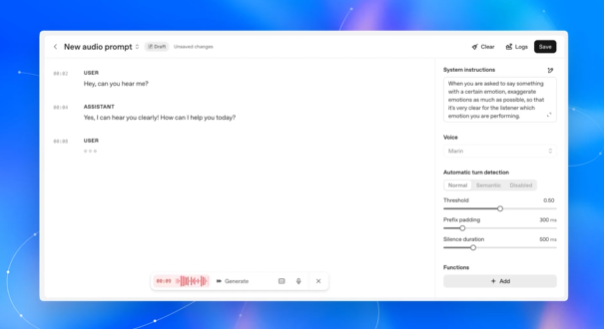
OpenAI has officially launched GPT-Realtime, its most advanced speech-to-speech model to date, designed for production-level speech agents. This multimodal model integrates text, audio, and image inputs, marking a significant milestone in AI-driven communication.

GPT-Realtime: Redefining Speech Interaction

GPT-Realtime eliminates the need for multiple traditional models (speech-to-text, text reasoning, and text-to-speech) by using a single end-to-end architecture. This approach reduces latency and preserves nuances like tone, emotion, and accent for more natural conversations.
Image

Core Capabilities

  • Nonverbal Signal Recognition: Captures laughter, pauses, and other cues to enhance interaction realism.
  • Language and Tone Adjustment: Supports seamless language switching and adapts tone (e.g., professional or enthusiastic) for diverse scenarios.
  • High-Precision Reasoning: Achieves 82.8% accuracy in the BigBenchAudio benchmark, up from 65.6% in previous models.
  • Optimized Instruction Following: Accuracy improved from 20.6% to 30.5% in complex tasks like reading legal statements verbatim.
Image

Innovative Features Expand Applications

Image Input Support

The model can process images and describe their content, enabling visual context in speech interactions—ideal for education or customer support.

Communication Integration

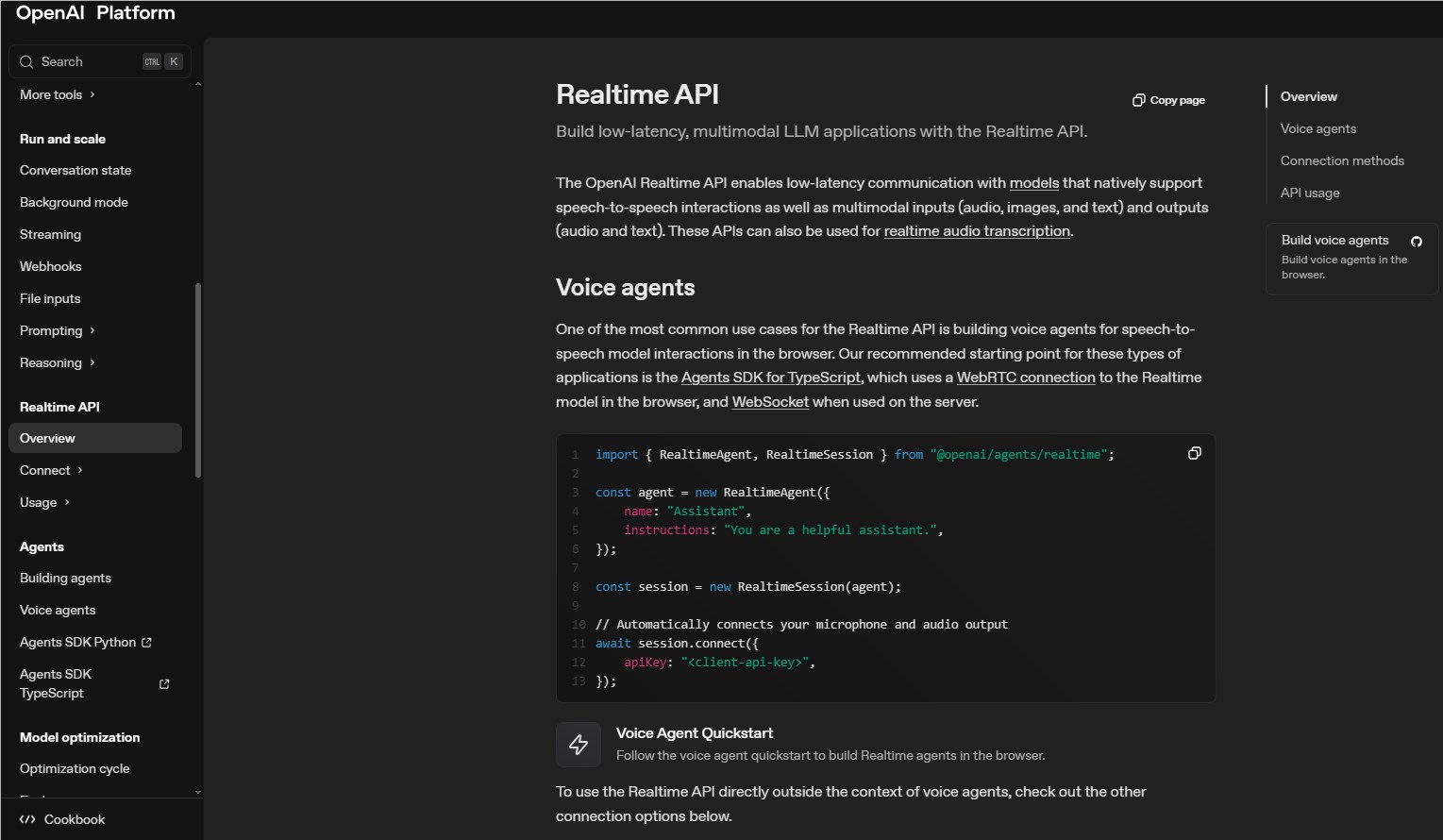
  • Remote MCP and SIP Phone Calls: Developers can integrate GPT-Realtime into phone systems for broader real-time interactions.
  • Fine-Grained Context Control: Features like reusable prompts and session trimming allow precise conversation management.

Cost Efficiency for Developers

OpenAI has reduced API pricing:

  • Audio input: $32 per million tokens (previously $40).
  • Audio output: $64 per million tokens (previously $80). This makes GPT-Realtime a cost-effective solution for enterprises deploying speech agents in customer service or personal assistants.

Industry Impact

The launch intensifies competition with rivals like Anthropic’s Claude Voice and Mistral’s Voxtral. Analysts predict GPT-Realtime’s multimodal features will accelerate adoption in customer service centers and real-time translation.

Future Prospects

OpenAI plans to expand into video and other modalities, further solidifying its multimodal ecosystem. Combined with the recent Agents SDK, developers can upgrade text apps to speech with minimal code.

Key Points

  • Multimodal Mastery: Supports text, audio, and image inputs for richer interactions.
  • Cost Reduction: API pricing cut by 20%, making it more accessible.
  • Industry Leadership: Sets a new benchmark with low latency and high expressiveness.
  • Developer-Friendly: Integrates seamlessly with existing systems via MCP/SIP protocols.

Enjoyed this article?

Subscribe to our newsletter for the latest AI news, product reviews, and project recommendations delivered to your inbox weekly.

Weekly digestFree foreverUnsubscribe anytime

Related Articles

OpenAI's Secret Project Sweetpea Takes Aim at AirPods
News

OpenAI's Secret Project Sweetpea Takes Aim at AirPods

OpenAI appears to be making a bold move into hardware, teaming up with Apple's legendary designer Jony Ive. Their secret project, codenamed Sweetpea, promises to shake up the audio market with its unconventional pebble-shaped design and advanced AI capabilities. Sources suggest these futuristic earbuds could hit shelves as early as September.

January 14, 2026
OpenAIWearableTechJonyIve
News

OpenAI Lures Top Talent from Google and Moderna to Lead AI Strategy Push

OpenAI has made a strategic hire, bringing on Brice Challamel from Moderna to spearhead enterprise AI adoption. With deep experience implementing AI solutions at both Moderna and Google Cloud, Challamel will focus on transforming OpenAI's research into practical business applications. This move signals OpenAI's shift from pure research to helping companies deploy AI responsibly at scale.

January 13, 2026
OpenAIAIStrategyEnterpriseTech
News

OpenAI Bets Big Again With Second Super Bowl Ad Push

OpenAI is doubling down on its Super Bowl marketing strategy, reportedly planning another high-profile commercial during next year's big game. The move signals intensifying competition in the AI chatbot space as tech giants battle for consumer attention. While OpenAI maintains market leadership, rivals are closing the gap, prompting aggressive brand-building efforts through mass media channels.

January 13, 2026
OpenAISuperBowlAIMarketing
News

OpenAI's Data Grab Raises Eyebrows Among Contract Workers

OpenAI is stirring controversy by requiring contractors to upload real work samples—from PowerPoints to code repositories—for AI training purposes. While the company provides tools to scrub sensitive information, legal experts warn this approach carries substantial risks. The practice highlights the growing hunger for quality training data in the AI industry, even as it tests boundaries around intellectual property protection.

January 12, 2026
OpenAIAI EthicsData Privacy
OpenAI Makes First Move of 2026, Snapping Up Convogo's Talent
News

OpenAI Makes First Move of 2026, Snapping Up Convogo's Talent

OpenAI kicks off the new year with a strategic talent acquisition, bringing Convogo's founding team aboard to bolster its enterprise AI offerings. The all-stock deal sees three co-founders joining OpenAI's AI Cloud Program while their existing coaching platform winds down. This marks OpenAI's ninth acquisition in twelve months as the company aggressively expands its ecosystem through targeted team acquisitions rather than product buyouts.

January 9, 2026
OpenAIAI acquisitionsEnterprise tech
News

OpenAI's new health assistant deciphers medical reports like a pro

OpenAI has launched ChatGPT Health, an AI service that helps users make sense of complex medical reports and manage personal health. The tool integrates data from electronic records and fitness apps, generates doctor visit questions, and creates personalized wellness plans. Developed with input from 260 doctors worldwide, it prioritizes safety by operating in an encrypted environment separate from regular chats. While powerful, OpenAI stresses it's meant to assist - not replace - human medical professionals.

January 8, 2026
AIhealthmedicaltechnologyOpenAI