Midea Unveils Next-Gen Home AI System for Smart Homes

Midea Unveils Next-Generation Home AI System

At its recent Visionary Conference, Midea Group showcased its latest advancements in smart home technology with the introduction of Home AI, a next-generation artificial intelligence system aimed at revolutionizing home automation. The announcement was made by Xu Yi, Director of Midea's AI Research Institute, who emphasized the system's ability to deliver seamless human-machine interactions.

How Home AI Works

The Home AI system operates on a closed-loop framework of connection, perception, reasoning, and execution. This allows it to intelligently link and control household appliances such as lights, curtains, air conditioners, and robot vacuums. By analyzing user behavior patterns, the system can automatically adjust settings to optimize comfort and efficiency.

Xu Yi highlighted that the technology goes beyond simple automation. "Home AI is designed to learn and adapt," he said. "It doesn’t just respond to commands—it anticipates needs based on daily routines."

Building a Smarter Home Ecosystem

A key focus of Midea’s development is the creation of an internal home data network. This network aims to improve interoperability between devices, enabling them to work together more effectively. For example, the system could coordinate lighting and temperature adjustments based on occupancy or time of day.

Industry analysts view this as a significant step forward for Midea. "This isn’t just about smart appliances anymore," said one observer. "Midea is pushing toward a fully integrated intelligent home entity that learns and evolves with its users."

Market Implications

The launch positions Midea as a strong competitor in the rapidly growing smart home market. With consumers increasingly prioritizing convenience and energy efficiency, Home AI could set a new standard for residential automation.

The company has not yet announced pricing or availability details but confirmed that further updates will be shared in early 2026.

Key Points:

  • Home AI uses a closed-loop system (connection-perception-reasoning-execution) for intuitive automation.
  • The technology links devices like lights, air conditioners, and robot vacuums for seamless operation.
  • Midea is developing a home data network to enhance device collaboration and adaptability.
  • Industry experts see this as a shift from standalone smart appliances to holistic intelligent ecosystems.
Enjoyed this article?

Subscribe to our newsletter for the latest AI news, product reviews, and project recommendations delivered to your inbox weekly.

Weekly digestFree foreverUnsubscribe anytime

Related Articles

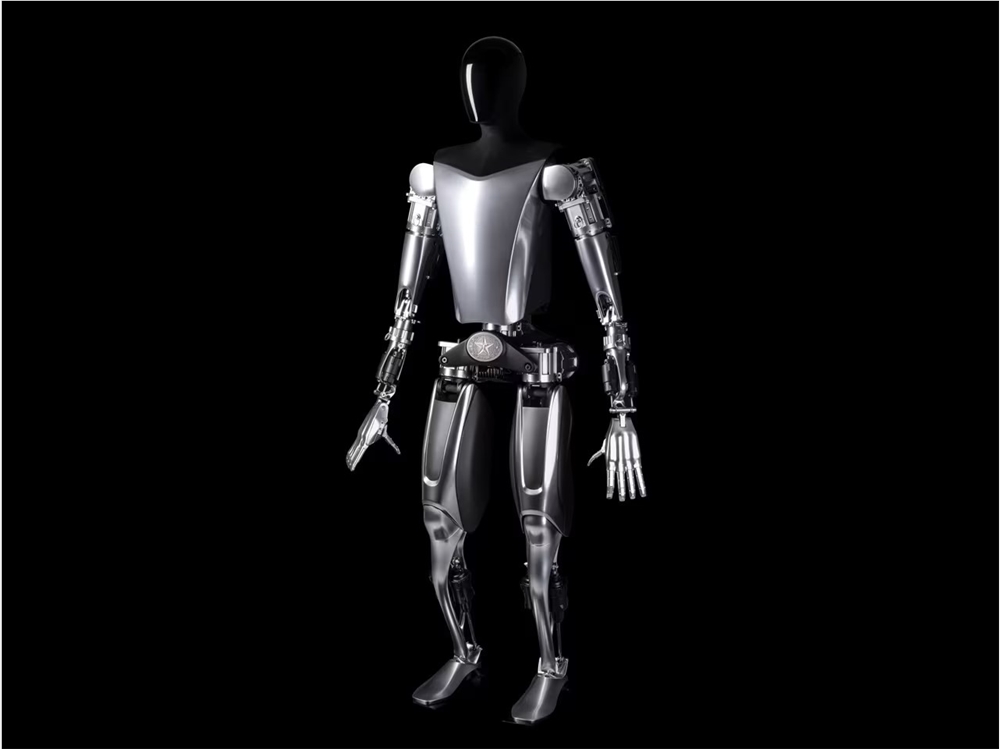
Musk's Davos Surprise: Tesla Robots Coming to Homes by 2027
News

Musk's Davos Surprise: Tesla Robots Coming to Homes by 2027

Elon Musk made waves at Davos by announcing Tesla's Optimus robots will hit consumer markets in late 2027. Currently handling factory tasks, these humanoid assistants could soon be babysitting kids and caring for elderly parents. While Musk paints an optimistic picture of robotic abundance, industry experts caution about production challenges and the need for real-world testing data.

January 23, 2026
TeslaRoboticsElonMusk
Mugen3D Turns Single Photos Into Stunning 3D Worlds
News

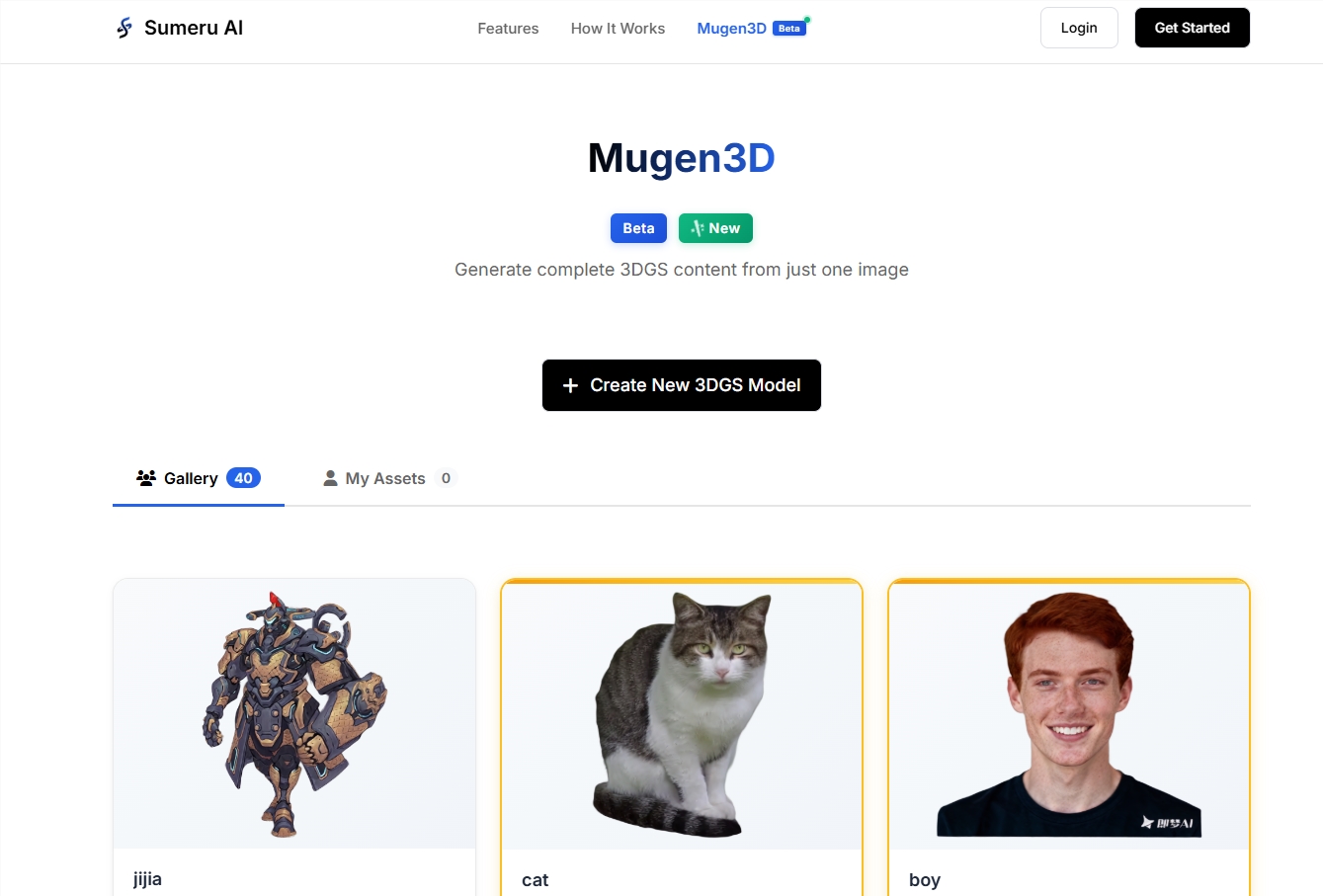
Mugen3D Turns Single Photos Into Stunning 3D Worlds

A groundbreaking AI tool called Mugen3D is transforming how we create 3D content. Using advanced 3D Gaussian Splatting technology, it can generate remarkably realistic models from just one image - capturing textures, lighting, and materials with astonishing accuracy. This innovation promises to democratize 3D creation across industries from gaming to e-commerce.

January 12, 2026
AIComputerGraphicsDigitalCreation
News

Qualcomm and Google Join Forces to Revolutionize Car Tech with AI

Qualcomm and Google are teaming up to tackle one of the automotive industry's biggest headaches: fragmented in-car systems. Their new 'Automotive AI Agent' combines Qualcomm's Snapdragon Digital Chassis with Google's Android Automotive OS, promising smoother development and smarter features like facial recognition. The partnership also introduces cloud-based development tools that could cut R&D time significantly. This collaboration marks a major step toward more unified, intelligent vehicle systems.

January 9, 2026
automotive-techAIsmart-cars
News

Bosch Bets Big on AI with €2.5 Billion Push Into Smart Cars

At CES 2026, automotive giant Bosch unveiled plans to invest over €2.5 billion in AI development by 2027, targeting smarter cockpits and safer autonomous driving systems. The German supplier aims to transform from hardware specialist to software leader, projecting its tech division could hit €10 billion in sales by the mid-2030s.

January 7, 2026
BoschAIautonomous vehicles
MiniMax IPO Fever: Hong Kong Investors Flock to China's AI Pioneer
News

MiniMax IPO Fever: Hong Kong Investors Flock to China's AI Pioneer

MiniMax, China's rising star in AI technology, has concluded its Hong Kong IPO with staggering investor enthusiasm. The offering saw subscriptions oversubscribed by 1,209 times, raising over HK$253 billion. Backed by heavyweight investors like Alibaba and Abu Dhabi Investment Authority, MiniMax is set to become one of the fastest-growing AI companies ever to go public when it lists on January 9.

January 6, 2026
AIIPOHongKongMarkets
NVIDIA CEO Hails Open-Source AI Breakthroughs at CES 2026
News

NVIDIA CEO Hails Open-Source AI Breakthroughs at CES 2026

At CES 2026, NVIDIA's Jensen Huang made waves by championing open-source AI development, singling out DeepSeek-R1 as a standout success. The tech leader revealed NVIDIA's plans to open-source training data while showcasing their new Vera Rubin chip. Huang outlined four key areas where AI is transforming industries, predicting these changes will define future technological paradigms.

January 6, 2026
AIOpen SourceNVIDIA