Meta's AI Video Push in Europe Divides Users: Innovation or Digital Noise?
Meta's AI Video Gamble Faces European Backlash
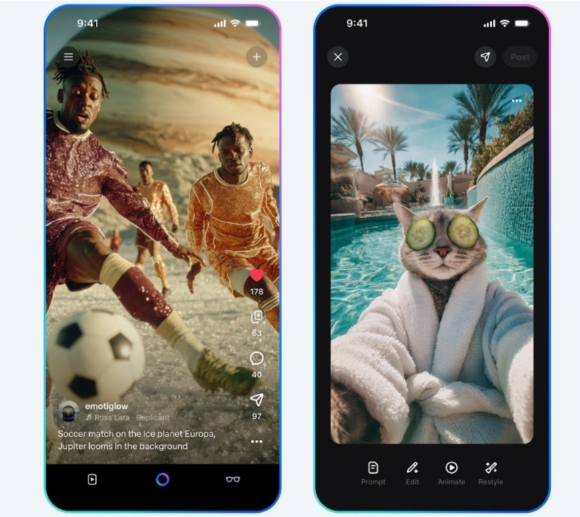
Six weeks after its U.S. debut, Meta has brought its controversial AI video platform Vibes to European users. The feature generates complete short videos from text prompts within Meta's apps, allowing for quick remixing and sharing across Instagram and Facebook. Company executives describe it as "the future of collaborative storytelling."
User Revolt Against 'AI Slop'
The rollout hasn't gone smoothly. When CEO Mark Zuckerberg first announced Vibes in September, his post was flooded with negative comments like "No one asked for this" and "We don't need more digital junk." The term "AI slop" - internet slang for mass-produced, low-quality AI content - quickly trended in response.
"It's like eating fast food every day," explains London-based creator Mia Rodriguez. "At first it's convenient, but soon you crave something real."
Meta's Content Contradiction
What makes this launch particularly puzzling is Meta's recent crackdown on what it called "low-value content." Just last quarter, the company adjusted its algorithms to boost original creator posts while demoting repurposed material. Now critics accuse Meta of doing exactly what it claimed to oppose.
"They're trading authenticity for scale," says tech analyst David Chen. "When every video comes from the same AI model, creativity becomes predictable."
The Efficiency vs. Quality Debate
Other platforms are moving in the opposite direction. YouTube recently implemented stricter AI labeling requirements, while some art communities ban AI generations entirely. Yet Meta appears committed to its AI vision - internal data shows a tenfold increase in AI media creation since Vibes launched.
The company defends Vibes as a tool for human collaboration rather than replacement. "Friends can build stories together that wouldn't exist otherwise," claims product lead Sarah Kim. But without genuine human perspective, many question whether these creations have real meaning.
As this experiment unfolds, one thing is clear: users will ultimately decide whether AI videos enrich social media or drown it in algorithmic sameness.
Key Points:
- European rollout of Vibes follows mixed U.S. reception
- User backlash focuses on generic "AI slop" content
- Contradicts Meta's earlier authenticity push
- Platform divide as competitors restrict AI content
- Critical question: Can AI enhance rather than replace human creativity?