Meet F1: China's Bed-Pushing Robot That Gets Your Day Started
China's Revolutionary Home Robot: F1 Makes Mornings Easier
Imagine waking up not to an alarm clock, but to your entire bed gently moving toward the bathroom. This isn't science fiction - it's the reality promised by Chinese startup "Not Far in the Future" with their groundbreaking F1 home robot.
Your Personal Morning Assistant
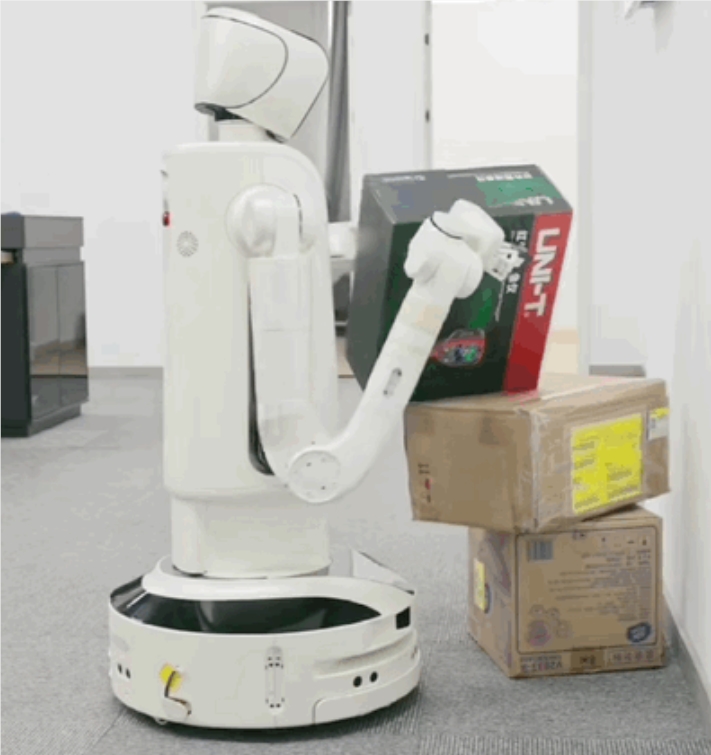
The F1 isn't your typical robotic vacuum cleaner. With 22 joints and a wheeled chassis, this versatile machine tackles what developers call "long sequence waking tasks" - a comprehensive morning routine that includes:
- Opening curtains automatically
- Heating milk for breakfast
- Even waking children with English vocabulary drills
"We designed F1 to be more than appliances on wheels," explains Chief Product Officer Zhang Yi. "It learns family patterns and adapts accordingly."
Smart Technology Behind the Scenes
The robot employs an RVLA model architecture that breaks household chores into millimeter-precise movements through offline training. When encountering obstacles like toys or rugs, it doesn't just give up - it analyzes the situation and attempts alternative approaches.
The company reports an impressive 94% success rate for completed tasks. Its compact design (just 0.4 square meters when folded) allows navigation through tight apartment spaces, even sliding under furniture.
Kids Become Unlikely Trainers
Perhaps most surprisingly, children have emerged as valuable contributors to F1's development. Through simple games like mimicry ("you clap once, I clap once"), young users unknowingly train the robot's AI system overnight.
"By morning, F1 can often replicate new gestures it learned the previous day," Zhang notes. This rapid learning capability will soon expand into educational modules including introductory programming and English conversation.
Coming Soon to Chinese Homes
The first production batch arrives Q1 next year priced under ¥20,000 ($2,800), with initial orders available via WeChat mini-programs. Backed by automotive investors and with a 50,000-unit capacity factory underway in Changzhou, "Not Far in the Future" envisions F1 becoming as essential as smartphones.
The ultimate goal? Creating what developers call a "full-time personal exoskeleton" that handles everything from waking routines to turning off lights at bedtime.
Key Points:
- Multifunctional Design: Combines cleaning, childcare assistance and automated morning routines
- Advanced Mobility: Wheeled base solves space limitations of humanoid designs
- Continuous Learning: Improves through nightly AI retraining based on daily interactions
- Affordable Innovation: Priced competitively for middle-class Chinese families
- Production Ready: Manufacturing scaling up for early 2026 delivery