LiblibAI Enhances Video Creation with Alibaba's Tongyi Model

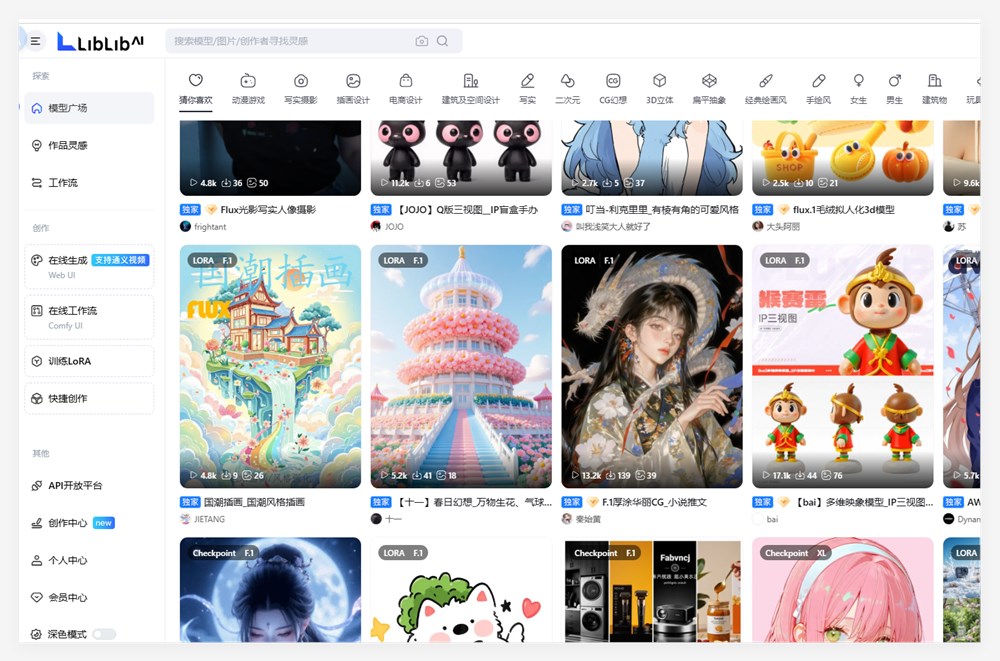
LiblibAI, China's largest AI image creation platform, has announced a significant upgrade by integrating Alibaba's Tongyi series of large language models. This integration enhances the platform's AI capabilities, enabling users to generate 10-second short videos using text prompts or uploaded images. The new feature leverages the Wanxiang model, an open-source tool that has gained substantial traction in the AI community.
Image

According to recent data, Wanxiang 2.1 (Wan2.1) has achieved over 2 million downloads on Hugging Face and ModelScope, along with more than 8.7k stars on GitHub, reflecting its strong market acceptance. This success underscores the growing demand for advanced AI-driven content creation tools.

In addition to video generation, LiblibAI has introduced a prompt optimization window powered by Alibaba's Qwen-turbo large language model. This feature assists users in refining their input prompts and supports automatic translation of Chinese prompts into English, ensuring better compatibility with the model. The integration of Qwen-turbo has reportedly reduced prompt optimization time by over 50%, significantly enhancing the efficiency of AI creation workflows.

As the first AI platform in China to obtain national registration, LiblibAI boasts a robust ecosystem with over 20 million creators and more than 100,000 original models. The platform serves a diverse clientele, including major enterprises like Tmall Campus, Luckin Coffee, and academic institutions such as Tsinghua University. Its "open-source model + modular workflow" approach has established a comprehensive framework for AI content creation, sharing, copyright management, and sales.

Notably, LiblibAI has completed four rounds of financing within the past year, setting a record for funding speed in China's AI application sector. This achievement highlights the platform's strong market competitiveness and potential for future growth.

Key Points

  1. LiblibAI integrates Alibaba's Tongyi large language models to enhance its AI capabilities.
  2. The platform introduces a 10-second video generation feature using text or image inputs.
  3. Wanxiang 2.1 has achieved over 2 million downloads and 8.7k GitHub stars.
  4. Prompt optimization tools powered by Qwen-turbo reduce processing time by over 50%.
  5. LiblibAI serves over 20 million creators and has completed four funding rounds in one year.
Enjoyed this article?

Subscribe to our newsletter for the latest AI news, product reviews, and project recommendations delivered to your inbox weekly.

Weekly digestFree foreverUnsubscribe anytime

Related Articles

News

Alibaba and Shanghai AI Lab Tackle AI Safety in New White Paper

As AI evolves from chatbots to autonomous agents, safety concerns take center stage. Alibaba and Shanghai Artificial Intelligence Laboratory have teamed up to release a groundbreaking white paper addressing these risks. The document outlines a three-pronged approach focusing on corporate responsibility, social benefit, and industry collaboration. This comes as China's tech sector shifts its focus from raw computing power to responsible AI development.

April 1, 2026
AI SafetyAlibabaShanghai AI Lab
Alibaba's New AI Image Model Brings Hyper-Realistic Faces and More
News

Alibaba's New AI Image Model Brings Hyper-Realistic Faces and More

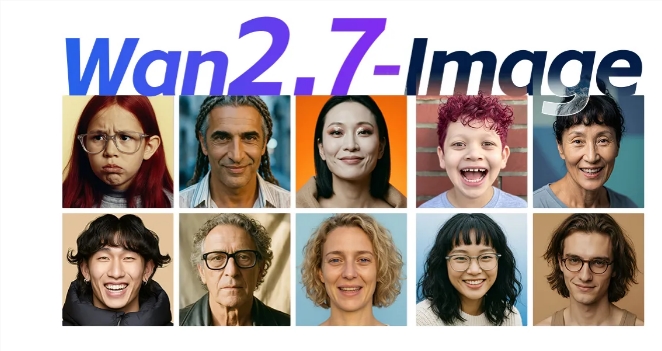
Alibaba has unveiled Wan2.7-Image, a groundbreaking AI model that revolutionizes image generation. Gone are the days of generic 'AI faces' - this technology enables pixel-perfect facial customization down to bone structure and eye shape. It also masters artistic color transfer and can generate print-quality documents with complex formatting. With interactive editing features and multi-subject consistency, this tool is set to transform industries from e-commerce to entertainment.

April 1, 2026
AI image generationAlibabadigital content creation
News

Alibaba AI Lab Uncovers Critical Flaws in OpenClaw Framework

Alibaba's AI Security Lab recently conducted an in-depth audit of the open-source autonomous agent framework OpenClaw, uncovering 33 security vulnerabilities. Within days of their report, developers patched eight critical flaws including one severity level 1 vulnerability. This swift response highlights growing industry concerns about AI security as autonomous systems become more prevalent.

March 30, 2026
AI SecurityOpenClawCybersecurity
China's Qwen3.5-Max Outperforms Global Rivals in AI Benchmark Test
News

China's Qwen3.5-Max Outperforms Global Rivals in AI Benchmark Test

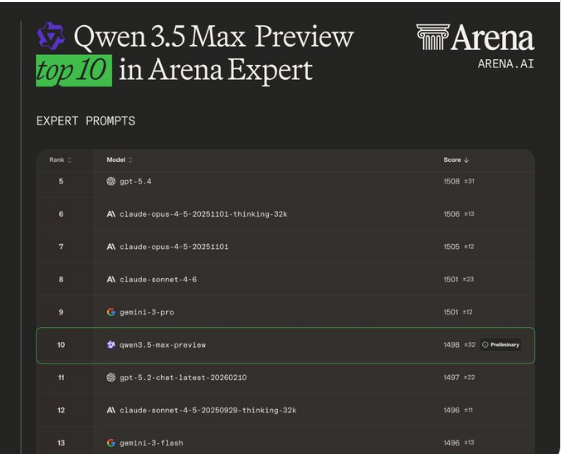
Alibaba's latest AI model, Qwen3.5-Max-Preview, has topped the LMArena benchmark with a record-breaking score of 1464 points, surpassing international competitors like GPT5.4 and Claude4.5. The achievement signals China's growing dominance in AI development, with five Chinese companies now ranking in the global top ten for large language models.

March 20, 2026
Artificial IntelligenceAlibabaLarge Language Models
News

Alibaba Sets Sights on $100 Billion AI and Cloud Revenue by 2030

Alibaba has unveiled an ambitious five-year plan to grow its cloud and AI commercial revenue to $100 billion annually. The tech giant's latest financials show strong momentum, with cloud revenue jumping 36% and AI products maintaining triple-digit growth. CEO Wu Yongming revealed Alibaba's full-stack AI strategy, from self-developed chips to its 300 million-user Tongyi Qianwen platform, positioning the company as a key player in the AI revolution.

March 20, 2026
AlibabaArtificial IntelligenceCloud Computing
Chinese AI Model SkyReels V4 Outperforms Global Rivals in Video Generation
News

Chinese AI Model SkyReels V4 Outperforms Global Rivals in Video Generation

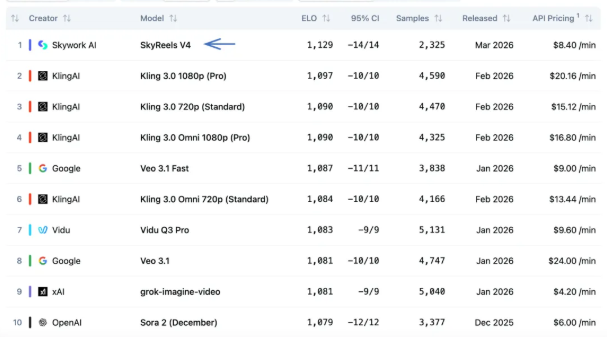
Kunlun Wanyi's SkyReels V4 has claimed the top spot in global text-to-video generation rankings, surpassing competitors like OpenAI's Sora2 and Google Veo3.1. The breakthrough comes from innovative reinforcement learning and logical reasoning capabilities that solve persistent video consistency issues. Now available via API, this technology promises to revolutionize industries from e-commerce to education with its advanced audiovisual generation.

March 19, 2026
AI Video GenerationChinese TechnologyMachine Learning