Li Auto CEO hails Nubia's 'Bean Bag Phone' as AI game-changer

Nubia's AI-Powered Smartphone Earns High Praise from Tech Leaders

As we step into 2026, the smartphone landscape is undergoing its most significant transformation in years. At the center of this shift sits Nubia's unconventional "Bean Bag Phone," which has caught the attention of none other than Li Xiang, the visionary CEO behind electric vehicle maker Li Auto.

Smart Interactions That Feel Like Magic

What makes this device special? Zhang Lei, ZTE Communications Vice President, puts it best: "Using this phone feels like experiencing autonomous driving for your digital life." Forget tapping and swiping - users can now handle complex tasks like shopping, travel planning and schedule management through simple voice commands.

This isn't just another smartphone with a virtual assistant tacked on. The Bean Bag Phone functions as a true AI interaction hub that actively anticipates user needs rather than waiting for instructions. Imagine your phone not just responding to "set an alarm" but proactively suggesting "Your morning meeting got moved up - shall I adjust your wake-up time?"

Serious Hardware For Serious AI

The technological wizardry comes courtesy of some impressive internals:

  • Processing Power: Qualcomm's cutting-edge Snapdragon 8 Gen 3 chip paired with generous 16GB RAM ensures smooth AI operation
  • Display & Battery: A vibrant 6.78-inch LTPO screen meets marathon-ready 6000mAh battery life
  • Camera System: Triple-lens 50MP setup gives the AI sharp "eyes" for visual tasks

The combination creates what might be the most capable platform yet for on-device artificial intelligence.

Why Industry Watchers Are Paying Attention

The Bean Bag Phone arrives at an interesting moment. Consumers increasingly expect their devices to work smarter, not harder. While other manufacturers have dabbled in AI features, Nubia appears to be pushing further toward creating what analysts call "context-aware computing" - technology that understands not just what you ask for, but why you might need it.

The real test will come when consumers get their hands on the device later this year. Will everyday users embrace this more proactive approach to smartphone assistance? If Li Xiang's enthusiasm proves justified, we might look back at 2026 as the year our phones stopped being tools and started being partners.

Key Points:

  • Li Auto CEO praises Nubia's innovative AI smartphone approach
  • Device offers autonomous-driving-like interaction experience
  • Flagship specs support advanced on-device artificial intelligence
  • Could represent shift toward context-aware mobile computing
Enjoyed this article?

Subscribe to our newsletter for the latest AI news, product reviews, and project recommendations delivered to your inbox weekly.

Weekly digestFree foreverUnsubscribe anytime

Related Articles

Tiny island's .ai domains fuel AI boom and government coffers
News

Tiny island's .ai domains fuel AI boom and government coffers

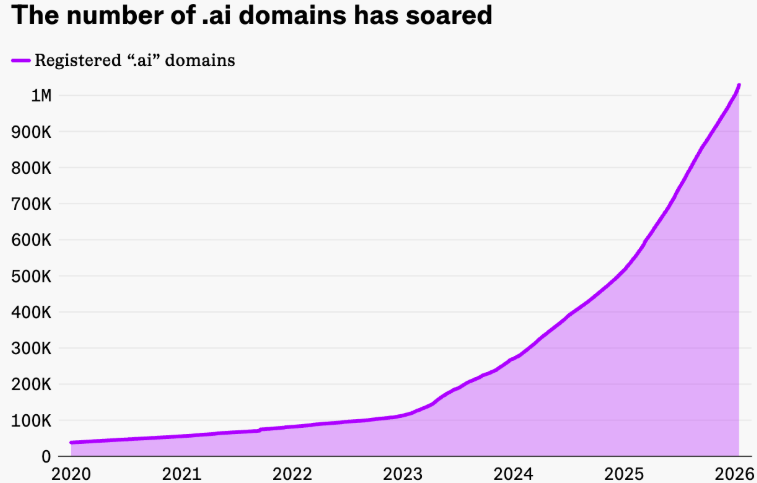
The Caribbean island of Anguilla, home to just 15,000 people, has struck digital gold with its .ai domain. Since the ChatGPT explosion, registrations have surged past 1 million, generating over $70 million annually - enough to cover half the government's budget. What began as a country code has become an unlikely economic lifeline in the AI revolution.

January 26, 2026
artificial intelligencedomain namesCaribbean economy
News

Musk's xAI Unveils Grok Imagine 1.0: Transforming Video Creation

Elon Musk's xAI has launched Grok Imagine 1.0, marking a significant leap in AI video generation. The tool now produces crisp 720p videos up to 10 seconds long with enhanced audio quality, already generating over a billion clips last month. This breakthrough stems partly from xAI's acquisition of video startup Hotshot last year. From individual creators to businesses, Grok Imagine is democratizing professional-quality video production.

February 2, 2026
xAIvideo generationartificial intelligence
Ling Guang's Latest Trick: Turn Photos Into Working Apps Instantly
News

Ling Guang's Latest Trick: Turn Photos Into Working Apps Instantly

Ant Group's Ling Guang assistant just got smarter. Its upgraded 'Flash App' feature now lets you snap a photo and transform it into a functional app - no coding needed. From student grade trackers to sales dashboards, your images become interactive tools in seconds. Plus, with nearly 20 new APIs added for sound effects, vibrations and AI conversations, creating personalized apps feels more like play than work.

February 2, 2026
AI assistantsno-code toolsmobile innovation
News

Rokid Teams Up With AI Leaders For Next-Gen Smart Glasses

Chinese tech firm Rokid is partnering with leading AI companies to develop groundbreaking smart glasses powered by generative AI. The new device will feature edge-side multimodal processing for seamless voice, vision and touch interactions. Currently selling 1,200 units daily, Rokid aims to redefine wearable tech with real-time translation, AR experiences and intelligent personal assistants.

February 2, 2026
wearable techartificial intelligencesmart glasses
Robots Get Smarter: Antlingbot's New AI Helps Machines Think Like Humans
News

Robots Get Smarter: Antlingbot's New AI Helps Machines Think Like Humans

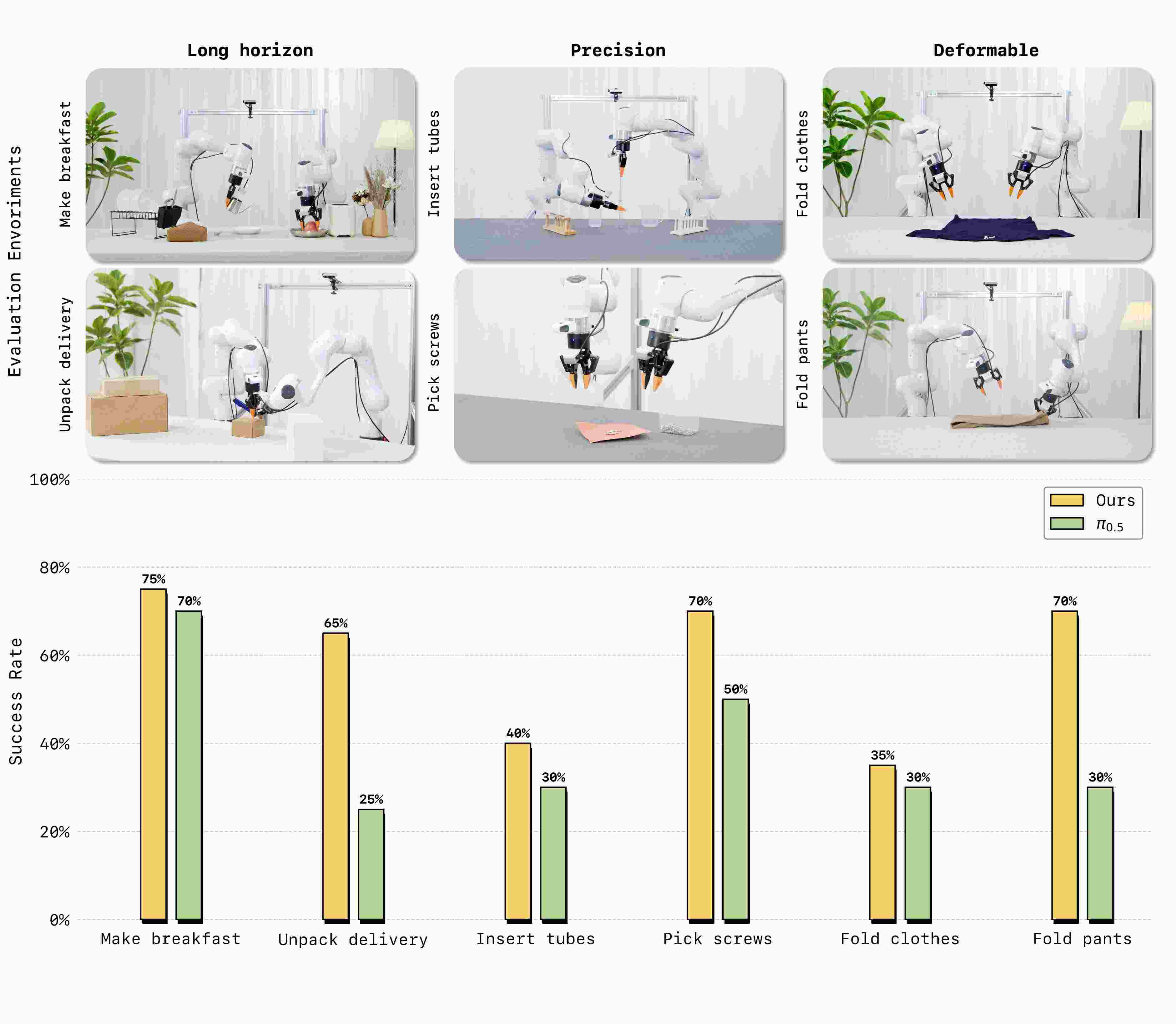
Antlingbot Technology has unveiled LingBot-VA, an open-source AI model that gives robots human-like decision-making abilities. This breakthrough combines video generation with robotic control, allowing machines to simulate actions before executing them. In tests, robots using LingBot-VA showed remarkable adaptability, outperforming existing systems in complex tasks like folding clothes and precise object manipulation. The technology could accelerate development of more capable service robots.

January 30, 2026
roboticsartificial intelligencemachine learning
News

Georgia Tech Researchers Debunk AI Doomsday Scenarios

A new study from Georgia Tech challenges popular fears about artificial intelligence wiping out humanity. Professor Milton Mueller argues that AI's development is shaped by social and political factors, not some inevitable technological destiny. The research highlights how physical limitations, legal frameworks, and the very nature of AI systems make sci-fi takeover scenarios highly improbable. Instead of worrying about robot overlords, we should focus on crafting smart policies to guide AI's development responsibly.

January 27, 2026
AI safetytechnology policyartificial intelligence