Li Auto Bets Big on Homegrown AI Chip Amid Financial Turbulence
Li Auto's Bold AI Gamble: Building Chips While Navigating Losses
The electric vehicle landscape witnessed contrasting signals from Li Auto this week. While their Q3 2025 financial report revealed sobering numbers - a 36.2% year-over-year revenue decline to 27.4 billion yuan and a net loss of 624.4 million yuan - executives painted an ambitious technological roadmap during their earnings call.
The Silicon Gambit
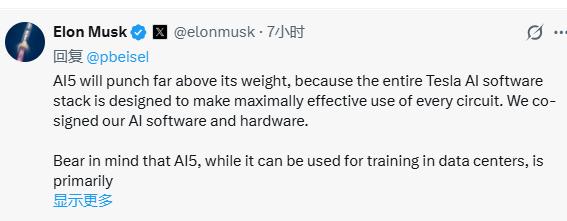
At the heart of Li Auto's strategy lies the M100, their self-developed AI inference chip currently undergoing large-scale system testing. "We're not just assembling cars anymore," CTO Xie Yan told analysts. "The M100 represents our vertical integration into silicon design - crucial for controlling our autonomous driving destiny."
The numbers suggest why they're betting big: preliminary tests indicate the M100 could deliver over three times the cost-performance ratio of existing high-end chips when paired with their proprietary compiler software. Production vehicles featuring this technology are expected as early as 2026.
Beyond Hardware
Li Auto isn't stopping at silicon. Their development pipeline includes:
- A new-generation VLA autonomous driving system optimized for the M100
- AI execution frameworks promising faster iteration cycles
- Platform architecture designed specifically for neural network acceleration
"This isn't incremental improvement," CEO Li Xiang emphasized. "We're redefining what vehicles can do - transforming them from transportation tools into intelligent partners that anticipate needs."
The ambitious tech investments come during challenging times financially, suggesting Li Auto views technological leadership as its path back to profitability.
Key Points:
- Financial Context: Q3 revenue fell to ¥27.4B (-36% YoY), net loss ¥624M vs profit last year
- Tech Breakthrough: M100 chip completes testing phase, targets commercial deployment in 2026
- Performance Claims: Promises 3x better cost-performance than current premium chips
- System Integration: Will power next-gen VLA autonomous driving platform