Kimi Takes Baidu to Task Over Misleading Search Results
Search Engine Controversy: When Official Sites Get Buried
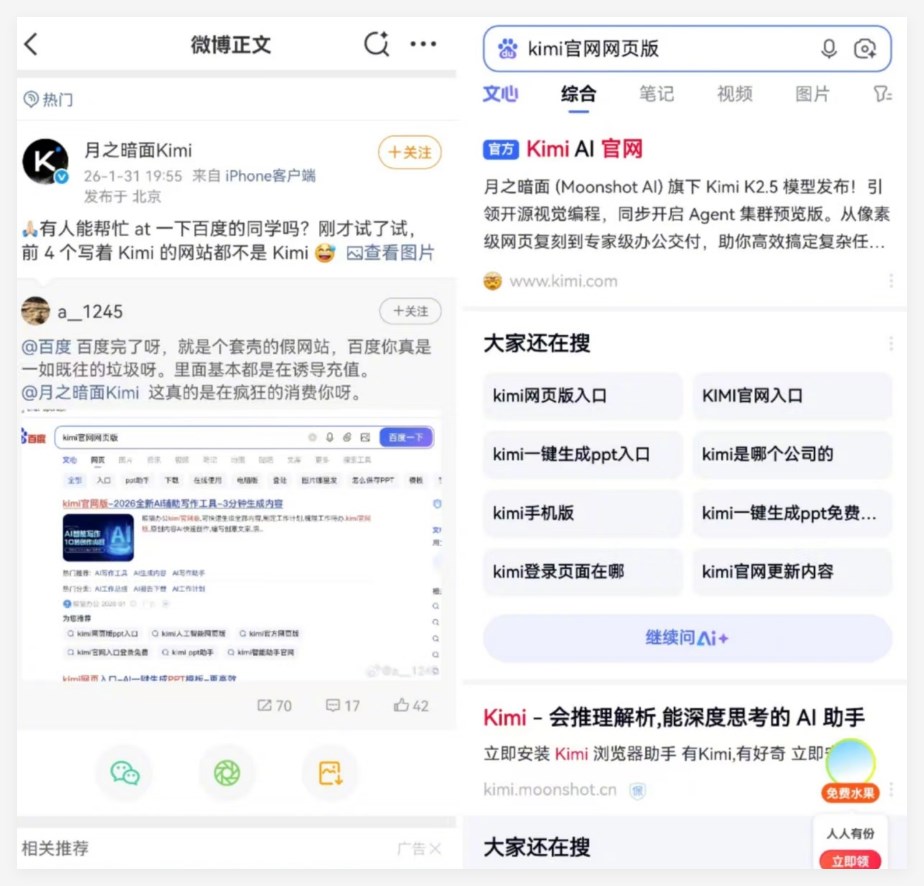
In a rare public spat between tech companies, Moonshot AI took to Weibo on January 31 to expose what it called "seriously misleading" search results on Baidu. The maker of Kimi Intelligent Assistant discovered that none of the top four results for "Kimi" actually led to their official platforms.
The Social Media Callout
The company's official Weibo account didn't mince words: "Can someone help @Baidu colleagues? I just tried, and none of the first four websites with 'Kimi' are Kimi." Accompanying screenshots showed multiple third-party ads masquerading as official links, complete with deceptive "Kimi official site" titles.
Swift Resolution Raises Questions
The controversy unfolded rapidly:
- Within hours, Baidu adjusted its algorithms to surface the correct website
- By morning searches for "Kimi official site" returned proper results
- Moonshot AI confirmed resolution before deleting all related posts
The abrupt deletion has left industry watchers curious. Neither company has commented further on what prompted the misleading results or why Moonshot scrubbed its successful complaint.
Bigger Than One Search Result?
This incident highlights ongoing concerns about:
- Search neutrality: How platforms balance paid placements with organic results
- Brand protection: Companies' ability to control their digital presence
- Consumer trust: Whether users can rely on basic search functionality
While quickly resolved, this public dispute between two tech heavyweights may have lasting implications for how China's internet ecosystem governs commercial search practices.
Key Points:
- Moonshot AI exposed misleading Baidu search results via Weibo post
- Top four "Kimi" searches initially directed to unofficial sites
- Baidu corrected rankings within hours of public criticism
- Both companies remain silent after post-deletion
- Incident renews debate about search engine transparency