Hyundai Bets Big on AI and Robots with $6.1 Billion Korean Hub

Hyundai's $6.1 Billion Gamble on AI and Robotics

South Korea's automotive titan Hyundai Motor Group is placing a massive bet on the future of technology. The company just announced plans to invest 9 trillion won ($6.1 billion) in building an ambitious innovation hub that will combine artificial intelligence, robotics, and hydrogen energy solutions under one roof.

The AI Powerhouse at the Core

At the heart of this sprawling complex in Gunsan City will be a staggering AI data center operation. Hyundai is allocating $4 billion - nearly two-thirds of the total investment - to install 50,000 high-performance GPUs. These chips will crunch through the enormous datasets required for autonomous driving systems and next-generation robotics applications.

"We're not just building infrastructure," explained Park Jae-hoon, Hyundai's vice chairman. "We're creating the digital brain that will power our entire smart mobility ecosystem." The facility is scheduled to break ground in 2027 with full operations expected by 2029.

Robots Rolling Off the Line

The project's second major component is a $277 million robotics manufacturing cluster that reads like science fiction coming to life. This state-of-the-art facility aims to produce 30,000 robots annually using Hyundai's proprietary assembly systems. The complex will house everything from parts suppliers to application development labs, realizing concepts first showcased at CES.

Green Energy Meets Smart Tech

Hyundai isn't stopping at silicon and steel. The innovation hub includes:

  • A $694 million hydrogen electrolysis plant
  • Over $9 billion in solar infrastructure
  • An experimental "AI hydrogen smart city" that could redefine urban energy use

These green initiatives complement the technological focus while addressing growing environmental concerns.

Economic Ripple Effects

The company estimates the Gunsan project will generate $11 billion in economic activity while creating approximately 71,000 jobs - a significant boost for regional development. More strategically, it positions South Korea as a serious contender in the global race for advanced manufacturing supremacy.

Key Points:

  • AI Supercenter: $4 billion data facility with 50,000 GPUs to drive autonomous tech
  • Robot Factory: Planned capacity of 30,000 units per year by 2029
  • Green Revolution: Hydrogen and solar projects merging with smart city concepts
  • Job Creation: Expected to employ over 70,000 workers when fully operational
Enjoyed this article?

Subscribe to our newsletter for the latest AI news, product reviews, and project recommendations delivered to your inbox weekly.

Weekly digestFree foreverUnsubscribe anytime

Related Articles

MiniMax posts $79M revenue in first year as public company
News

MiniMax posts $79M revenue in first year as public company

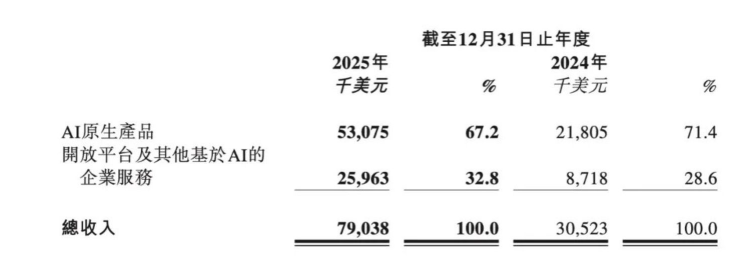
Chinese AI firm MiniMax has reported explosive growth in its first annual report since going public, with revenue jumping 159% to $79 million. While the company posted massive paper losses due to valuation changes, its core AI platform shows promising traction globally - especially with its cost-effective M2.5 model that's gaining ground against competitors. However, copyright lawsuits from Hollywood studios loom as potential risks for this rising AI star.

March 3, 2026
Artificial IntelligenceCorporate EarningsTech Startups
News

Claude's Turbulent Week: Server Crash Meets Political Firestorm

Anthropic's AI assistant Claude faced a perfect storm last week - servers buckling under unprecedented demand while caught in a political crossfire. The platform saw user numbers skyrocket just as former President Trump banned federal use, calling the company 'too woke.' Meanwhile, leaked documents reveal the military continues relying on Claude for sensitive operations, creating an ethical dilemma that pits national security against AI principles.

March 3, 2026
Artificial IntelligenceTech PolicyEthical AI
News

China's AI Models Surpass U.S. in Global Usage, Signaling Tech Shift

Chinese AI models have overtaken their U.S. counterparts in global API calls for the first time, capturing nearly 86% of usage on OpenRouter's platform. This milestone reflects China's growing influence in practical AI applications and cost-effective solutions that attract international developers. While analysts highlight promising sectors like AI chips and cloud computing, they also caution about market risks including data accuracy and competition.

March 3, 2026
Artificial IntelligenceTech CompetitionEmerging Markets
News

Alibaba's Qwen AI Models Dominate Global Rankings While Lunar New Year Usage Soars

Alibaba's Qwen series of AI models has taken the open-source world by storm, securing the top four spots on Hugging Face's global rankings. Meanwhile, consumer adoption skyrocketed during Lunar New Year celebrations, with daily active users jumping nearly tenfold. The models' ability to handle complex tasks through simple voice commands suggests AI assistants are moving beyond novelty status into practical everyday use.

March 2, 2026
Artificial IntelligenceAlibaba CloudOpen Source
A $70 Million Childhood Purchase: How AI.com Became the Ultimate Domain Jackpot
News

A $70 Million Childhood Purchase: How AI.com Became the Ultimate Domain Jackpot

The coveted AI.com domain just sold for a staggering $70 million, completing an extraordinary 32-year journey from a $100 childhood purchase to one of tech's most valuable digital assets. Malaysian investor Arsyan Ismail bought the domain in 1993 simply because it matched his initials, never imagining it would become ground zero for the AI revolution. This record-breaking sale underscores how premium domains have become strategic assets in the AI gold rush.

March 2, 2026
Domain InvestingArtificial IntelligenceTech History
News

MiniMax Goes Global: Overseas Revenue Soars While Losses Deepen

Chinese AI firm MiniMax made waves internationally in 2025, with overseas markets contributing over 70% of its $79 million revenue - a staggering 159% growth. However, aggressive expansion came at a cost, with losses ballooning to $1.87 billion due to heavy R&D investments in multimodal AI systems. The company now serves 236 million users across 200 countries, signaling China's growing influence in global AI markets.

March 2, 2026
AI ExpansionChinese TechArtificial Intelligence