Google's New Gemini Tool Takes the Grunt Work Out of AI Document Searches
Google's Gemini API Gets Smarter Document Handling
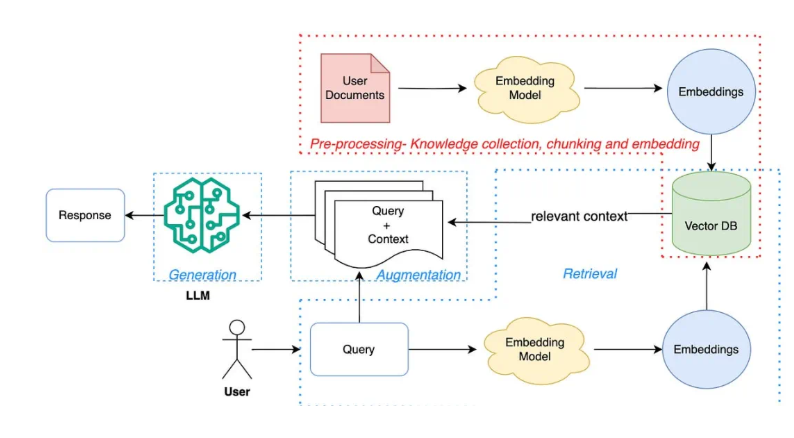
Developers working with private documents just got a major productivity boost. Google has rolled out its File Search Tool within the Gemini API, effectively removing the need for teams to build and maintain their own vector databases.
How It Works: Simplicity Meets Power
The magic lies in what Google isn't making you do anymore. Gone are the days of manually:
- Chopping up documents
- Generating embeddings
- Managing vector storage
Instead, developers can now feed various file formats directly into Gemini through a simple API call. The system intelligently processes everything behind the scenes using Google's own embedding model (gemini-embedding-001), which understands context rather than just keywords.
"This is particularly valuable for enterprises drowning in documentation," explains one tech lead we spoke to. "Imagine pointing your support chatbot at your entire knowledge base without months of prep work."
What Makes This Different?
Three standout features:
- Automatic citations: Every response includes references back to specific document sections - crucial for traceability in regulated industries.
- Broad format support: From PDFs to Python scripts, it digests most common file types.
- Smart chunking: The system preserves document context better than manual segmentation typically achieves.
The pricing model also breaks convention:
- First index creation: $0.15 per million tokens
- Subsequent queries: Free
This inverted structure suggests Google expects most value comes from initial processing rather than ongoing searches.
Real-World Impact
The implications extend beyond developer convenience:
- Internal knowledge systems: HR departments could instantly surface policy details without complex queries.
- Customer support: Agents get accurate answers pulled directly from updated manuals.
- Regulated industries: Financial services can maintain audit trails while automating research.
One early tester described it as "finally having ChatGPT that actually knows our business - and can prove where its answers came from."
The tool enters a competitive RAG (Retrieval-Augmented Generation) landscape but stands apart by eliminating infrastructure headaches. For organizations lacking ML specialists, this could democratize advanced document intelligence.
Key Points:
- No more vector DBs: Google handles all retrieval infrastructure
- Context-aware searches: Understands meaning beyond keywords
- Built-in transparency: Automatic citations show sources
- Enterprise-ready: Scales for large, frequently updated documents