Google Classroom's New Podcast Tool Turns Lessons Into Engaging Audio
Google Brings Podcast-Style Learning to Classrooms
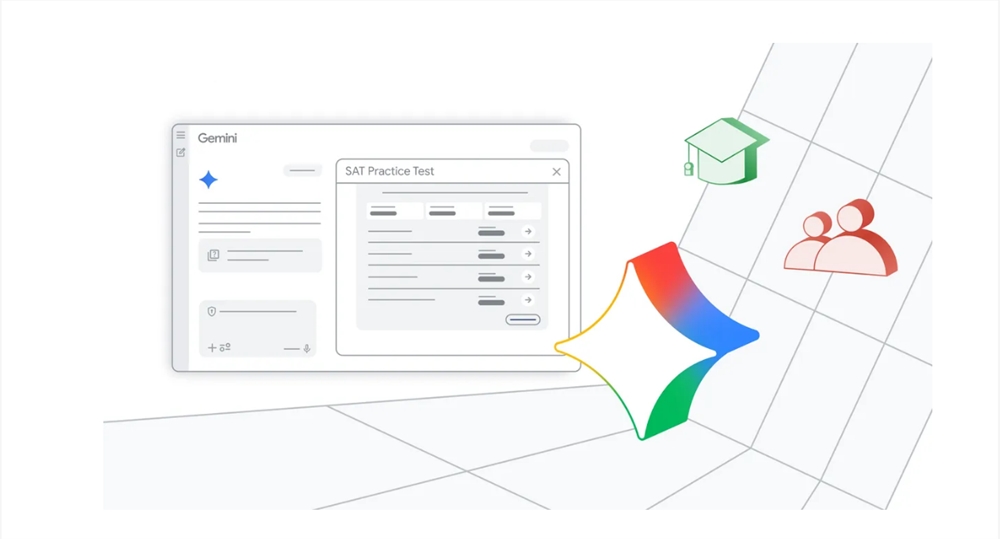
In a move that could revolutionize how students engage with course material, Google has integrated podcast creation tools directly into Google Classroom. The new feature leverages Gemini AI to help teachers quickly transform their lessons into professional-quality audio content.
How It Works
Teachers simply input their lesson topic or upload existing materials like PowerPoint slides or reading assignments. The system then:
- Generates conversational scripts that feel more like engaging podcasts than dry lectures
- Creates multi-voice productions with "host" and "guest" roles to simulate interviews or discussions
- Adds appropriate sound effects and pacing elements automatically
- Supports multiple languages, making it valuable for foreign language instruction
The finished podcasts can be shared directly through Google Classroom, letting students learn during commutes, workouts, or other times when reading isn't practical.
Why Audio Matters for Today's Students
The decision to focus on podcast-style content comes from clear generational trends. Research shows that 18-24 year olds are driving much of podcasting's recent growth, preferring audio formats for learning new information.
"Our students already listen to podcasts recreationally," explains Sarah Chen, a high school history teacher who tested the tool. "When we presented Renaissance art history as a professionally produced podcast instead of assigned readings, engagement nearly doubled."
The benefits extend beyond simple preference:
- Audio requires less cognitive effort than reading dense texts
- The conversational format helps maintain attention longer
- Students can revisit complex concepts by rewinding key sections
Lowering Barriers for Teachers
The tool aims to make high-quality educational content creation accessible regardless of technical skills or budget constraints. Teachers without audio production experience can now generate polished podcasts in minutes rather than hours.
All generated content remains under the teacher's control - they can edit scripts, adjust voices, or remove sections as needed before sharing with students.
What's Next?
Google hints at expanding the functionality:
"We're exploring ways students might use these tools too," says product lead Mark Davis. "Imagine turning research projects into investigative podcasts or book reports into audio documentaries."
The company sees this as part of AI's evolving role in education - shifting from simple question answering toward collaborative content creation.
Key Points:
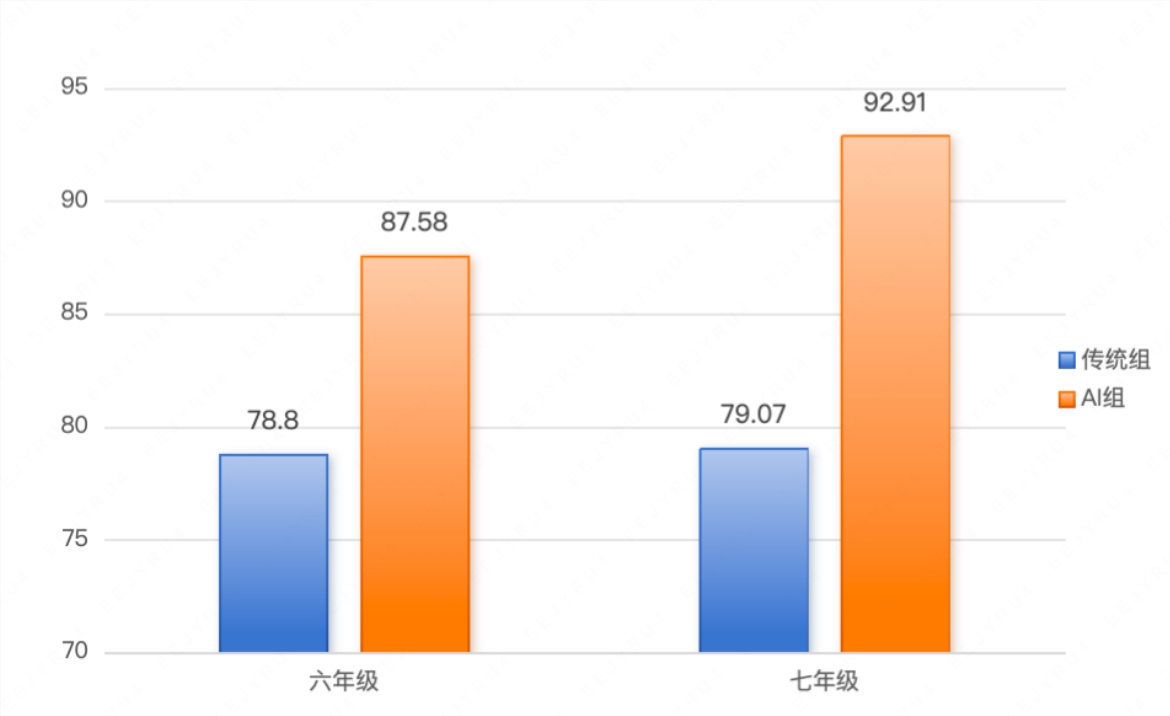
- Engagement boost: Early tests show podcast lessons achieve significantly higher completion rates than traditional materials
- Multilingual support: Content can be generated in English, Spanish, Chinese and other languages
- Ownership maintained: Teachers retain full rights to all generated audio content
- Future potential: Student-facing tools may follow soon