
French AI Startup Mistral Secures $830M for NVIDIA Chip Buying Spree

Europe's AI Ambition Takes Concrete Form with Mistral's Mega-Deal

In what analysts are calling Europe's most aggressive play yet in the artificial intelligence arms race, French startup Mistral AI has secured $830 million in debt financing specifically earmarked for purchasing 13,800 of NVIDIA's most advanced chips. The move represents more than just another funding round - it's a statement of intent from a continent determined to carve out its space in the AI revolution.

The Silicon Shopping List

The freshly acquired capital will immediately be put to work building what Mistral promises will be one of Europe's most powerful AI computing clusters. Located in Bruyeres-le-Chatel just outside Paris, the new data center is scheduled to come online by mid-2026.

"This isn't just about buying hardware," explains industry analyst Claire Dubois. "Each of those 13,800 NVIDIA GPUs represents processing power that could help European researchers and businesses develop competitive AI models without relying on American or Chinese infrastructure."

Banking on European Tech Sovereignty

The financing consortium includes seven major European banks, demonstrating strong institutional confidence in Mistral's vision. Their bet? That Europe can nurture homegrown AI champions capable of competing with Silicon Valley giants and Beijing-backed firms.

Mistral's valuation tells its own story - skyrocketing to $14 billion since its founding, the company has evolved from a scrappy startup to what many now call "Europe's OpenAI." But unlike its American counterpart, Mistral faces the additional challenge of operating in a market fragmented by national borders and regulations.

The Global Context

The timing couldn't be more significant. With US and Chinese firms controlling an estimated 80% of global AI infrastructure capacity according to recent studies, European policymakers have grown increasingly vocal about "digital sovereignty" concerns.

"We're witnessing Europe's first serious counterpunch in the AI hardware arena," notes tech journalist Markus Weber. "While $830 million might seem modest compared to some US investments, it represents a strategic shift - European investors are finally putting serious money behind European AI ambitions."

Key Points:

  • Record Investment: $830 million debt financing secured for NVIDIA chip purchases
  • Infrastructure Scale: 13,800 GPUs destined for new Paris-area data center
  • Strategic Timing: Comes as EU pushes for greater tech independence
  • Valuation Growth: Mistral now worth $14 billion amid rapid expansion
  • Operational Timeline: New computing cluster expected mid-2026
Enjoyed this article?

Subscribe to our newsletter for the latest AI news, product reviews, and project recommendations delivered to your inbox weekly.

Weekly digestFree foreverUnsubscribe anytime

Related Articles

News

Microsoft and OpenAI Join Forces in Texas AI Power Play

Microsoft has taken over a major AI data center project in Abilene, Texas, originally planned by OpenAI. The expanded facility will feature 10 data center buildings with a combined computing power of 2.1 gigawatts, marking a significant milestone in AI infrastructure development. This strategic move brings the two tech giants closer physically while OpenAI shifts to a more distributed national approach for its computing resources.

March 30, 2026
AI InfrastructureMicrosoftData Centers
News

Google Bets Billions on AI Power Play with Anthropic

In a move that highlights the growing importance of computing power in the AI arms race, Google is reportedly finalizing a multi-billion dollar deal to finance data centers for Anthropic, OpenAI's main competitor. This strategic partnership not only provides financial backing for Anthropic's expensive model training but also deepens Google's foothold in the AI ecosystem through cloud service integration. The deal signals how tech giants are leveraging their infrastructure advantage to secure positions in the rapidly evolving AI landscape.

March 30, 2026
AI InfrastructureTech PartnershipsCloud Computing
News

OpenAI Wins Appeal: Italian Court Overturns €15 Million Privacy Fine

In a significant legal victory, OpenAI has successfully appealed a €15 million fine imposed by Italian regulators over ChatGPT's data practices. The Rome court's decision lifts financial pressure from the AI developer while raising fresh questions about balancing innovation with privacy protections across Europe. While the full reasoning remains undisclosed, this reversal could influence ongoing AI regulation debates worldwide.

March 20, 2026
OpenAIAI RegulationPrivacy Laws
News

Microsoft-OpenAI Partnership Frays Over $50 Billion Amazon Cloud Deal

Microsoft is threatening legal action against OpenAI over its new $50 billion cloud partnership with Amazon, alleging it violates their exclusive agreement. The dispute centers on technical workarounds Amazon and OpenAI developed to bypass Microsoft's Azure requirements. This clash comes at a delicate time for OpenAI as it faces other legal challenges and prepares for a potential IPO. The outcome could reshape power dynamics in the AI industry's infrastructure wars.

March 18, 2026
MicrosoftOpenAIAmazon Web Services
News

MiniMax and Tencent Cloud Revolutionize AI Training with Million-Agent Sandbox

In a groundbreaking collaboration, AI innovator MiniMax and tech giant Tencent Cloud have successfully deployed a massive reinforcement learning sandbox capable of handling millions of AI agents simultaneously. This infrastructure breakthrough dramatically reduces training costs while improving efficiency, potentially accelerating the development of smarter AI systems. The partnership marks a significant step toward making large-scale agent training more accessible and cost-effective for the industry.

March 18, 2026
Artificial IntelligenceMachine LearningCloud Computing
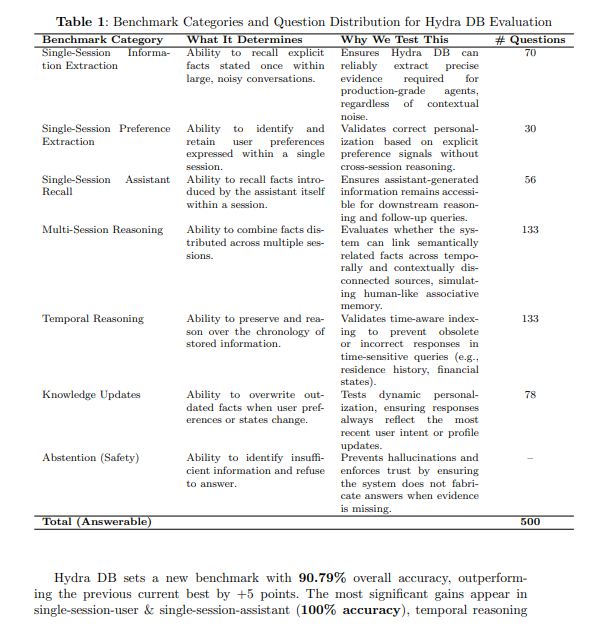
HydraDB Raises $6.5M to Reinvent AI Memory with Smarter Storage
News

HydraDB Raises $6.5M to Reinvent AI Memory with Smarter Storage

HydraDB has secured $6.5 million in funding to challenge traditional vector databases with its innovative approach to AI memory storage. Unlike current systems that struggle with relevance despite finding similarities, HydraDB introduces a relationship graph model inspired by human logic and Git-style versioning. This breakthrough could finally solve AI's persistent 'similar but wrong' problem, potentially transforming how assistants and knowledge systems remember information.

March 16, 2026
AI InfrastructureDatabase TechnologyMachine Learning