Firefox 150 Lands with AI-Powered Security Boost: 271 Vulnerabilities Patched

Firefox's AI Revolution: How Machine Learning Made Your Browser Safer
Image

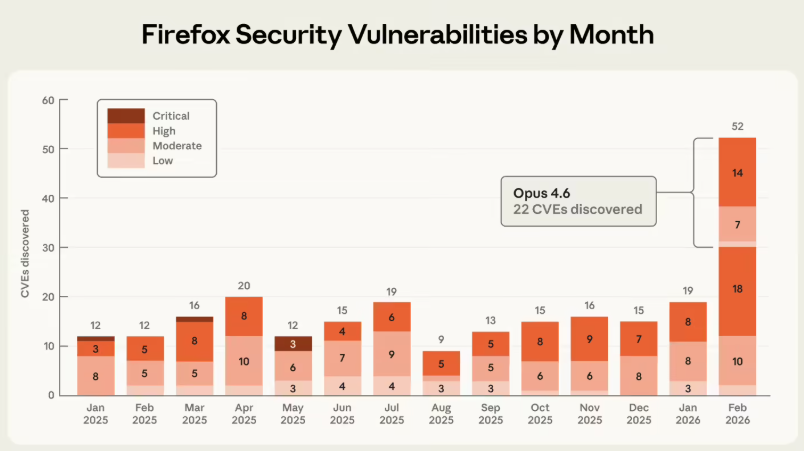
The release of Firefox 150 isn't just another version bump - it represents a fundamental shift in how browser security gets done. Mozilla's collaboration with Anthropic has yielded staggering results: their Mythos Preview AI model identified and helped patch 271 security vulnerabilities, a dramatic leap from the 22 found using previous methods.

From Manual Checks to Machine Learning

"We've entered uncharted territory," admits Bobby Holley, Mozilla's Chief Technology Officer. Traditional vulnerability hunting relied on painstaking fuzz testing and manual code review - methods that often missed subtle flaws. "It was like searching for needles in a haystack with limited time and flashlights," Holley explains. "Now we've essentially built a metal detector."

The AI doesn't just work faster; it spots patterns humans might overlook. Complex attack vectors that could have slipped through now get flagged during development. This comprehensive approach means Firefox users benefit from what Holley calls "security by depth" - multiple layers of protection rather than just perimeter defenses.

The Open-Source Dilemma

However, this technological breakthrough casts light on an uncomfortable truth in software development. While tech giants can deploy armies of engineers and cutting-edge AI tools, many critical open-source projects rely on volunteer maintainers juggling day jobs.

Raffi Krikorian, another Mozilla CTO, voices concern: "We're seeing a growing security divide. Organizations with resources will pull ahead, while smaller projects struggle to keep up." He points out the irony - corporate users often benefit most from these community-driven tools while contributing least to their maintenance.

Bridging the Gap

Mozilla isn't just patching its own browser; they're working to democratize these security advances:

  • Sharing detection methodologies with the open-source community
  • Developing tools that smaller teams can implement
  • Advocating for better funding models for critical infrastructure projects

"Security shouldn't be a privilege," Krikorian insists. "If we want a resilient internet ecosystem, we need to lift all boats."

Key Points:

  • AI-assisted security: Mythos Preview model identified 271 vulnerabilities in Firefox 150
  • Paradigm shift: Machine learning complements traditional methods for more thorough protection
  • Resource inequality: Mozilla warns of growing gap between well-funded and volunteer projects
  • Community focus: Sharing tools and knowledge to strengthen the broader open-source ecosystem

Enjoyed this article?

Subscribe to our newsletter for the latest AI news, product reviews, and project recommendations delivered to your inbox weekly.

Weekly digestFree foreverUnsubscribe anytime

Related Articles

Tencent Cloud's CubeSandbox: A Game-Changer for AI Agent Development
News

Tencent Cloud's CubeSandbox: A Game-Changer for AI Agent Development

Tencent Cloud has open-sourced CubeSandbox, a cutting-edge execution environment for AI agents that combines blistering speed with ironclad security. This innovative platform slashes startup times to under 60 milliseconds while maintaining hardware-level isolation - a first for open-source sandbox solutions. Developers can now migrate existing applications with minimal fuss, thanks to native E2B interface support. The lightweight design consumes just 5MB per instance, allowing thousands of sandboxes to run simultaneously on a single server.

April 22, 2026
AI DevelopmentCloud ComputingTencent
GitHub's New Darling: How Hermes Agent Stormed the AI Scene
News

GitHub's New Darling: How Hermes Agent Stormed the AI Scene

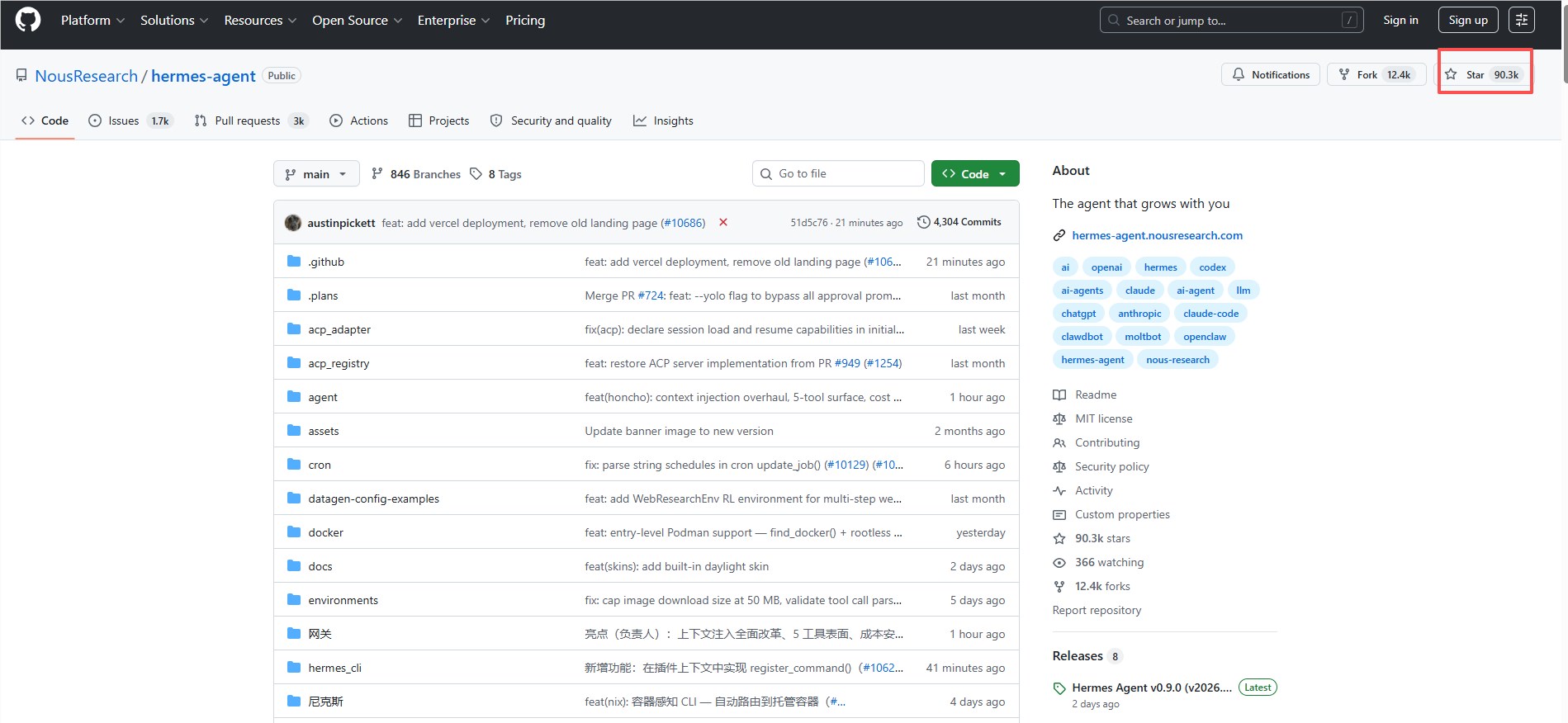
Hermes Agent, an innovative AI project from Nous Research, has taken the developer world by storm, amassing over 90,000 GitHub stars in record time. This 'lone wolf' of AI agents focuses on raw execution power and self-improvement, challenging established players like OpenClaw. Its ability to automatically document and evolve its skills is changing how we think about AI assistants.

April 16, 2026
AI DevelopmentOpen SourceGitHub Trends
OpenAI's New Tool Makes AI Agent Debugging a Breeze
News

OpenAI's New Tool Makes AI Agent Debugging a Breeze

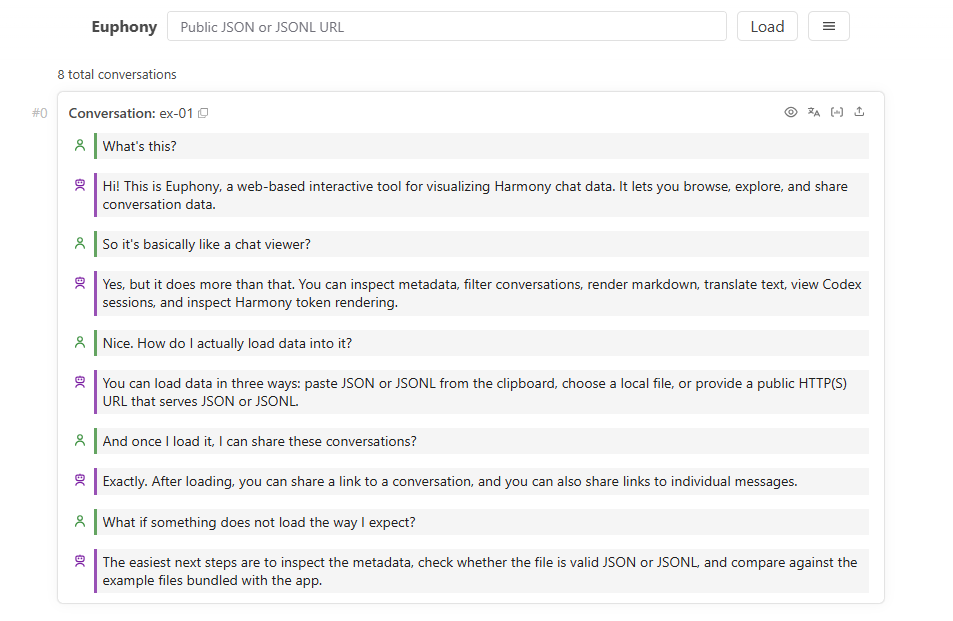
Debugging AI agents just got easier with OpenAI's new open-source visualization tool, Euphony. Designed to tackle the unique challenges of AI development, this browser-based tool transforms complex Harmony chat data and Codex session logs into clear, structured conversation views. With features like metadata inspection, filtering capabilities, and multiple operation modes, Euphony offers developers a powerful yet user-friendly way to understand and improve their AI systems.

April 22, 2026
AI DevelopmentOpenAIDebugging Tools
Claude Code Removal Sparks Developer Backlash Against Anthropic
News

Claude Code Removal Sparks Developer Backlash Against Anthropic

Anthropic has quietly removed its popular Claude Code tool from Pro subscriptions, angering developers who discovered the change without warning. The AI company claims this is just a small test affecting 2% of users, but the lack of transparency has eroded trust. With computing costs soaring, Anthropic faces tough choices balancing service quality against financial sustainability in the competitive AI market.

April 22, 2026
AnthropicAI DevelopmentSubscription Models
Google Throws Open Doors to Premium AI Tools for Free
News

Google Throws Open Doors to Premium AI Tools for Free

In a surprise move, Google has removed paywalls for its top-tier AI models in AI Studio. Pro and Ultra members can now access advanced tools like Gemini Pro without credit cards or API keys. This shift lowers barriers for developers and creators looking to experiment with cutting-edge AI technology.

April 21, 2026
Google AIAI DevelopmentMachine Learning
OpenAI's New Toolkit Makes AI Assistants Safer for Businesses
News

OpenAI's New Toolkit Makes AI Assistants Safer for Businesses

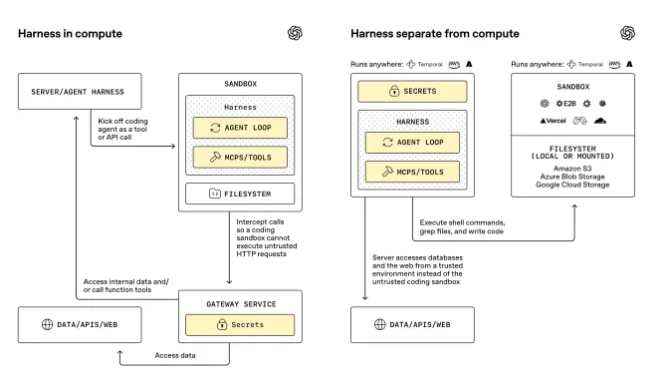
OpenAI has rolled out significant upgrades to its Agents SDK, giving developers better tools to create secure AI assistants. The standout feature is a sandbox environment that prevents unpredictable AI behavior from causing system-wide issues. Businesses can now test AI agents more safely while leveraging OpenAI's models. The update also introduces an integrated framework for smoother development, with Python support available now and TypeScript coming soon.

April 16, 2026
OpenAIAI DevelopmentEnterprise Technology