
Encyclopedia Britannica Takes OpenAI to Court Over Alleged Content Theft

Encyclopedia Britannica Files Lawsuit Against OpenAI Over Content Usage

The battle lines between traditional knowledge providers and artificial intelligence companies have been drawn more clearly this week. Encyclopedia Britannica, along with its Merriam-Webster subsidiary, has taken legal action against OpenAI, alleging the company used their copyrighted materials without permission to train its popular ChatGPT system.

The Core of the Dispute

According to court documents filed Friday, Britannica claims OpenAI illegally copied nearly 100,000 articles, encyclopedia entries, and dictionary definitions. "This isn't just about compensation," a Britannica spokesperson told reporters. "It's about protecting the integrity of carefully researched knowledge in an age where AI can replicate—but not always verify—information."

The lawsuit presents several striking examples where ChatGPT allegedly produced responses nearly identical to Britannica's proprietary content. In one instance, when asked about the causes of World War I, ChatGPT reportedly generated text that matched Britannica's entry with only minor wording changes.

What makes this case particularly interesting is Britannica's additional claim under the Lanham Act regarding trademark infringement. The publisher argues that ChatGPT sometimes fabricates facts (the infamous "AI hallucinations") while incorrectly attributing them to Britannica.

"When ChatGPT gets things wrong but says they came from us," explained Merriam-Webster's legal counsel, "it damages our reputation for accuracy while creating false associations in users' minds."

The Traffic Drain Dilemma

Publishers face another troubling reality in the AI era: technology that answers questions directly means fewer visitors to their websites. Why click through to an encyclopedia when ChatGPT summarizes everything right in the chat window? This "traffic drain" effect could undermine the business models of knowledge providers who rely on advertising or subscription revenue.

OpenAI isn't alone in facing these challenges. Across the industry, AI companies are grappling with similar lawsuits from authors, publishers, and media organizations. Just last year, Anthropic settled a $1.5 billion case involving pirated e-books used for model training.

Legal experts are watching closely as courts begin establishing precedents in this new frontier of intellectual property law. While some judges have recognized the "transformative" nature of AI training, unauthorized use of copyrighted materials remains illegal.

What's at Stake?

The outcome of this case could reshape how AI companies operate moving forward. For years, these firms have guarded their training data sources as closely held secrets. Now that traditional knowledge authorities are pushing back with lawsuits, we may finally get clearer answers about what constitutes fair use in the age of artificial intelligence.

Key Points:

  • Encyclopedia Britannica alleges OpenAI used 100k+ articles without permission
  • Lawsuit includes claims under both copyright and trademark law (Lanham Act)
  • Concerns raised about AI hallucination damaging publisher reputations
  • Case highlights "traffic drain" threat to traditional knowledge providers
  • Part of growing trend of legal challenges against AI training practices
Enjoyed this article?

Subscribe to our newsletter for the latest AI news, product reviews, and project recommendations delivered to your inbox weekly.

Weekly digestFree foreverUnsubscribe anytime

Related Articles

News

Encyclopedia Britannica Takes OpenAI to Court Over ChatGPT's Use of Content

Encyclopedia Britannica and Merriam-Webster have filed a lawsuit against OpenAI, alleging unauthorized use of their content to train ChatGPT. The publishers claim AI-generated summaries are diverting traffic from their websites. This landmark case could redefine copyright boundaries in the AI era.

March 17, 2026
AI copyrightOpenAI lawsuitChatGPT
News

OpenAI Wins Appeal: Italian Court Overturns €15 Million Privacy Fine

In a significant legal victory, OpenAI has successfully appealed a €15 million fine imposed by Italian regulators over ChatGPT's data practices. The Rome court's decision lifts financial pressure from the AI developer while raising fresh questions about balancing innovation with privacy protections across Europe. While the full reasoning remains undisclosed, this reversal could influence ongoing AI regulation debates worldwide.

March 20, 2026
OpenAIAI RegulationPrivacy Laws
News

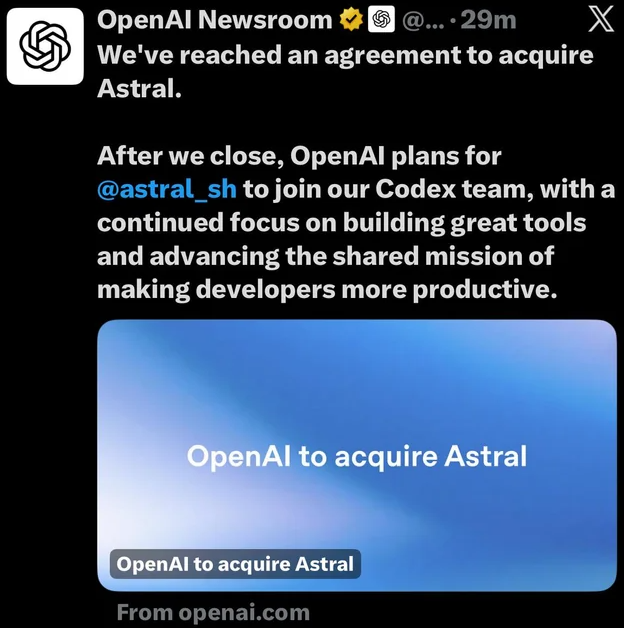
OpenAI Snaps Up Astral to Supercharge Its Coding Assistant

OpenAI has acquired developer tools startup Astral, marking its latest move in the intensifying battle for AI-powered programming dominance. The deal, announced March 19, brings Astral's team under OpenAI's wing to enhance the Codex coding assistant. While financial details remain undisclosed, the acquisition signals OpenAI's aggressive push to stay ahead of rivals like Anthropic and Cursor in the booming AI programming space. This comes amid a broader acquisition spree that's seen OpenAI expand into hardware, security, and healthcare sectors.

March 20, 2026
OpenAIAIProgrammingCodex
OpenAI Bolsters Codex with Astral Acquisition in Strategic Play
News

OpenAI Bolsters Codex with Astral Acquisition in Strategic Play

OpenAI has made another strategic move by acquiring developer tool startup Astral, known for its popular Python tools Ruff and uv. The acquisition aims to strengthen Codex, OpenAI's programming assistant that's seen user numbers triple this year. This comes as part of OpenAI's broader expansion strategy that's included several high-profile acquisitions across different tech sectors.

March 20, 2026
OpenAIAI DevelopmentTech Acquisitions
News

Microsoft-OpenAI Partnership Frays Over $50 Billion Amazon Cloud Deal

Microsoft is threatening legal action against OpenAI over its new $50 billion cloud partnership with Amazon, alleging it violates their exclusive agreement. The dispute centers on technical workarounds Amazon and OpenAI developed to bypass Microsoft's Azure requirements. This clash comes at a delicate time for OpenAI as it faces other legal challenges and prepares for a potential IPO. The outcome could reshape power dynamics in the AI industry's infrastructure wars.

March 18, 2026
MicrosoftOpenAIAmazon Web Services
News

Musk Pledges $134 Billion OpenAI Windfall to Charity

Elon Musk has vowed to donate every penny of a potential $134 billion legal payout from his lawsuit against OpenAI to charitable causes. The Tesla CEO made the announcement on X, framing it as a principled stand against what he sees as OpenAI's betrayal of its nonprofit roots. The high-stakes case, set for trial in April 2026, pits Musk against his former AI venture over allegations it abandoned its open-source mission for profit.

March 18, 2026
Elon MuskOpenAITech Lawsuits