Chicago Tribune Takes AI Search Engine to Court Over Content Scraping

Chicago Tribune Files Lawsuit Against Perplexity Over Content Use

The Chicago Tribune has escalated its battle against artificial intelligence companies, filing a federal lawsuit against Perplexity AI in New York. The newspaper accuses the search engine company of systematically scraping its content without authorization and circumventing paywalls to deliver protected journalism to users.

The Core Allegations

According to court documents, Tribune lawyers first raised concerns with Perplexity in mid-October. While the AI company claimed it didn't use Tribune articles as training data, it admitted that "some factual summaries may have occurred." The newspaper's legal team contends this response significantly understates the issue.
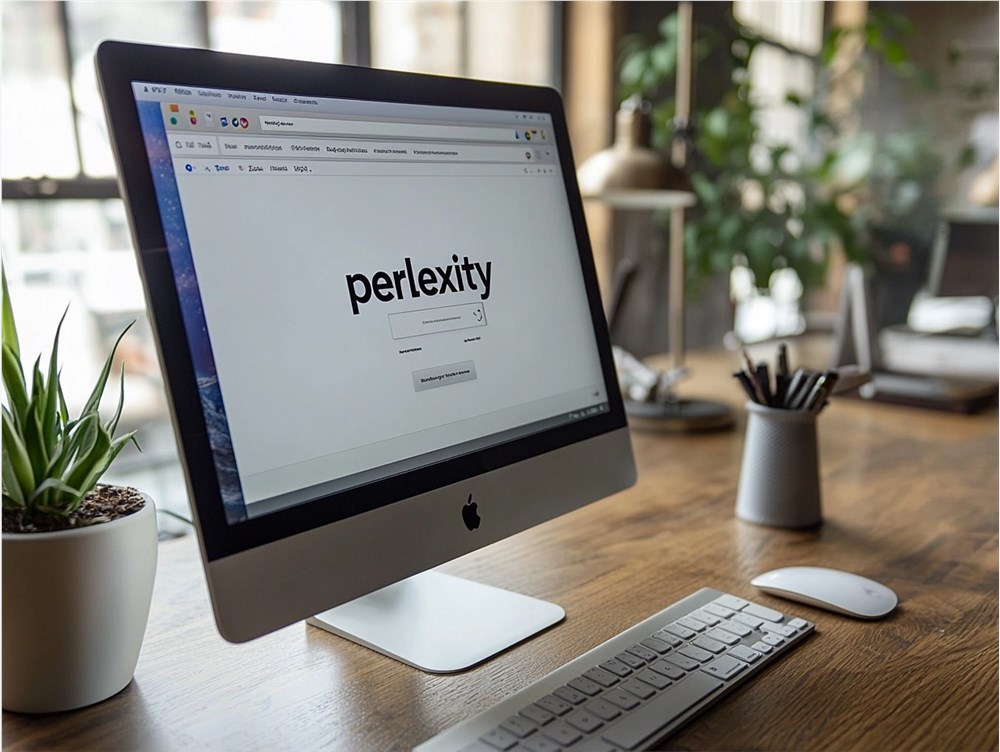
Image

"What we're seeing goes far beyond simple summarization," explained a source familiar with the case. "They're reproducing our reporting with such precision that it threatens both our business model and journalistic integrity."

Technology Under Scrutiny

The lawsuit specifically targets Perplexity's Retrieval-Augmented Generation (RAG) system. Designed to reduce AI bias by referencing verified sources, the technology appears to have incorporated Tribune content without permission. Additionally, the complaint highlights concerns about Perplexity's Comet browser allegedly bypassing paywalls to provide full article summaries.

This isn't the first time media companies have pushed back against AI firms. Earlier this year, MediaNews Group and Tribune Publishing—which collectively own 17 news organizations—filed similar complaints against OpenAI and Microsoft. Nine of these outlets had already initiated legal action last November.

Industry-Wide Implications

The case could set important precedents for how courts view AI search technologies within copyright law frameworks. As more publishers grow wary of having their content used without compensation, this lawsuit may inspire similar actions across the industry.

Perplexity hasn't yet responded publicly to the allegations or requests for comment from various media outlets. The company currently faces other legal challenges from Reddit and Dow Jones, while Amazon recently issued a cease-and-desist notice regarding Perplexity's shopping-related AI features.

Key Points:

  • Legal Action: Chicago Tribune sues Perplexity for unauthorized content use
  • Technology Focus: RAG system allegedly incorporates protected content without permission
  • Broader Trend: Part of growing media pushback against AI content practices
  • Potential Impact: Could influence how courts interpret copyright in AI context
Enjoyed this article?

Subscribe to our newsletter for the latest AI news, product reviews, and project recommendations delivered to your inbox weekly.

Weekly digestFree foreverUnsubscribe anytime

Related Articles

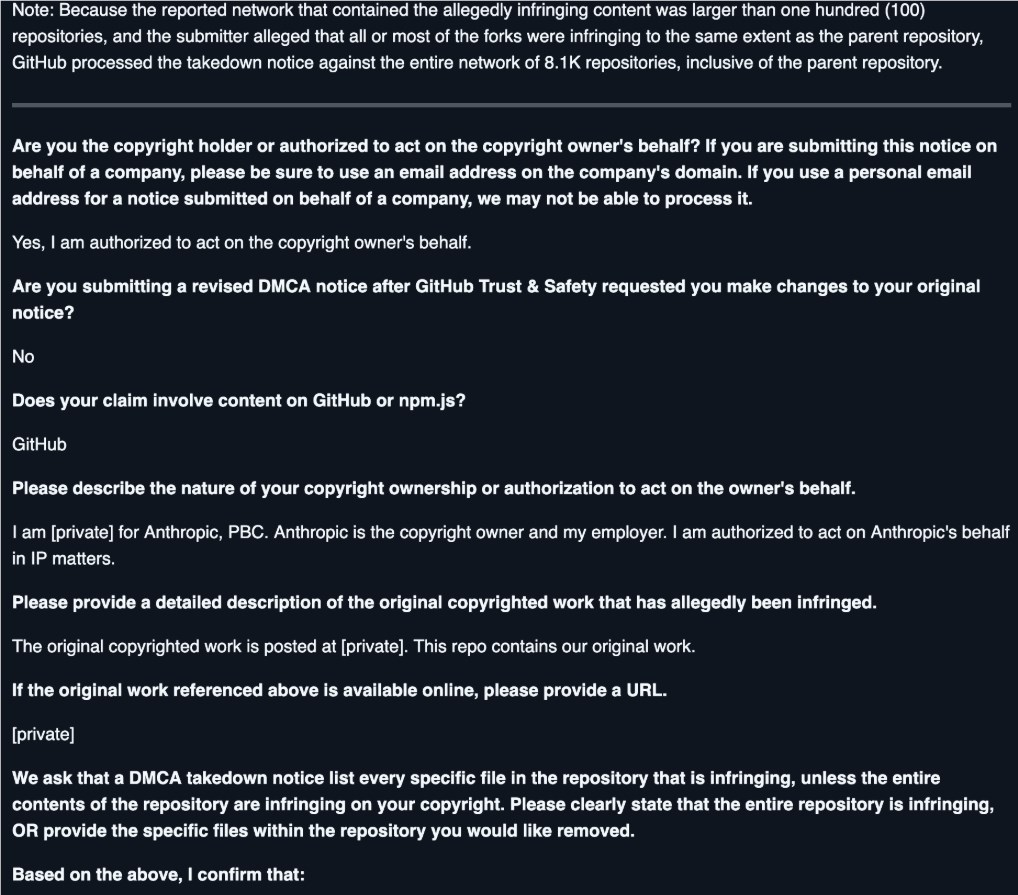
Anthropic's Copyright Clampdown: GitHub Removes 8,100 AI Code Repos
News

Anthropic's Copyright Clampdown: GitHub Removes 8,100 AI Code Repos

AI company Anthropic has launched a massive copyright enforcement action, triggering GitHub to remove over 8,100 repositories containing its Claude Code source. What began as a suspected employee error turned out to be a packaging tool bug that accidentally exposed sensitive files. While GitHub complied with the takedown, the code has already spread across developer communities worldwide.

April 1, 2026
AI copyrightGitHubcode leaks
News

Encyclopedia Britannica Takes OpenAI to Court Over ChatGPT's Use of Content

Encyclopedia Britannica and Merriam-Webster have filed a lawsuit against OpenAI, alleging unauthorized use of their content to train ChatGPT. The publishers claim AI-generated summaries are diverting traffic from their websites. This landmark case could redefine copyright boundaries in the AI era.

March 17, 2026
AI copyrightOpenAI lawsuitChatGPT
News

Authors Publish Blank Book in Bold Protest Against AI Copyright Violations

In an unprecedented act of defiance, nearly 10,000 authors including literary giants like Kazuo Ishiguro have published a completely blank book titled 'Don't Steal This Book.' This striking protest targets AI companies that use copyrighted works without permission for training their models. The symbolic empty pages represent what the future of literature could become if copyright protections aren't strengthened. The protest coincides with crucial UK copyright law reforms that currently favor AI companies over creators.

March 10, 2026
AI copyrightliterary protestintellectual property
ByteDance Tweaks AI Video Tool After Disney Copyright Clash
News

ByteDance Tweaks AI Video Tool After Disney Copyright Clash

ByteDance has updated its Seedance 2.0 video generation service following copyright complaints from Disney and others. The AI model faced backlash for creating unauthorized content featuring popular characters like Ultraman. Japan's AI minister warned of potential legal consequences, highlighting growing tensions between creative AI tools and intellectual property rights.

February 26, 2026
AI copyrightByteDancegenerative video
News

South Korean Broadcast Giants Take OpenAI to Court Over News Content

South Korea's top three TV networks—KBS, MBC, and SBS—have filed a landmark lawsuit against OpenAI, alleging unauthorized use of their news content to train AI models. This legal action shines a spotlight on growing tensions between media companies and tech giants over copyright protections in the AI era. The broadcasters claim OpenAI used decades of their reporting without permission or compensation.

February 24, 2026
AI copyrightOpenAI lawsuitmedia rights
News

Microsoft Pioneers AI Content Marketplace Amid Copyright Concerns

Microsoft has unveiled a groundbreaking solution to the escalating copyright disputes surrounding AI training data. Their new Publisher Content Marketplace creates a transparent licensing platform where publishers can legally share content with AI developers. Major players like Yahoo and Associated Press are already on board, signaling a shift from courtroom battles to collaborative partnerships in the AI ecosystem.

February 5, 2026
AI copyrightMicrosoft innovationcontent licensing