ByteDance Tweaks AI Video Tool After Disney Copyright Clash
ByteDance Adjusts AI Video Generator Amid Copyright Dispute
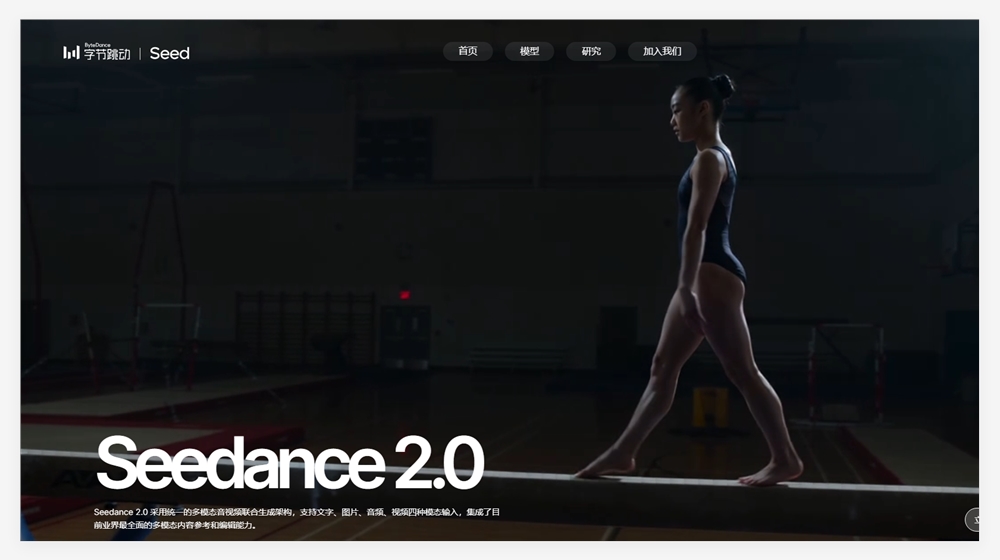
ByteDance's Japanese division announced service changes to its Seedance 2.0 video generation tool on February 26, responding to copyright concerns raised by major entertainment companies including Disney.
The Copyright Flashpoint
The controversy erupted when users discovered the AI could create videos featuring protected characters like Disney's Mickey Mouse and the Ultraman franchise without permission. Japan's AI Strategy Minister Kiyomi Onoda publicly called for corrective action, reminding users they could face legal consequences for copyright infringement.

Technological Power vs Legal Boundaries
Seedance 2.0 represents ByteDance's ambitious push into multimodal AI, combining text, images, audio and video inputs to create sophisticated content. But its impressive capabilities have landed the company in hot water. Disney sent a formal legal complaint earlier this month alleging unauthorized use of copyrighted material during the model's development.
"This isn't just about one company or one technology," says Tokyo-based intellectual property lawyer Haruto Tanaka. "We're seeing the first real test cases of how copyright law applies to generative AI at scale."
Industry-Wide Implications
The dispute underscores a fundamental challenge facing AI developers: how to balance creative potential with legal compliance. As models grow more powerful, their ability to mimic copyrighted material increases dramatically.
ByteDance's response suggests a growing recognition that content filters and compliance mechanisms need to move from afterthoughts to core product features. Other major players in the AI space are watching closely as they develop their own multimodal systems.
Key Points:
- Legal Pressure: Disney formally objected to alleged copyright violations in Seedance 2.0's training data
- Government Action: Japanese officials have warned about legal consequences for AI copyright infringement
- Technical Challenge: Advanced multimodal systems face unique compliance hurdles compared to text-only models
- Industry Impact: The case may accelerate investment in copyright protection systems across all generative AI platforms