Beijing Greenlights 15 New AI Services in Latest Tech Push

Beijing Expands AI Ecosystem with 15 New Registered Services

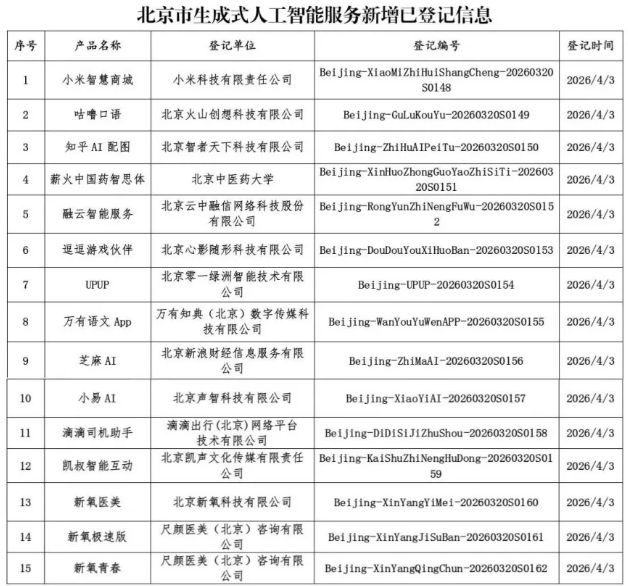
The Beijing Internet Information Office has taken a decisive step in shaping China's AI landscape by adding 15 generative AI services to its official registry. This development comes as part of the city's implementation of the "Interim Measures for the Administration of Generative AI Services," establishing clear rules for how these technologies can operate legally.
Image

What This Means for Tech Users

Starting April 3, 2026, these newly registered services can now operate openly within regulatory boundaries. For everyday users, this translates to:

  • More options when choosing AI-powered tools
  • Greater transparency about which services meet government standards
  • Clearer identification of AI-generated content

"The registration system creates a framework where innovation thrives within responsible boundaries," explains a tech policy analyst familiar with the regulations. "It's about giving people access to cutting-edge tools while maintaining necessary safeguards."

Transparency at the Core

The regulations introduce specific requirements for all registered services:

  1. Visible registration numbers must appear prominently on platforms
  2. Content labeling follows strict guidelines from the "Regulations on the Identification of AI-Generated Synthetic Content"
  3. API-based services using registered large models fall under the same oversight

This approach mirrors global trends in AI governance while adapting to China's specific digital ecosystem. Users will now encounter standardized markers indicating when they're interacting with machine-generated content.

Balancing Act: Innovation Meets Oversight

The move represents Beijing's latest effort to:

  • Encourage domestic AI development
  • Maintain control over rapidly evolving technologies
  • Build public trust in synthetic media

Industry observers note that while these measures add compliance steps for developers, they also provide clearer operating parameters compared to the previous uncertain environment.

As one Beijing-based startup founder put it: "Knowing exactly what's required helps us innovate with confidence rather than worrying about changing rules."

The approved services span various applications from creative tools to productivity assistants, though specific company names haven't been disclosed publicly.

Key Points:

  • 15 new generative AI services added to Beijing's registry as of April 2026
  • Mandatory content labeling ensures users can identify machine-generated material
  • Registration numbers must be visible, creating accountability for providers
  • Policy aims to foster trustworthy AI development while allowing technological progress
Enjoyed this article?

Subscribe to our newsletter for the latest AI news, product reviews, and project recommendations delivered to your inbox weekly.

Weekly digestFree foreverUnsubscribe anytime

Related Articles

News

AI Startup Sues Apple Over App Store Ban and $500K Revenue Hold

Artificial intelligence company Ex-Human has taken Apple to court, alleging unfair removal of its apps from the App Store without proper justification. The lawsuit claims Apple withheld about $500,000 in revenue while failing to provide specific evidence for the ban. The case highlights growing tensions between app developers and Apple's opaque review process, raising questions about potential anti-competitive behavior as Apple expands its own AI offerings.

April 3, 2026
App Store ControversyAI RegulationTech Lawsuits
News

OpenAI Wins Appeal: Italian Court Overturns €15 Million Privacy Fine

In a significant legal victory, OpenAI has successfully appealed a €15 million fine imposed by Italian regulators over ChatGPT's data practices. The Rome court's decision lifts financial pressure from the AI developer while raising fresh questions about balancing innovation with privacy protections across Europe. While the full reasoning remains undisclosed, this reversal could influence ongoing AI regulation debates worldwide.

March 20, 2026
OpenAIAI RegulationPrivacy Laws
Shanghai Registers 150 AI Models Amid Growing Tech Oversight
News

Shanghai Registers 150 AI Models Amid Growing Tech Oversight

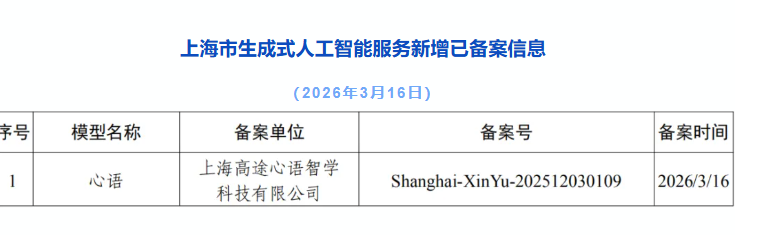
Shanghai's cyberspace authority has added another generative AI service to its registry this month, bringing the city's total to 150 approved models. The filings come as part of China's broader effort to regulate artificial intelligence while fostering innovation. Services must now clearly display their registration details and label AI-generated content.

March 16, 2026
AI RegulationGenerative AIChina Tech Policy
ComfyUI Simplifies AI Workflows with New App Mode
News

ComfyUI Simplifies AI Workflows with New App Mode

ComfyUI is revolutionizing generative AI workflows by introducing App Mode, App Builder, and ComfyHub. These features transform complex node graphs into user-friendly applications, making advanced AI technology accessible to everyone. Developers can now package their workflows as lightweight web apps, while ComfyHub serves as a growing ecosystem for sharing these creations.

March 12, 2026
GenerativeAIWorkflowToolsAIApplications
ChatGPT Leads Global AI Race While Regional Players Gain Ground
News

ChatGPT Leads Global AI Race While Regional Players Gain Ground

Silicon Valley VC firm a16z reveals ChatGPT remains the undisputed leader in consumer AI applications, with weekly users now topping 500 million. But the landscape is shifting - Gemini and Claude show explosive growth, while regional players like China's DeepSeek carve out local strongholds. The report highlights how cultural ecosystems are reshaping global AI competition.

March 11, 2026
AI TrendsChatGPTGenerativeAI
AI Talent Wars Heat Up After Alibaba Shakeup
News

AI Talent Wars Heat Up After Alibaba Shakeup

Alibaba's Tongyi Qianwen team undergoes major restructuring as key leader departs, sparking fierce competition among tech giants for top AI talent. DeepMind and Zhipu AI wasted no time courting former team members publicly. This scramble highlights how the battle for AI dominance has shifted from pure technology to securing the brightest minds.

March 5, 2026
AI TalentAlibabaGenerativeAI