Baidu Shuts Down Tizi AI After Just Six Months - What Happens Next?

Baidu Pulls Plug on Tizi AI After Short Six-Month Run

In a surprising move, Baidu has discontinued its standalone Tizi AI search application mere months after its high-profile launch. As of March 4, 2026, the app vanished from digital storefronts, leaving existing users scrambling to understand what this means for their favorite features.

Why Tizi AI Stood Out

Tizi carved its niche in China's crowded AI market by offering something refreshingly different:

  • No ads cluttering search results - a rarity in today's digital landscape
  • Deep integration with film and TV resources, allowing seamless "search while watching" functionality
  • Advanced "deep thinking" mode powered by cutting-edge models like DeepSeek

The app developed a loyal following among users tired of bloated interfaces and aggressive monetization prevalent elsewhere.

The Wenxin Transition Plan

Baidu insists this isn't goodbye - just relocation. All core functions are migrating to Wenxin App (formerly Wenxin Yiyan), the company's flagship AI platform. Officially, this consolidation aims to create "a more unified intelligent ecosystem."

Industry watchers see deeper strategy at play: "This reflects Baidu doubling down on Wenxin as their primary AI brand," notes Beijing-based tech analyst Li Wei. "Having multiple competing products diluted their position against rivals like Alibaba and Tencent."

User Concerns Remain

The big question: Will Wenxin preserve what made Tizi special? Early adopters particularly valued:

  • The minimalist design philosophy
  • Curated short video content
  • That magical "search while watching" feature

Baidu claims these will survive the transition intact. Skeptical users point out that corporate reshuffles often come with subtle but meaningful changes to product DNA.

The coming weeks will reveal whether Wenxin can truly become Tizi's spiritual successor or if something intangible got lost in translation during this corporate absorption.

Key Points:

  • Sudden shutdown: Tizi AI disappears six months post-launch
  • Feature migration: Core functions moving to Wenxin App
  • User favorites: Ad-free search and media integration were standout features
  • Industry context: Part of Baidu streamlining its AI offerings
Enjoyed this article?

Subscribe to our newsletter for the latest AI news, product reviews, and project recommendations delivered to your inbox weekly.

Weekly digestFree foreverUnsubscribe anytime

Related Articles

OpenClaw Makes Waves as Major AI Players Engage With New Social Presence
News

OpenClaw Makes Waves as Major AI Players Engage With New Social Presence

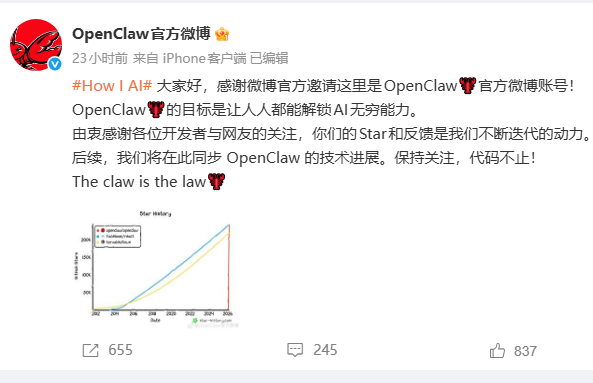
The open-source AI project OpenClaw has officially launched its Weibo account, sparking immediate engagement from China's leading large model developers. Within hours of its first post, companies like Zhipu, Qwen, Moonshot and NetEase Youdao joined the conversation. This comes as OpenClaw continues gaining momentum globally, recently making headlines at MWC2026 while pushing Chinese industrial AI into deeper business applications.

March 4, 2026
OpenClawAI DevelopmentChinese Tech
News

China's AI Boom: Over 1.4 Billion Monthly Users Reshape Digital Landscape

China's AI sector has reached staggering new heights, with monthly active users surpassing 1.4 billion according to QuestMobile's latest report. Mobile apps lead the charge with 722 million users, while hardware-integrated assistants and PC applications show strong growth. This explosive adoption signals AI's transition from experimental technology to everyday necessity across Chinese society.

March 3, 2026
AI AdoptionChinese TechGenerativeAI
News

Alibaba Consolidates AI Brands Under Qwen Banner

Alibaba has unified its AI offerings under the Qwen brand, signaling a strategic shift in its artificial intelligence ambitions. The move comes as Qwen models dominate global open-source rankings and its consumer app demonstrates explosive growth - processing nearly 200 million commands during Spring Festival while daily active users surged 940%. With new organizational structures like Tongyi Lab supporting innovation, Alibaba appears poised to strengthen its position in the competitive AI landscape.

March 2, 2026
AlibabaAI StrategyQwen
News

MiniMax Goes Global: Overseas Revenue Soars While Losses Deepen

Chinese AI firm MiniMax made waves internationally in 2025, with overseas markets contributing over 70% of its $79 million revenue - a staggering 159% growth. However, aggressive expansion came at a cost, with losses ballooning to $1.87 billion due to heavy R&D investments in multimodal AI systems. The company now serves 236 million users across 200 countries, signaling China's growing influence in global AI markets.

March 2, 2026
AI ExpansionChinese TechArtificial Intelligence
News

Galaxy General Secures 2.5 Billion Yuan Boost as National AI Fund Bets Big on Robots

Galaxy General, a frontrunner in embodied intelligence, has landed a massive 2.5 billion yuan investment round led by China's National Artificial Intelligence Industry Fund. The funding marks the state fund's first foray into humanoid robotics and includes heavyweight backers like Sinopec and SAIC Group. This landmark deal signals growing confidence that intelligent robots could be the next frontier in AI's evolution beyond screens and algorithms.

March 2, 2026
Embodied IntelligenceAI InvestmentHumanoid Robotics
Alibaba Streamlines AI Branding Under Unified Qwen Identity
News

Alibaba Streamlines AI Branding Under Unified Qwen Identity

Alibaba has consolidated its AI offerings under the Qwen brand, retiring previous names like Tongyi Qianwen. The move comes as Qwen models dominate global open-source rankings and its consumer app sees explosive growth - nearly 200 million voice commands during Spring Festival alone. This strategic unification strengthens Alibaba's position in both developer communities and mainstream AI adoption.

March 2, 2026
AlibabaAI StrategyQwen