

Baidu's Super Du Shi AI Assistant Gets Smarter Eyes and Ears
Baidu Takes AI Assistance Beyond Voice Commands
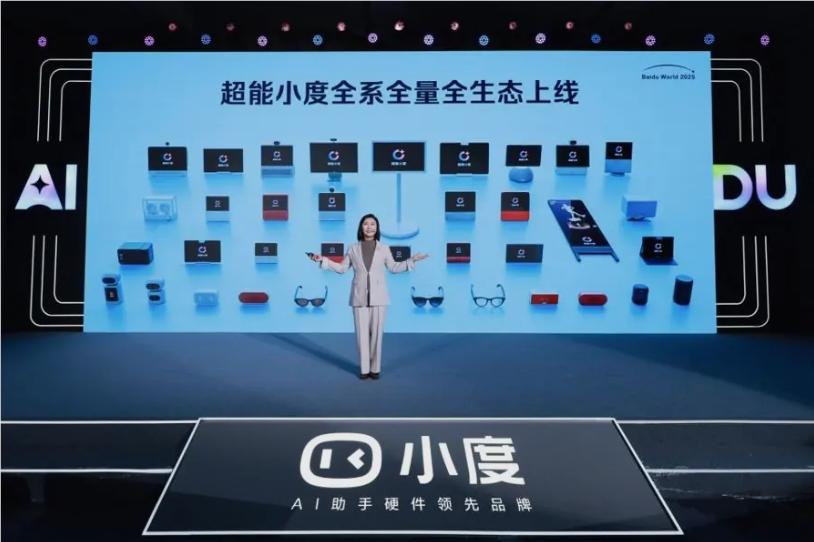
At this year's Baidu World Conference, the tech giant showcased how its Duer Technology division is redefining what we expect from digital assistants. The newly launched "Super Du Shi" isn't just another voice helper—it sees, understands contexts, and proactively solves problems.
Seeing Is Understanding
The breakthrough lies in multimodal integration. While most assistants rely solely on audio, Super Du Shi processes visual data alongside voice commands. Picture this: you're lugging groceries through a parking garage when suddenly you realize—where did I park? Instead of fumbling for your phone, just say "Help me remember" and your assistant snaps a photo of your spot automatically.
"We're moving from command-based interactions to environmental awareness," explained a Baidu spokesperson. The system doesn't just wait for instructions—it uses camera feeds to recognize when you might need help.
Smarter Home, Smarter Office
In work environments, Super Du Shi transforms meetings:
- Automated transcription with speaker identification
- Intelligent summarization highlighting action items
- Meeting quality analysis tracking engagement metrics
The newly announced Duer AI Glasses Pro take this further. Working with NetEase Cloud Music, they detect whether you're working out or relaxing to queue appropriate tunes—no playlist hunting required.
At home, the assistant shines brighter:
- AI monitoring gently reminds parents when kids start homework
- Visual search locates misplaced items by reviewing smart camera footage
- Contextual alerts notice when someone forgets to turn off appliances
Free Upgrades Rolling Out
The best news? Existing Duer device owners won't need new hardware. Software updates bringing these capabilities will deploy gradually across:
- Smart displays
- Home cameras
- Vehicle systems
- Wearable devices
Baidu expects most compatible devices to receive upgrades by Q1 2026.
Key Points
- Multimodal perception combines voice, vision and environmental data
- Proactive assistance anticipates needs rather than waiting for commands
- Workplace enhancements include automated meeting analytics
- Family features range from item location to activity monitoring
- Free upgrades preserve existing hardware investments