Apple's AI Teases China Launch Before Swift Disappearance
Brief Appearance Sparks Speculation
This week delivered a digital will-they-won't-they moment for Chinese tech enthusiasts. iPhone users across China suddenly found "Apple Intelligence" options blinking into existence in their device settings - only to vanish like morning mist within hours.
The unexpected cameo sent Weibo buzzing with screenshots and speculation. Was this the long-awaited debut of Apple's AI in China? 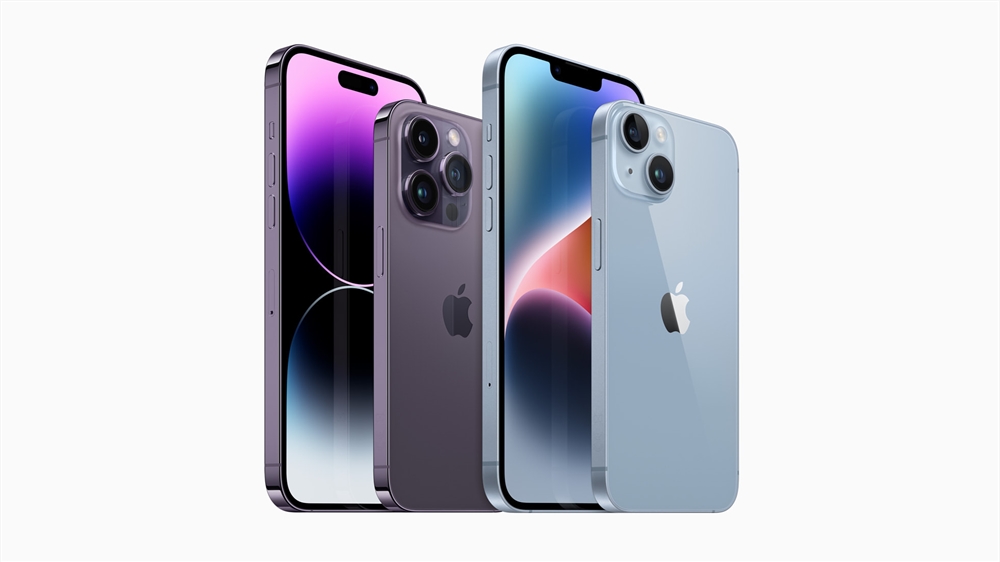
Apple quickly clarified the situation: "We're actively communicating with Chinese regulatory authorities," a company spokesperson told TechNode, adding they're committed to launching "as soon as possible." While not an official rollout, industry watchers see this as the clearest signal yet that internal testing has entered its final stretch.
Regulatory Tightrope Walk
Behind the scenes, Apple faces a formidable challenge: adapting its AI services to meet China's stringent data security regulations without compromising the seamless experience that defines its ecosystem.
"It's like rebuilding an engine while keeping the car running," says Beijing-based tech analyst Li Wei. Under Chinese law, generative AI services must complete security assessments and ensure all training data remains within national borders. This forces foreign companies into difficult choices - build local data centers or partner with domestic tech giants.
During his April visit to China, Tim Cook emphasized the market's importance while hinting at localization efforts: "China isn't just part of our supply chain; it's becoming integral to our innovation pipeline," he told state media.
What Users Can Expect
The brief settings appearance gave Chinese consumers a taste of features their global counterparts already enjoy:
- Siri 2.0: More natural conversations and contextual understanding
- Writing Assistant: System-level text refinement across apps
- Visual Intelligence: Smarter photo editing and object recognition
While mainland users currently need workarounds to access international versions, Apple's public commitment suggests these features may soon get official local variants. Market response has been cautiously optimistic - AAPL shares rose 1.2% on the Hong Kong exchange following Apple's statement.
Key Points:
- Regulatory Hurdles: China requires AI services to store data domestically and complete security assessments
- Localization Strategies: Apple may partner with Chinese tech firms or establish dedicated infrastructure
- User Impact: Successful launch would bring advanced AI features to China's massive iOS user base
- Market Significance: China represents both Apple's third-largest market and most complex regulatory environment for AI deployment