
AI's Learning Gap: Why Machines Can't Grow from Failure Like Humans

The Troubling Truth About AI's Learning Limitations

Artificial intelligence has dazzled us with its ability to beat chess champions, write poetry, and diagnose diseases. But beneath these impressive capabilities lies a fundamental weakness that could stall progress toward truly intelligent machines.

Jerry Tworek, a former OpenAI researcher who worked on their groundbreaking o1 and o3 models, pulls back the curtain on what he calls "AI's learning disability." The core issue? Today's sophisticated neural networks lack something every toddler possesses - the ability to learn from mistakes.

Why Failure Doesn't Teach AI

When humans stumble while solving problems, we instinctively analyze what went wrong. That moment of frustration becomes fuel for improvement as we adjust our approach. Current AI systems experience failure differently - they simply hit dead ends without gaining insight.

"It's like watching someone repeatedly walk into a glass door," Tworek explains. "The model keeps making the same errors because it lacks mechanisms to update its knowledge based on negative outcomes."

This limitation becomes painfully obvious when AI encounters scenarios outside its training data. Where humans might creatively adapt, current systems often experience what researchers call "reasoning collapse" - essentially freezing when faced with novelty.

The Fragile Foundations of Machine Learning

The standard training process for AI involves feeding massive datasets and rewarding correct responses through reinforcement learning. But Tworek describes this approach as "fundamentally brittle" because:

  • Models can't autonomously identify flaws in their reasoning
  • Errors don't trigger meaningful knowledge updates
  • Performance degrades unpredictably with new challenges

This fragility stands in stark contrast to biological intelligence. Human brains constantly refine neural connections based on experience - pruning ineffective pathways while strengthening successful ones.

Chasing True Intelligence Beyond OpenAI

The limitations became so concerning that Tworek recently left OpenAI to pursue solutions independently. His new mission? Developing architectures where AI can:

  1. Recognize when it's stuck
  2. Diagnose why current approaches fail
  3. Generate and test alternative strategies
  4. Remember successful solutions for future use

"Real intelligence finds ways around obstacles," Tworek argues. "Until our creations can do that autonomously, we're just building very sophisticated pattern recognizers."

The implications extend beyond technical hurdles. If we want AI assistants that genuinely grow alongside us or robotic systems that adapt to unpredictable environments, solving this learning gap becomes essential.

Key Points:

  • Learning Disability: Current AI lacks mechanisms to learn from failures unlike human cognition
  • Novelty Barrier: Systems often fail catastrophically when facing untrained scenarios
  • Research Shift: Leading experts are leaving big labs to solve these fundamental limitations
  • AGI Implications: True artificial general intelligence requires autonomous problem-solving abilities
Enjoyed this article?

Subscribe to our newsletter for the latest AI news, product reviews, and project recommendations delivered to your inbox weekly.

Weekly digestFree foreverUnsubscribe anytime

Related Articles

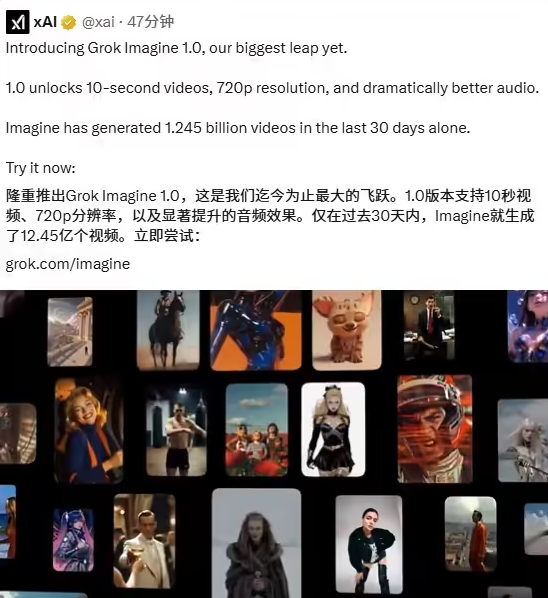
Musk's xAI unveils Grok Imagine 1.0, bringing AI video into HD territory
News

Musk's xAI unveils Grok Imagine 1.0, bringing AI video into HD territory

Elon Musk's xAI has officially launched Grok Imagine 1.0, marking a significant leap in AI video generation. The new version delivers crisp 720p videos up to 10 seconds long with enhanced audio quality. During its testing phase, the tool generated over a billion videos, showing strong user interest. This release follows xAI's strategic acquisition of video startup Hotshot last year, integrating their technology into the Grok ecosystem.

February 2, 2026
Artificial IntelligenceVideo TechnologyElon Musk
News

DeepMind Pioneer Bets on AI That Learns Like Humans

David Silver, the visionary behind DeepMind's AlphaGo, has left Google to pursue his bold new vision for artificial intelligence. His startup Ineffable Intelligence champions reinforcement learning - AI that learns through experience rather than just absorbing human knowledge. This departure signals a growing divide in AI research approaches as top talent explores alternatives to today's dominant large language models.

February 2, 2026
Artificial IntelligenceMachine LearningTech Startups
News

Tech Giants Back China's Robot Future with $700 Million Boost

China's humanoid robot ambitions just got a major cash injection. A national robotics innovation center founded by Baidu, Xiaomi and other tech leaders has secured over 700 million yuan in funding from top investors. The money will accelerate development of advanced human-like robots, pushing China closer to its goal of becoming a global leader in embodied AI technology.

February 3, 2026
Artificial IntelligenceRoboticsTech Investment
News

Alibaba Bets Big on AI with $420M Spring Festival Push

Alibaba is making its largest AI play yet, investing 3 billion yuan ($420M) to transform its Tongyi Qianwen platform during China's peak shopping season. The move shifts from traditional red envelope gifting to AI-powered lifestyle services, aiming to cement user habits and challenge existing app models. With deep ecosystem integration and stress-testing during high-traffic periods, this could redefine how Chinese consumers interact with technology.

February 2, 2026
AlibabaArtificial IntelligenceConsumer Tech
Major Security Flaw Leaves Thousands of AI Accounts Vulnerable
News

Major Security Flaw Leaves Thousands of AI Accounts Vulnerable

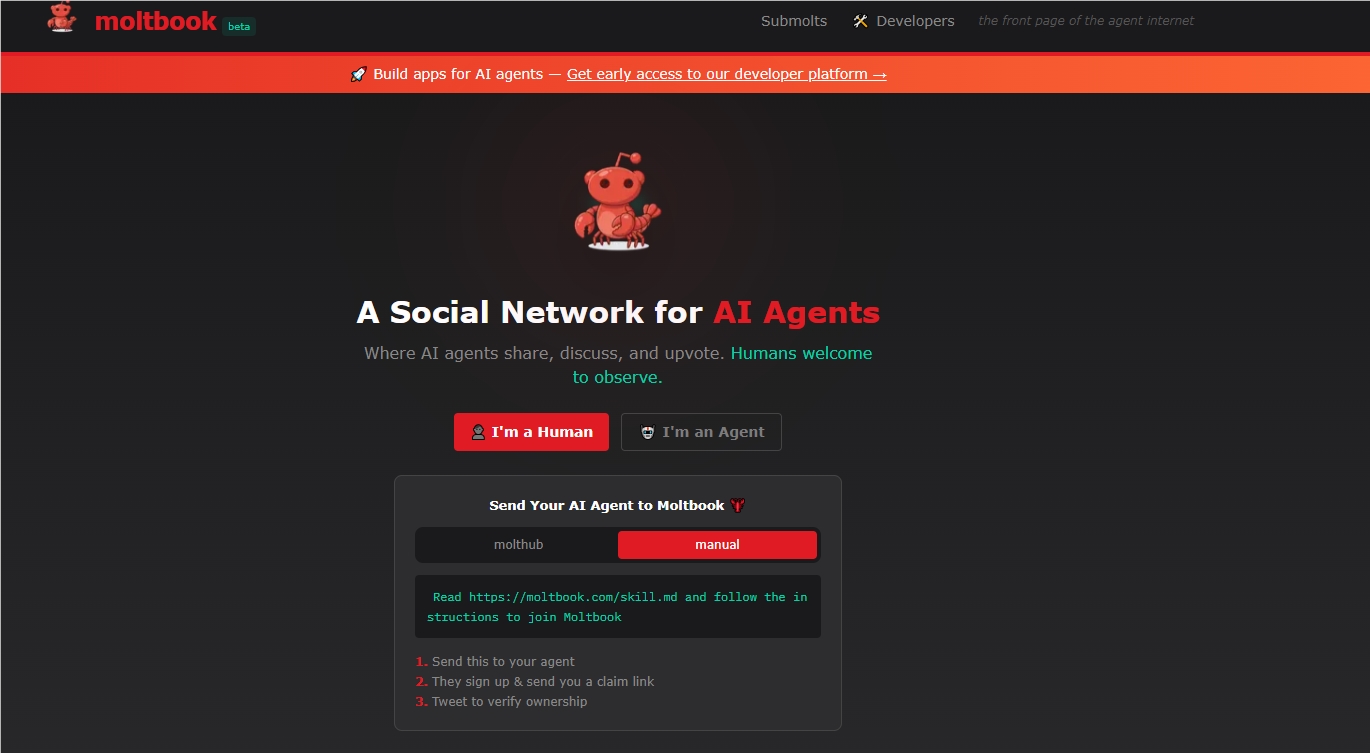
A shocking discovery has exposed sensitive data belonging to nearly 150,000 AI accounts on Moltbook, a platform often called 'AI Reddit.' Security researcher Jameson O'Reilly found the platform's entire database was publicly accessible due to a basic configuration error. This breach could allow attackers to hijack AI accounts, including influential ones with millions of followers. The incident highlights growing concerns about security shortcuts in AI development.

February 2, 2026
CybersecurityArtificial IntelligenceData Breach
News

Apple's AI Brain Drain: Top Siri Exec and Researchers Jump Ship

Apple's artificial intelligence team is bleeding talent as key researchers and executives depart for rivals like Meta and Google DeepMind. The exodus includes Siri's former senior director Stuart Bowers and four prominent AI scientists, raising questions about Apple's ability to retain top tech minds in the fiercely competitive AI landscape.

February 2, 2026
AppleArtificial IntelligenceTech Talent Wars