AI Music Blurs the Lines: Nearly All Listeners Can't Tell It's Not Human
The Invisible Rise of AI Music
Imagine listening to your favorite streaming service - could you tell if that catchy tune was crafted by human hands or artificial intelligence? According to a new international study, 97% of listeners can't.
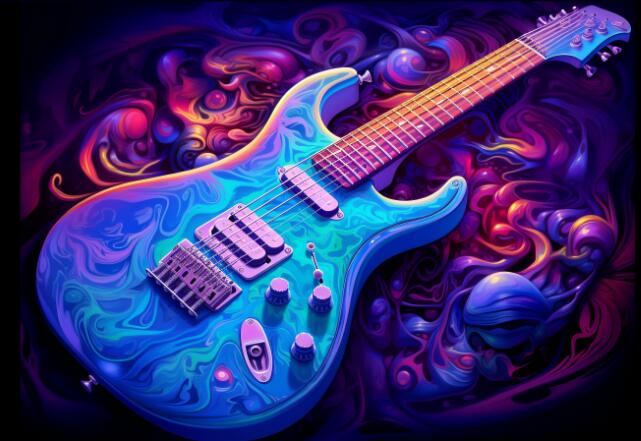
Image caption: Even album art is going synthetic - this cover was generated by Midjourney.
The Great AI Music Experiment
The eye-opening research comes from streaming giant Deezer and market research firm Ipsos, who surveyed 9,000 people across eight countries including the US, UK, Japan and Germany. Participants took blind listening tests with three tracks - some human-made, others AI-generated.
The results were striking:
- Only 3% consistently identified the artificial compositions correctly
- 71% expressed surprise at their inability to tell the difference
- Over half (52%) reported feeling unsettled by this revelation
"We're seeing a fundamental shift in how music gets created," notes Alexis Lanternier, Deezer's CEO. The platform currently adds about 50,000 fully AI-generated tracks daily - accounting for more than a third of all new uploads.
Public Demands Transparency
The study uncovered strong public sentiment for clearer labeling:
- 80% want explicit identification of fully AI-generated music
- 73% believe platforms should disclose when they're recommending synthetic tracks
- 65% oppose using copyrighted material to train AI models without permission
The concerns go beyond mere curiosity. Seven in ten respondents fear unchecked AI music could threaten musicians' careers - both established artists and future creators.
A Double-Edged Algorithm?
The findings reveal fascinating contradictions in how we view musical AI:
- Nearly half (46%) believe algorithms can help them discover more music they'll love
- Slightly more (51%) expect AI to play "an important role" in composition within ten years
- Yet 64% worry synthetic music might lead to declining creativity industry-wide
The paradox suggests listeners simultaneously embrace AI's convenience while fearing its consequences - much like early reactions to sampling or digital production decades ago.
Key Points:
🎵 97% failure rate: Almost no one could reliably spot AI-made music in blind tests 📢 Demand for labels: 4 in 5 listeners want clear identification of synthetic tracks 💼 Career concerns: Majority believe unchecked AI threatens musicians' livelihoods