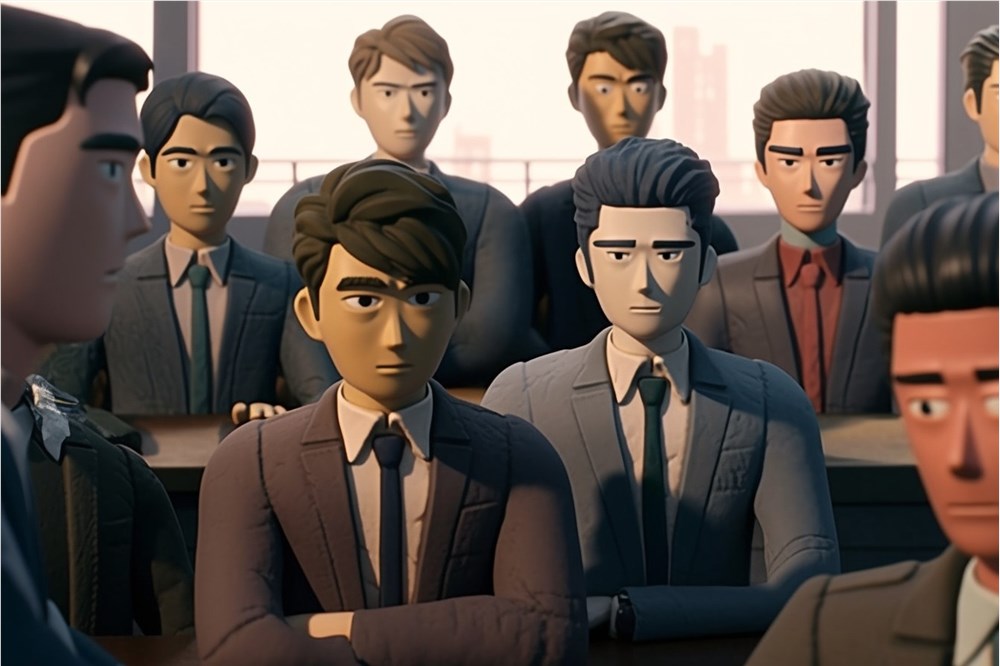
TikTok Bans 1,000+ AI Impersonation Accounts of Yu Donglai

TikTok Intensifies Crackdown on AI-Powered Impersonation
Image

Platform Takes Action Against Fraudulent Accounts

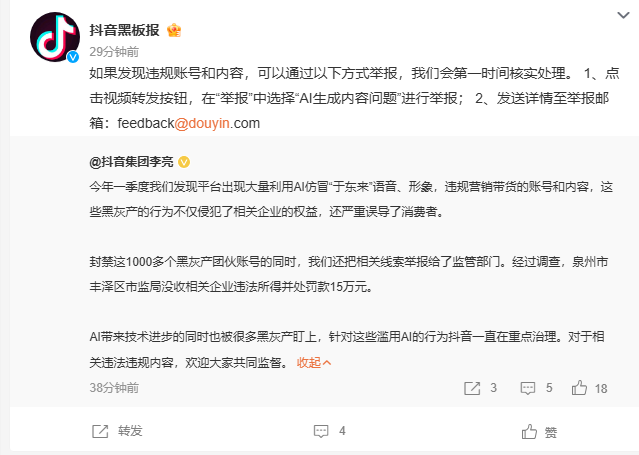
TikTok's Chinese counterpart Douyin has terminated more than 1,000 accounts that utilized artificial intelligence to replicate the likeness and voice of prominent businessman Yu Donglai. These accounts engaged in unauthorized marketing campaigns and product sales through live streaming channels.

The platform's security team identified these violations during Q1 2025, marking one of the largest coordinated actions against AI-powered impersonation to date. The banned accounts belonged to organized groups operating in the platform's "black and gray" marketing sector.

The Fenzhou District Market Supervision Bureau in Quanzhou has imposed ¥150,000 in fines against companies involved in the scheme after receiving evidence from Douyin. Authorities confiscated illegal profits gained through these deceptive practices.

"These operations didn't just violate intellectual property rights," explained a Douyin spokesperson. "They created consumer confusion and undermined trust in legitimate e-commerce activities on our platform."

Growing Challenge of Synthetic Media Abuse

This case represents a significant escalation in platforms' ongoing battle against:

  • Deepfake technology misuse
  • Synthetic voice replication
  • Unauthorized celebrity endorsements

The sophistication of these AI tools allows bad actors to create highly convincing replicas of public figures with minimal technical expertise. Industry analysts note detection systems must now analyze behavioral patterns rather than just visual artifacts.

Platform Commitment and User Vigilance

Douyin has pledged to:

  1. Expand its AI detection capabilities
  2. Increase coordination with regulators
  3. Shorten response times for violations

The platform encourages users to report suspicious accounts through its built-in reporting system. "Community oversight remains our first line of defense against emerging threats," the spokesperson added.

Key Points:

  • Over 1,000 banned accounts used AI clones of Yu Donglai
  • Fines totaling ¥150,000 issued to offending companies
  • Case highlights challenges policing synthetic media
  • Platform investing in advanced detection systems
  • Users urged to report suspicious activity
Enjoyed this article?

Subscribe to our newsletter for the latest AI news, product reviews, and project recommendations delivered to your inbox weekly.

Weekly digestFree foreverUnsubscribe anytime

Related Articles

NVIDIA's Jensen Huang Pushes Back Against AI Doomsday Talk
News

NVIDIA's Jensen Huang Pushes Back Against AI Doomsday Talk

NVIDIA CEO Jensen Huang is challenging the growing pessimism around AI, arguing that exaggerated doomsday scenarios are doing more harm than good. In a recent interview, Huang warned that fear-mongering about technology could stifle innovation and divert resources from making AI safer. While acknowledging legitimate concerns, he criticized competitors who push for excessive regulations while potentially having ulterior motives.

January 12, 2026
AI regulationJensen Huangtech industry trends
News

Indonesia and Malaysia Block Musk's Grok Over Deepfake Concerns

Indonesia and Malaysia have taken decisive action against Elon Musk's AI chatbot Grok, temporarily blocking access due to its unregulated image generation capabilities. Reports indicate users exploited these features to create harmful deepfakes, including non-consensual pornographic content involving real people and minors. While xAI has apologized and restricted the tool to paid subscribers, regulators worldwide remain skeptical about these measures' effectiveness.

January 12, 2026
AI regulationDeepfakesDigital ethics
News

Major Platforms Crack Down on AI-Altered Classics

China's top social media platforms have removed thousands of videos that used AI to modify classic literature and historical content in their first week of a nationwide cleanup campaign. WeChat, Douyin and Kuaishou each took down over 1,000 offending clips, while other platforms issued warnings and bans to repeat offenders.

January 9, 2026
AI regulationcontent moderationdigital culture
News

India Gives X Platform Ultimatum Over AI-Generated Explicit Content

India's government has issued a stern warning to Elon Musk's X platform, demanding immediate action against its AI chatbot Grok for generating inappropriate content. The platform faces a 72-hour deadline to implement safeguards against explicit AI-generated images, particularly those targeting women and minors. Failure to comply could strip X of its legal protections in one of the world's largest digital markets.

January 4, 2026
AI regulationcontent moderationdigital safety
China Tightens Rules on AI-Altered Classics Starting 2026
News

China Tightens Rules on AI-Altered Classics Starting 2026

China's media regulator announces a crackdown on AI-modified versions of classic novels and animations starting January 2026. The month-long campaign targets distorted adaptations that misrepresent cultural heritage or promote harmful content. Officials cite growing concerns about inappropriate AI recreations affecting young viewers' values.

December 31, 2025
AI regulationChinese classicscontent moderation
News

China's Digital Leap: HarmonyOS Hits 1.19B Devices Amid Tech Boom

As China wraps up its 14th Five-Year Plan, the country's tech sector shows remarkable progress. HarmonyOS now powers over 1.19 billion devices while AI innovation surges with 700 registered large models. Rural areas are catching up fast too - the urban-rural digital gap narrowed significantly, bringing better healthcare and e-commerce opportunities to the countryside.

December 26, 2025
China techHarmonyOSAI regulation