

Texas Bets Big on Hybrid Nuclear-Gas Plant to Power AI Boom
Texas Unveils Groundbreaking Power Solution for AI Energy Crunch
As artificial intelligence transforms industries, its insatiable appetite for electricity is rewriting the rules of energy infrastructure. In response, Texas - already home to sprawling data center complexes - is preparing to build what could become a blueprint for future power plants.
American energy firm Blue Energy has partnered with GE Vernova to develop a 2.5-gigawatt hybrid facility that marries the quick-start capabilities of natural gas with the steady reliability of nuclear power. The project arrives as tech giants scramble to secure electricity for their AI operations, with some data centers now consuming as much power as small cities.
Phased Approach Solves Nuclear's Achilles' Heel
Traditional nuclear projects often languish for years in regulatory and construction phases - a timeline that simply doesn't work for the breakneck pace of AI development. The Texas solution? A clever two-step rollout that delivers power immediately while building toward long-term sustainability.
"Think of it as getting the best of both worlds," explains project lead Maria Chen. "We'll have gas turbines pumping electrons into the grid within 18 months, then gradually introduce nuclear modules as they come online."
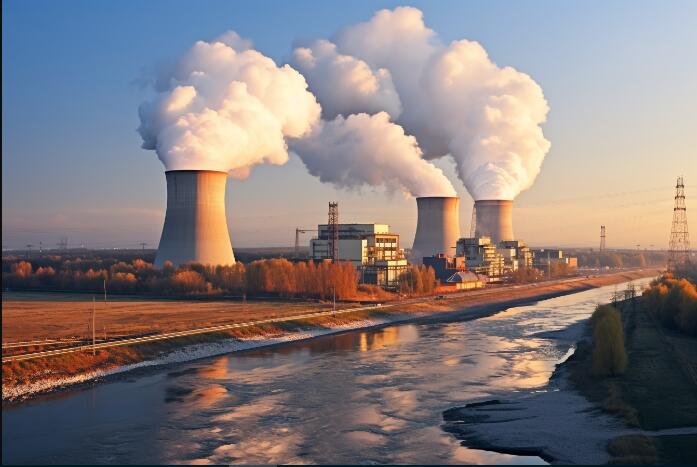
The initial phase will deploy two gas-fired units capable of generating 1 gigawatt combined. These will serve as both power suppliers and revenue generators while the nuclear components undergo licensing and construction. Eventually, the plant's steam system will transition from gas-fired heat to nuclear-powered steam generation.
Safety Meets Flexibility in Modular Design
At the heart of the nuclear component lies cutting-edge small modular reactor (SMR) technology. The design uses an innovative "integrated single pile system" that developers claim improves safety while dramatically reducing construction timelines.
"The passive cooling features alone are game-changers," notes energy analyst David Park. "By combining water-based cooling with steel containment structures, they're cutting nuclear plant construction time by over 90% compared to traditional designs."
Once fully operational, the plant will operate on a complementary model: nuclear reactors providing steady baseline power, with gas units standing ready to handle demand spikes. This dual approach could prove particularly valuable as Texas continues integrating intermittent renewable sources like wind and solar into its grid.
Key Points:
- Hybrid plant combines 1GW gas capacity with 1.5GW nuclear modules
- Phased construction addresses AI industry's urgent power needs
- Modular nuclear design cuts typical construction time by 93%
- Shared infrastructure reduces costs while maintaining flexibility
- Model could be replicated in other power-constrained tech hubs
As groundbreaking looms, energy watchers are eyeing whether this Texas experiment could redefine how the world powers its digital future. With AI's electricity demands projected to quadruple by 2030, such innovative solutions can't come soon enough.