SoftBank and Intel Unveil Energy-Saving AI Memory Chip

In a significant move for artificial intelligence infrastructure, SoftBank and Intel have announced their collaboration on developing an innovative memory chip specifically designed for AI applications. The new technology promises to slash power consumption by approximately 50% compared to existing solutions.
Image

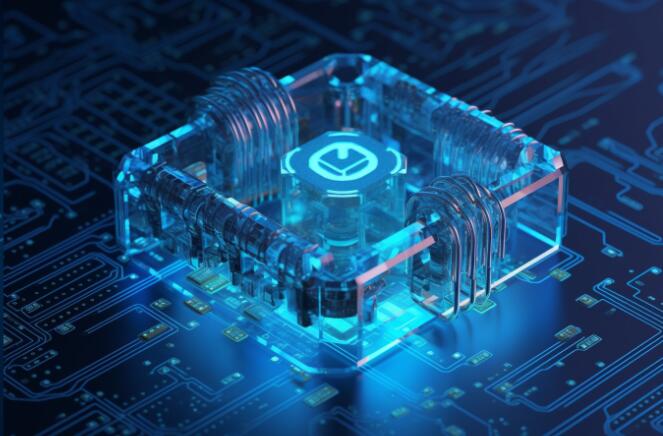
Image Source Note: Image generated by AI, licensed by MidJourney

The partners are designing a novel stacked DRAM chip with wiring architecture that differs fundamentally from current high-bandwidth memory (HBM) standards. This breakthrough could transform energy efficiency in data centers handling intensive AI workloads.

A newly established company called Saimemory will spearhead the project, focusing on chip design and intellectual property management while outsourcing manufacturing to specialized foundries. The ambitious timeline calls for prototype completion within two years, followed by mass production evaluation. Commercial availability is targeted for the late 2020s.

SoftBank leads the ¥10 billion (approximately $64 million) investment with a ¥3 billion commitment. The project has attracted interest from prominent research institutions including RIKEN and Kobe Precision Machinery, who may contribute both funding and technical expertise. Government support is also being sought to accelerate development.

The timing couldn't be better as global demand for AI computing power surges. Data centers face mounting pressure to improve performance while reducing environmental impact. SoftBank plans to deploy these chips in its own AI training facilities, potentially setting new benchmarks for sustainable operations.

What makes this development particularly noteworthy? Unlike incremental improvements, the partners aim for a fundamental redesign of memory architecture. Their approach addresses one of AI's most pressing challenges - the staggering energy requirements of modern machine learning systems.

Key Points

  1. Joint venture targets 50% reduction in memory power consumption for AI applications
  2. New stacked DRAM design breaks from conventional HBM architecture
  3. ¥10 billion project led by SoftBank with Intel's technical expertise
  4. Commercial deployment planned for late 2020s
  5. Potential game-changer for sustainable AI infrastructure
Enjoyed this article?

Subscribe to our newsletter for the latest AI news, product reviews, and project recommendations delivered to your inbox weekly.

Weekly digestFree foreverUnsubscribe anytime

Related Articles

News

Amazon gears up to challenge NVIDIA with its own AI chips

Amazon is making a bold move into the AI chip market, shifting from renting computing power to selling its own hardware directly. With its Trainium chips offering better value and strong demand already lining up, the tech giant is eyeing a $50 billion revenue opportunity. This strategic pivot could reshape the AI computing landscape and provide much-needed alternatives to NVIDIA's dominance.

April 10, 2026
AmazonAI chipsNVIDIA
Amazon Shifts Gears: From Cloud Giant to AI Chip Powerhouse
News

Amazon Shifts Gears: From Cloud Giant to AI Chip Powerhouse

Amazon is making a bold move into the competitive AI chip market, planning to sell its custom-designed processors externally rather than keeping them exclusively for internal cloud services. CEO Andy Jassy revealed in his shareholder letter that the company's chip division could potentially generate $50 billion annually as an independent business. With their Trainium AI chips already outperforming competitors in cost-effectiveness and the upcoming Trainium3 showing strong pre-launch demand, Amazon appears poised to challenge NVIDIA and Intel's dominance in the AI hardware space.

April 10, 2026
AmazonAI chipssemiconductors
News

Siemens and NVIDIA slash AI chip verification time from months to days

In a game-changing collaboration, Siemens and NVIDIA have dramatically accelerated AI chip verification. Their joint solution cuts what used to take months down to mere days, using Siemens' Veloce™ proFPGA system paired with NVIDIA's optimized architecture. This breakthrough means faster time-to-market for next-gen AI chips while reducing costly errors. It's a strategic win for both companies as they push the boundaries of AI hardware development.

April 10, 2026
AI chipssemiconductorshardware verification
AI Data Centers Heating Up Neighborhoods - Cambridge Study Warns of 9°C Spikes
News

AI Data Centers Heating Up Neighborhoods - Cambridge Study Warns of 9°C Spikes

Cambridge researchers found AI data centers create intense 'heat islands,' warming surrounding areas by up to 9.1°C. The effect stretches nearly 10 kilometers, impacting over 340 million people globally. While tech companies tout AI's benefits, this study reveals its hidden environmental cost - one that could worsen as data centers multiply worldwide.

April 7, 2026
AI impactClimate changeData centers
Microsoft's Superconductor Breakthrough Could Revolutionize Data Centers
News

Microsoft's Superconductor Breakthrough Could Revolutionize Data Centers

Microsoft is making waves with its high-temperature superconductivity technology that promises to transform how data centers handle power. By eliminating energy loss during transmission, these ultra-efficient cables could solve the growing power demands of AI infrastructure while reducing environmental impact. The tech giant has already begun real-world testing with partners, signaling a potential shift in how we power our digital future.

April 7, 2026
superconductorsMicrosoftdata centers
News

Samsung's Stunning Comeback: AI Chip Craze Fuels Record Profits

Samsung Electronics just posted its most profitable quarter ever, with operating profits skyrocketing over 800% year-over-year to $37.9 billion. The surge comes as AI data centers scramble for memory chips, driving prices up dramatically. After playing catch-up in high-bandwidth memory, Samsung is now closing the gap with rivals like SK Hynix in the race to supply NVIDIA and other AI hardware makers.

April 7, 2026
SamsungAI ChipsSemiconductors