Shanghai Records 83 Filed Generative AI Services

Shanghai Advances Generative AI Regulation with 83 Filed Services

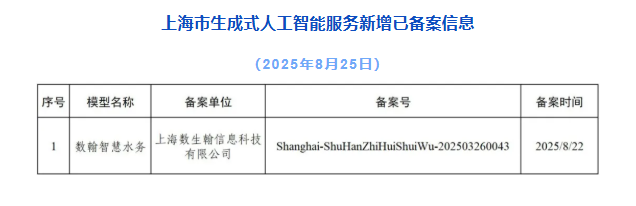
The Shanghai Internet Information Office has reported significant progress in its generative artificial intelligence service filing system, marking a milestone in the city's efforts to regulate and promote responsible AI development. As of August 25, 2025, the municipality has registered 83 generative AI services through its official filing process.
Image

Regulatory Framework Strengthens Transparency

Under new requirements implemented by the Shanghai Cyberspace Administration, all operational generative AI applications must now prominently display their filing information. This includes:

  • The specific model name used in the service
  • The official filing number issued by authorities
  • Clear technical specifications accessible to end-users

"This transparency initiative serves dual purposes," explained a government spokesperson. "It builds public trust in AI technologies while creating accountability mechanisms for developers."

Building an AI Development Hub

The filing system represents Shanghai's comprehensive strategy to position itself as China's premier AI innovation hub. Key aspects include:

  1. Standardized evaluation criteria for generative models
  2. Streamlined approval processes for compliant services
  3. Publicly accessible registry of authorized providers
  4. Ongoing monitoring of deployed systems

Industry analysts note the program has already attracted major tech firms seeking the credibility conferred by government certification.

Compliance Requirements for Developers

The regulations mandate that:

  • New services must complete filing before public launch
  • Existing platforms have 60 days to register post-implementation
  • All user interfaces must display certification badges linking to official records
  • Significant model updates require refiling procedures

"We're seeing strong cooperation from the developer community," reported a cybersecurity official involved in the program. "Most recognize this framework actually facilitates market access by establishing clear guidelines."

The municipal government emphasizes that these measures balance innovation encouragement with necessary oversight, particularly for rapidly evolving generative technologies.

Key Points:

  • 83 generative AI services now officially filed in Shanghai registry
  • 🔍 Transparency requirements mandate clear model disclosure to users
  • 🏙️ Part of broader initiative to establish Shanghai as premier AI development zone
  • ⚖️ Regulatory framework designed to support innovation while ensuring accountability
Enjoyed this article?

Subscribe to our newsletter for the latest AI news, product reviews, and project recommendations delivered to your inbox weekly.

Weekly digestFree foreverUnsubscribe anytime

Related Articles

Shanghai Expands AI Ecosystem with 11 New Generative Models
News

Shanghai Expands AI Ecosystem with 11 New Generative Models

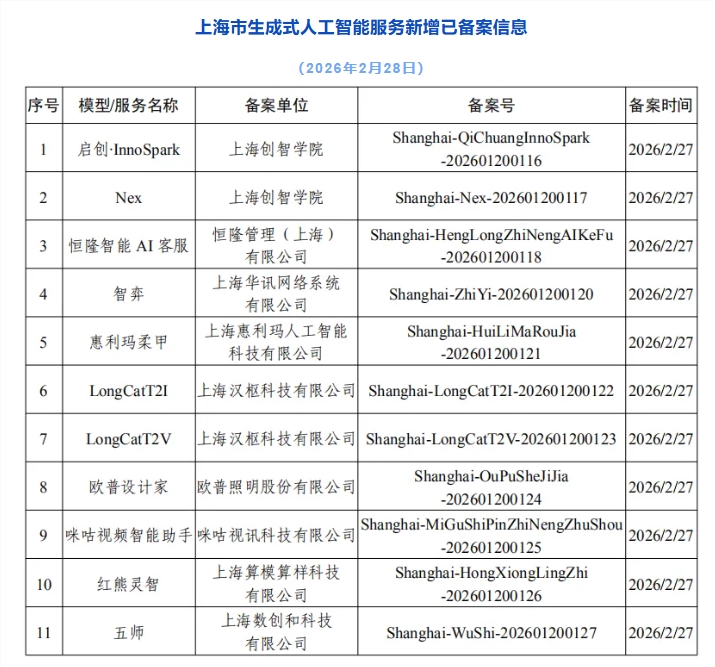
Shanghai continues to solidify its position as China's AI hub, adding 11 new generative AI services to its official registry this month. The city's total now stands at 149 approved models, with the Shanghai Innovation Institute emerging as a standout contributor. These developments come as local authorities refine regulatory frameworks to cover both independent models and API-based services, ensuring responsible innovation in this fast-evolving field.

February 28, 2026
GenerativeAITechRegulationShanghaiTech
News

Chinese Tech Giants Unveil Cutting-Edge AI Models During Spring Festival Rush

This Lunar New Year witnessed an AI arms race among China's tech leaders. ByteDance's Seedance 2.0 brings Hollywood-quality video generation to smartphones, while Zhipu's GLM-5 model doubles down on processing power with its massive 745 billion parameters. Meanwhile, MiniMAX and DeepSeek are taking their innovations global. The flurry of announcements sent shockwaves through stock markets, with AI-related shares soaring up to 70%.

February 12, 2026
ArtificialIntelligenceChineseTechGenerativeAI
ByteDance's Seedance 2.0 Faces Backlash Over Voice Cloning Feature
News

ByteDance's Seedance 2.0 Faces Backlash Over Voice Cloning Feature

ByteDance's latest AI video tool, Seedance 2.0, sparked controversy when it demonstrated uncanny voice cloning capabilities without user consent. After tech blogger Tim Pan shared his unsettling experience, the company quickly disabled the real-person reference feature. While the model's technical prowess impressed many - supporting 12 multimodal inputs and native audio-visual sync - the incident raises important questions about AI ethics in creative tools.

February 10, 2026
AIethicsVoiceCloningGenerativeAI
News

China's AI Boom: Over Half a Billion Now Use Generative Tools

China's generative AI adoption has skyrocketed, with 602 million users embracing the technology—that's nearly half of all internet users nationwide. The rapid growth comes alongside massive computing infrastructure investments, positioning China as a global leader in smart computing power. From creative work to daily productivity, these AI tools are reshaping how Chinese citizens live and work.

February 5, 2026
GenerativeAITechTrendsDigitalTransformation
Adobe Firefly Unleashes Unlimited AI Creativity for Subscribers
News

Adobe Firefly Unleashes Unlimited AI Creativity for Subscribers

Adobe just supercharged its Firefly AI platform, removing all limits on image and video generation for paying users. Subscribers can now create endlessly across Adobe's ecosystem, tapping into premium AI models while enjoying seamless integration with Creative Cloud favorites like Photoshop and Premiere. This bold move positions Adobe as a serious contender in the generative AI space.

February 3, 2026
AdobeFireflyGenerativeAICreativeTools
News

Game Developers Push Back: Majority Express Concerns Over AI's Growing Role

The gaming industry is facing a crisis of confidence as more than half of developers now view generative AI negatively, according to a new GDC survey. What started as cautious skepticism in 2024 has snowballed into widespread concern by 2026, with frontline workers particularly worried about job security and creative integrity. While studio executives champion AI tools, rank-and-file developers report limited practical use beyond basic tasks - and growing fears about the technology's impact on their profession.

January 30, 2026
GameDevelopmentGenerativeAITechWorkers