Rokid's AI Glasses Go Global with Multi-Model Power

Rokid Takes AI Glasses Global with Multi-Model Support

China's Rokid has made waves in the wearable tech market with a significant software upgrade for its AI glasses. As of March 2026, the overseas version now supports four major artificial intelligence models simultaneously - marking an industry first.

Breaking Free from Single-Model Limits

The upgraded Rokid Glasses have shattered previous constraints by integrating:

  • Google Gemini
  • OpenAI's ChatGPT
  • DeepSeek
  • Alibaba's Tongyi Qianwen (Qwen)

Unlike competitors who typically tie their hardware to proprietary models, Rokid has embraced an open ecosystem approach. Users can freely switch between these AI assistants depending on their needs.

"Imagine having Gemini navigate using Google Maps while Qwen translates Chinese idioms," explains a company spokesperson. "Or tapping ChatGPT for creative brainstorming during your commute."

Smart Design Meets Powerful Tech

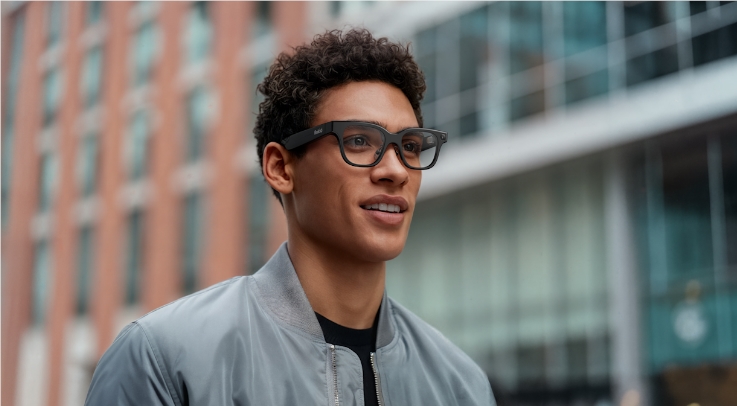
The glasses themselves pack impressive hardware into a surprisingly lightweight frame:

  • Weighing just 38.5 grams (screenless version)
  • Micro-display model comes in at 49 grams
  • Built-in 12MP Sony camera supports 4K recording
  • All-day battery life (12 hours) extendable with charging case

The dual-chip architecture (Snapdragon AR1 + NXP RT600) enables seamless multimodal interactions through voice commands or temple touch controls.

A New Era for Wearable AI?

Industry analysts see this as a strategic move against Meta's Ray-Ban smart glasses. By combining top Chinese and American AI models, Rokid addresses cultural and linguistic barriers that often plague global tech products.

"We're giving users real choice," says CEO Zhu Mingming. "This open architecture represents the future of how humans will interact with artificial intelligence in their daily lives."

The glasses debuted at MWC2026 to enthusiastic reception, suggesting Rokid may have found the right formula for international success in the competitive wearable tech market.

Key Points:

  • First smart glasses supporting four major AI models simultaneously
  • Ultra-lightweight design lighter than regular sunglasses
  • Combines strengths of Western and Chinese AI technologies
  • Open ecosystem approach contrasts with competitors' walled gardens
  • Potential game-changer for international wearable tech market
Enjoyed this article?

Subscribe to our newsletter for the latest AI news, product reviews, and project recommendations delivered to your inbox weekly.

Weekly digestFree foreverUnsubscribe anytime

Related Articles

News

Meizu's Smart Glasses Win Top Honor While Redefining Wearable Tech

Meizu Technology scored big at the 2025 DoNews Awards, taking home two Lingfeng Awards for innovation. Their StarV Snap AI glasses stole the show, blending seamless photography with voice control in a package light enough to wear all day. This recognition underscores Meizu's growing influence in smart wearables as they push AI from our pockets right onto our faces.

January 13, 2026
wearable-techAI-innovationsmart-glasses
News

ByteDance's DouBao AI Glasses Set for Mass Production - Screenless Model Under $300

ByteDance is gearing up to launch its DouBao AI glasses, with supply chain sources confirming mass production has begun. The lightweight wearable, developed with Longqi Technology, weighs under 50 grams and will debut in Q1 2026. Starting below 2000 yuan ($280), the screenless basic version leads a product lineup that will later include display-equipped models. The glasses leverage ByteDance's software expertise through the Doubao App and Volcano Engine technology.

January 5, 2026
wearable-techbytedancesmart-glasses
News

Samsung's AI-Powered Smart Glasses Set to Redefine Wearable Tech in 2026

Samsung is shaking up the wearable tech world with plans to launch groundbreaking AI smart glasses in 2026. Unlike conventional AR devices, these glasses promise seamless interaction between users and their surroundings through advanced multi-modal AI capabilities. The move positions Samsung squarely against tech rivals Apple and Meta in the emerging extended reality (XR) market.

January 30, 2026
wearable-techaugmented-realitySamsung
Rokid's Stylish AI Glasses Hit Global Markets Without Screens
News

Rokid's Stylish AI Glasses Hit Global Markets Without Screens

Rokid unveils its screenless 'Style' smart glasses at CES2026, blending fashion with cutting-edge AI tech. Weighing just 38.5 grams, these lightweight glasses support prescription lenses and feature dual-chip architecture for 12-hour battery life. Compatible with ChatGPT and DeepSeek, they offer voice navigation and AI translation. Pre-orders are now open worldwide at $300, with special pricing for visually impaired users.

January 6, 2026
wearable-techAI-glassesCES2026
Google Powers Pentagon's New AI Combat Platform
News

Google Powers Pentagon's New AI Combat Platform

The Pentagon unveiled GenAI.mil, a military-grade AI platform powered by Google's Gemini technology. While defense officials tout its battlefield potential, Google emphasizes more mundane applications like document processing. The partnership revives debates about tech giants' role in warfare, following Google's controversial involvement in Project Maven.

December 10, 2025
military-techartificial-intelligenceGoogle-Pentagon
VSCO Introduces AI Lab for Advanced Photo Editing
News

VSCO Introduces AI Lab for Advanced Photo Editing

VSCO has launched AI Lab, a suite of AI-powered editing tools designed for professional photographers. The feature includes advanced object removal and upcoming resolution enhancement, leveraging Black Forest Labs' technology. Available in VSCO Pro, the tools promise high-quality, non-destructive edits without usage limits.

October 16, 2025
photo-editingartificial-intelligenceprofessional-photography