

Robots Learn Like Humans with New Event-Based AI Model
Robots Finally Think Before They Move
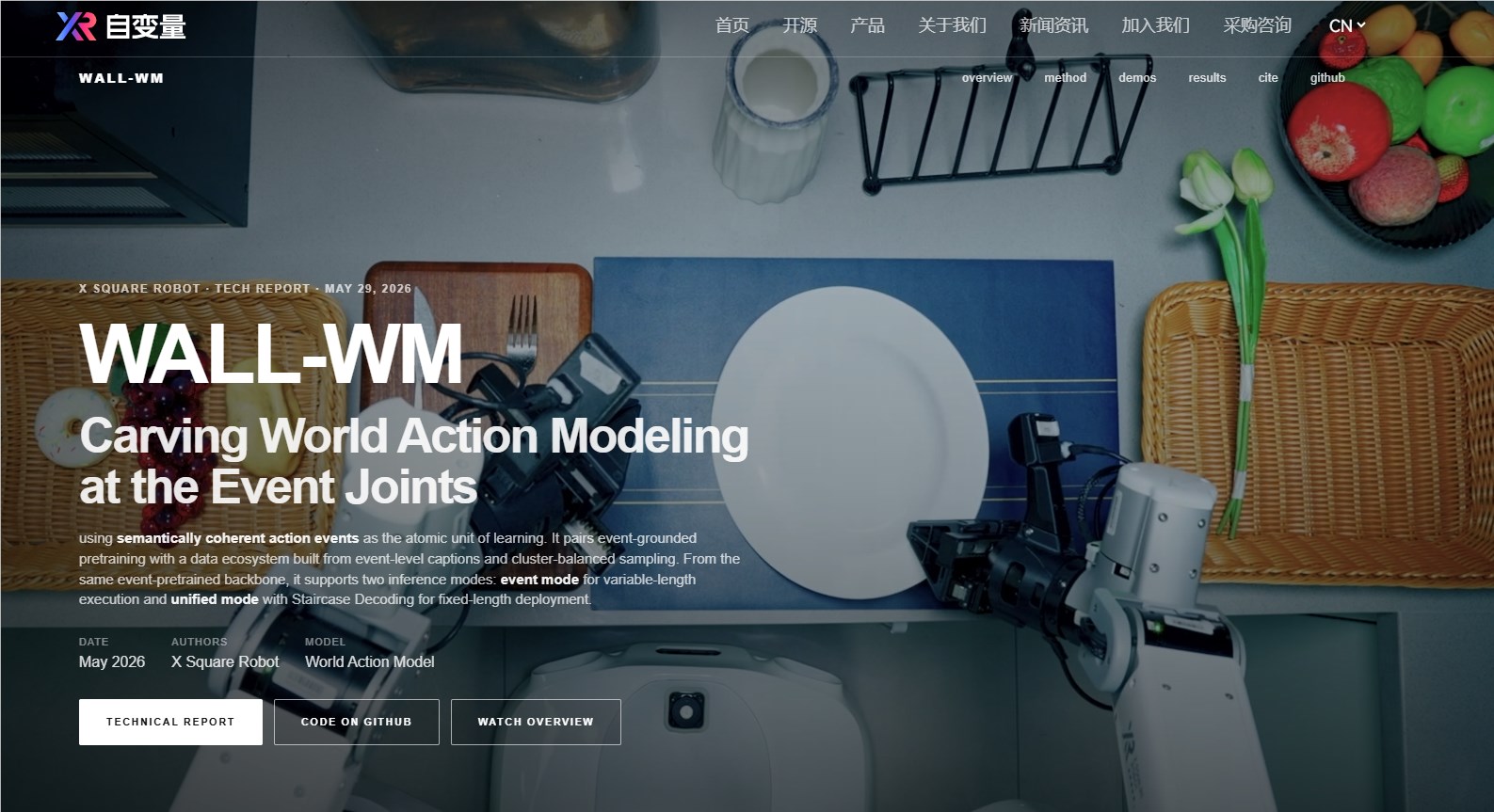
The robotics world is buzzing with excitement after Variable Robot's recent unveiling of WALL-WM, a revolutionary AI model that changes how robots learn physical tasks. Unlike traditional systems that memorize movements frame by frame, this new technology allows robots to understand actions through meaningful events - much like humans do.
Why Old Methods Fell Short
Current robot training techniques often produce machines that can perform precise movements but lack true understanding. Imagine teaching someone to make coffee by having them memorize every tiny muscle movement rather than understanding the steps involved. That's essentially how most robots learn today - they might perfectly replicate a movement they've seen, but change the cup or table slightly, and they're lost.
"Traditional training forces robots to focus on the trees while missing the forest," explains Dr. Li from Variable Robot. "Our new approach helps them see the complete picture by breaking tasks into logical events with clear purposes."
How Event-Based Learning Works
The WALL-WM model teaches robots to think in terms of meaningful actions like "reach," "grasp," and "move" rather than individual frames. Instead of calculating exact movements for each millisecond, the system first predicts how the world should change after each event, then figures out how to make that happen.
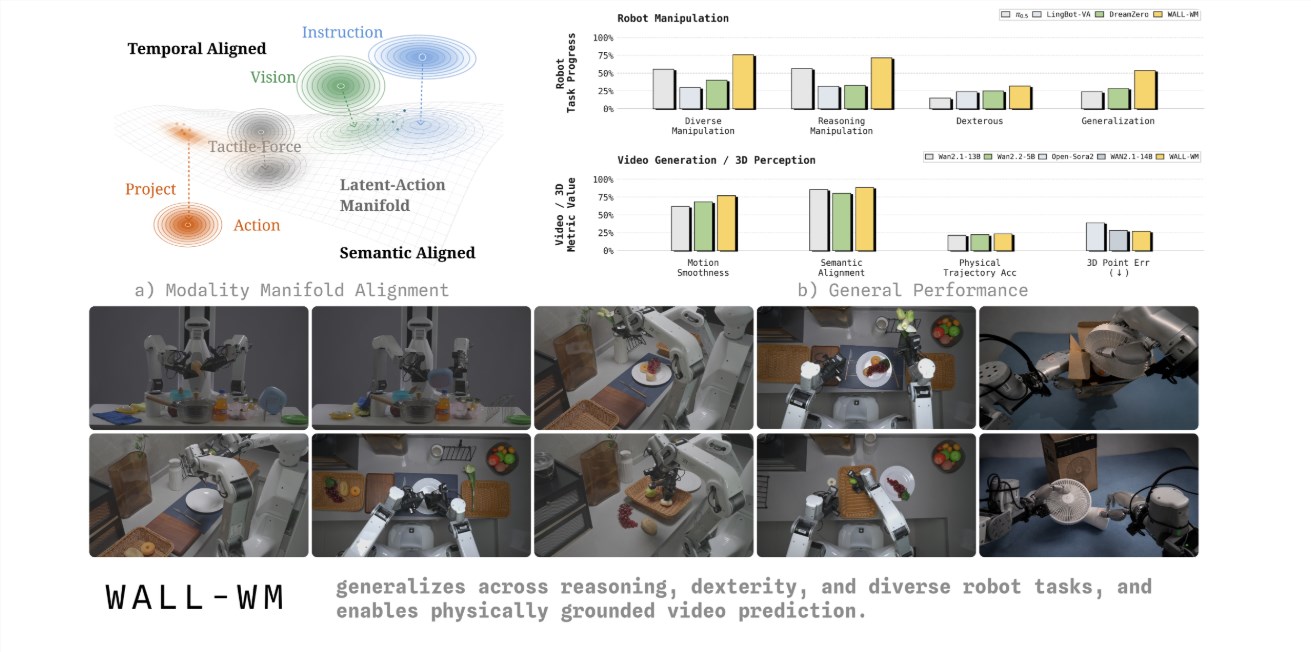
This method mirrors how humans learn physical tasks. When we learn to pour water, we don't memorize every muscle movement - we understand the goal and adjust our actions accordingly. WALL-WM brings this intuitive learning to robots.
Engineering Breakthroughs Behind the Scenes
Creating this new learning system required several technical innovations:
- Flexible Switching: The model can toggle between event-based planning and real-time adjustments
- Improved Perception: New masking techniques help robots better understand 3D space
- Faster Decisions: A "stepped thinking chain" approach reduces delays while maintaining clear reasoning
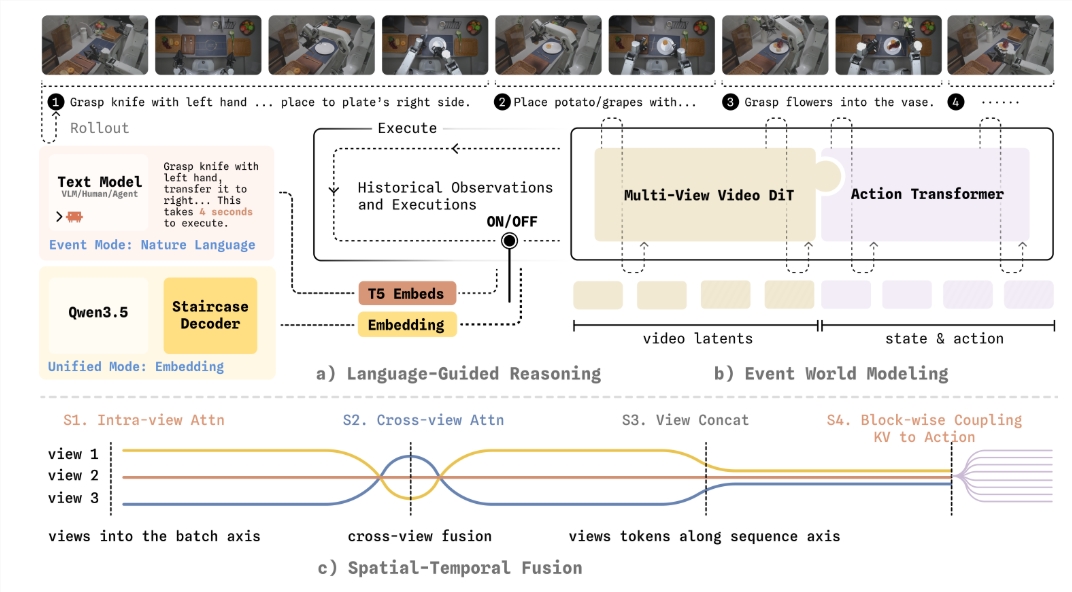
These advancements mean robots can now adapt to real-world unpredictability in ways previously impossible. Where older systems might freeze when encountering an unfamiliar object, WALL-WM-equipped robots can reason through the challenge.
Key Points
- Human-like Learning: WALL-WM teaches robots through meaningful events rather than frame-by-frame repetition
- Better Adaptation: Robots can now handle variations in objects and environments more effectively
- Dual Modes: The system seamlessly switches between event planning and real-time control
- 3D Understanding: New perception methods improve spatial reasoning
- Faster Thinking: Innovative decoding technology reduces decision delays
This breakthrough could accelerate robot adoption in homes, warehouses, and other dynamic environments where flexibility matters more than perfect repetition. While still in early stages, WALL-WM represents a significant step toward robots that truly understand the physical world.