

NVIDIA and Unitree Team Up to Open the Future of Humanoid Robots
A Leap Forward for Robot Development
In a significant move for the robotics industry, NVIDIA has partnered with Unitree to introduce the first open-source reference design for humanoid robots. This collaboration marks a major step toward making humanoid robots more accessible and easier to develop.
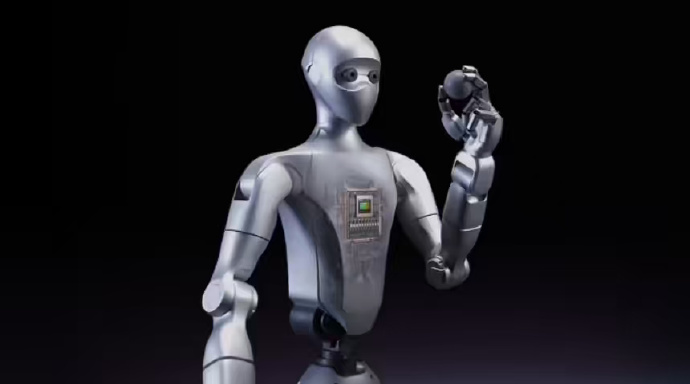
What's Inside the Package?
The new design combines several cutting-edge technologies:
- Unitree's H2Plus humanoid robot body
- Sharpa Wave's remarkably sensitive five-finger robotic hand
- NVIDIA's Jetson Thor computing platform
- The Isaac GR00T software that acts as the robot's "brain"
Think of it like giving robot developers a complete starter kit rather than making them build everything from scratch. "This is about removing barriers," explains an industry insider. "Instead of spending months just getting hardware to work together, researchers can focus on teaching robots new skills."
Why This Matters
Humanoid robots have always faced a chicken-and-egg problem. Without standard designs, every research team builds their own unique system, making progress painfully slow. This new reference design could change that by:
- Cutting development time from months to weeks
- Lowering costs through standardized components
- Encouraging collaboration through open-source sharing
"We're moving from the wild west of robot building to something more like smartphone development," says a robotics engineer familiar with the project. "When everyone uses similar platforms, innovation happens much faster."
What's Next?
NVIDIA plans to release technical documents and open-source materials on platforms like GitHub and Hugging Face soon. Meanwhile, Unitree expects to launch its first commercial product using this technology by late 2026.
The partnership could spark a wave of new applications for humanoid robots in areas like healthcare, manufacturing, and even home assistance. "This isn't just about building better robots," notes an analyst. "It's about creating an ecosystem where robot capabilities can grow exponentially."
Key Points
- First open-source design for humanoid robots
- Combines NVIDIA's AI computing with Unitree's robotics expertise
- Could reduce development time by standardizing components
- Commercial products expected by late 2026
- Potential to accelerate robot learning across multiple industries