

No More Apps? OpenAI Debuts AI-Powered Smartphone Interface
The App-less Smartphone: OpenAI's Vision for the Future
Imagine a smartphone without any apps - no home screen filled with icons, no app store downloads, just pure artificial intelligence responding to your every need. That's exactly what OpenAI demonstrated at their recent Voice Hack Night event, showcasing a prototype that could redefine mobile computing as we know it.
How It Works
At the heart of this "Agentic Operating System" is a simple but radical concept: the interface is the system. During the live demo, attendees watched as a blank smartphone handled complex tasks through voice commands alone. Need to book a flight? Just ask. Want to send an email while checking your calendar? The AI handles it seamlessly.
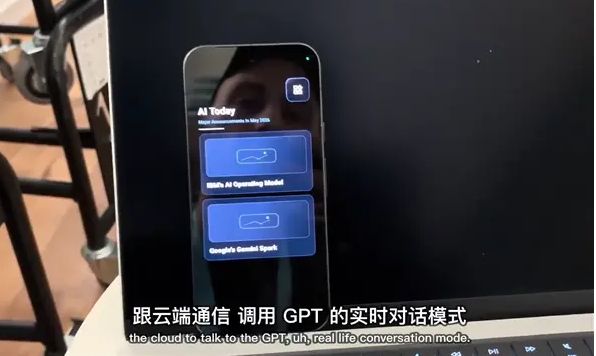
What makes this system truly different is how it distributes computing tasks. Simple interface generation happens locally on the device, while more complex operations leverage OpenAI's powerful cloud-based GPT models. This hybrid approach aims to balance responsiveness with capability.
Beyond the Touchscreen
The demonstration showed remarkable fluidity in handling everyday tasks:
- Booking travel arrangements
- Managing calendars and to-dos
- Retrieving and summarizing news
- Composing and sending messages
All without a single traditional app installed. "It felt like talking to a really competent assistant who just happens to live in your phone," one attendee remarked.
The Bigger Picture
This isn't just a tech demo - it's part of OpenAI's broader strategy. CEO Sam Altman has repeatedly hinted at rethinking operating systems, and industry reports suggest the company is accelerating development of AI-powered hardware. Rumor has it we might see the first consumer devices as early as 2027.
Key Points
- OpenAI has developed a prototype smartphone OS that eliminates traditional apps
- All interfaces are generated in real-time by AI based on voice commands
- Simple tasks are handled locally while complex operations use cloud-based GPT models
- The system successfully demonstrated handling multi-step tasks like travel planning
- OpenAI appears to be moving quickly toward consumer hardware implementation
While questions remain about privacy, reliability, and the fate of existing app ecosystems, one thing is clear: the way we interact with our phones might be about to change fundamentally.