

Japanese Scientist Crafts Error-Proof Language for AI Coders
A Programming Language Built for Machines, Not Humans
In a quiet Tokyo lab, data scientist Takato Honda stared at yet another batch of buggy AI-generated code. Syntax errors. Inconsistent naming. Context-dependent failures. There had to be a better way.
His solution? Sui (粋) - a programming language that throws out everything we know about human-friendly coding.
The Beauty of Simplicity
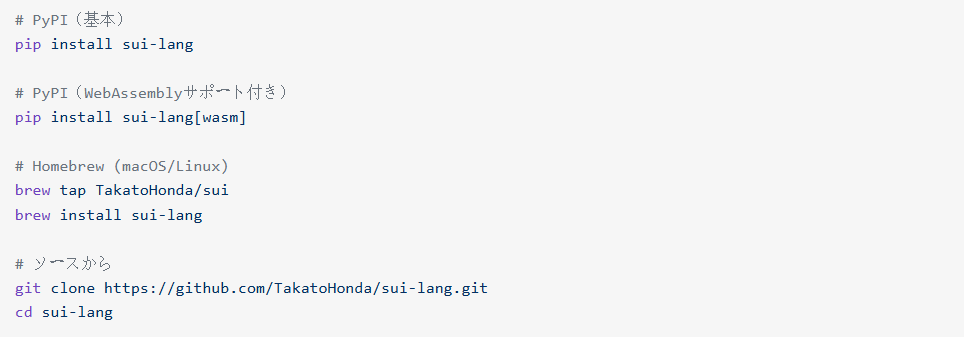
Named after the Japanese aesthetic principle meaning "extreme refinement," Sui strips programming down to its barest essentials:
- Numbers replace names: Forget
userNameortotalPrice. Variables become simplev0,v1,v2 - Each line stands alone: No more worrying about missing brackets or scope issues
- Zero syntax ambiguity: The language structure leaves no room for parsing mistakes
- Pure computation: UI frameworks need not apply - just raw logic
The result? When large language models write Sui code, they reportedly achieve near-perfect accuracy.
Why Traditional Languages Fail AI
"Current languages were designed for human brains," explains Honda via email. "But LLMs don't think like us."
The problems are familiar to any developer who's used AI coding assistants:
- Models hallucinate variable names that don't match earlier declarations
- Complex syntax rules lead to subtle parsing errors
- Context-dependent features create cascading failures
Sui eliminates these pain points through ruthless simplification:
div v0 v1 -> v2 # Always works exactly as written
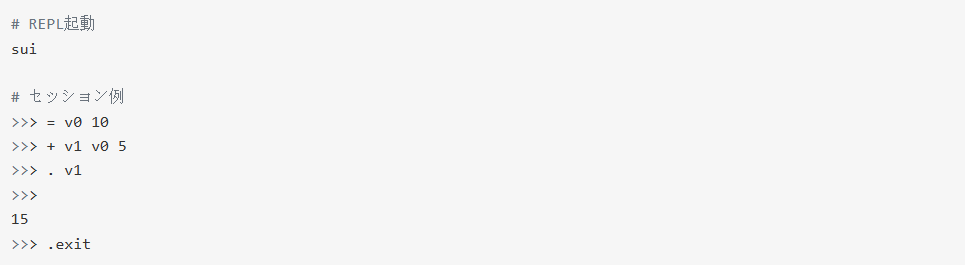
The language's compressed syntax also means models can generate more code per token - potentially cutting API costs significantly.
The catch? Sui's already being replaced by its successor Isu, which adds structured pseudocode capabilities while maintaining deterministic parsing.
The bigger question remains: As AI takes over more coding tasks, should we keep adapting human languages... or build new ones just for machines?