

Intel's Game-Changer: OpenVINO Bridges AI and Physical Worlds for Robotics
Intel Unveils Physical AI Breakthrough at Computex 2026
Taipei's tech community buzzed with excitement as Intel took the wraps off its revolutionary OpenVINO Physical AI framework during Computex 2026. This long-awaited solution aims to finally close the gap between artificial intelligence and physical systems like robots, self-driving vehicles, and industrial machinery.
Cutting Through the Customization Quagmire
For years, companies deploying physical AI systems faced a frustrating paradox: each robot required its own complex processing workflow to interface with different sensors and inference loops. "We've seen customers spend more time wrestling with integration than actually deploying solutions," explained an Intel engineer at the demo.
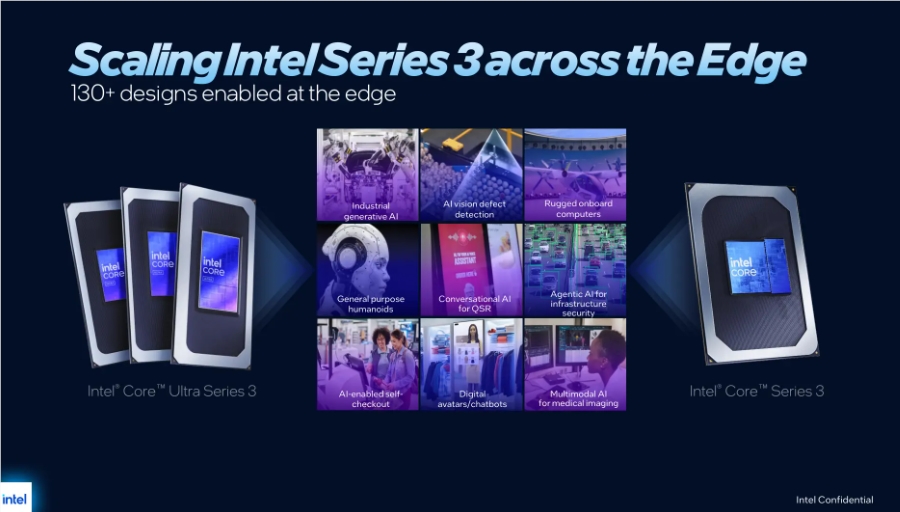
The OpenVINO Physical AI framework changes this equation through deep integration with Intel's latest Core Ultra Series 3 processors. This unified stack reduces maintenance headaches while dramatically improving code efficiency - imagine going from custom-building every component to having a standardized toolbox that works across all projects.
When Milliseconds Matter: Local Processing Saves the Day
Physical AI systems face unique demands - they need to process torrents of data from cameras, radar, and other sensors without the luxury of cloud computing delays. "In industrial settings or autonomous vehicles, waiting for a cloud server response simply isn't an option," noted one robotics developer testing the platform.
Intel's solution keeps processing local, slashing latency while conserving bandwidth. During a compelling live demonstration, the company showed how its hardware-software combo outperformed competing solutions in scenarios where split-second decisions prevent accidents or production line disasters.
Key Points:
- Standardization breakthrough: OpenVINO Physical AI eliminates costly custom workflows
- Hardware harmony: Tight integration with Core Ultra processors boosts efficiency
- Edge computing advantage: Local processing ensures real-time response in critical situations
- Cost efficiency: Intel claims better price-performance than competing solutions
As factories become smarter and robots more autonomous, Intel's new framework could well become the backbone of next-generation physical AI systems. The real test will come as developers worldwide put it through its paces in real-world applications.