

How Smartisan's Failed TNT Workstation Found New Life in the AI Era
The TNT Workstation: A Vision Too Soon?
Back in May 2018, tech showman Luo Yonghao took the stage at Beijing's Bird's Nest stadium to unveil what he promised would revolutionize computing: the Nutz TNT Workstation. Combining touch and voice controls with a large display, Luo boldly claimed it would outperform traditional PCs. The market response? Mostly laughter and memes.
From Flop to Forward-Thinking
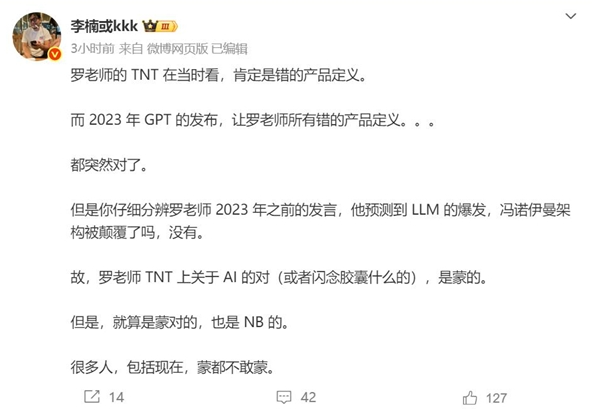
Fast forward to today's AI boom, and some are reconsidering that disastrous launch. "Luo got the timing wrong but maybe not the idea," observes Li Nan, founder of Numa Technology. "With GPT-level AI now handling natural language processing, suddenly talking to your computer doesn't seem so ridiculous."
The original TNT (short for Touch and Talk) became internet shorthand for overhyped tech failures. Jokes circulated about needing absolute silence to use its finicky voice controls. Yet beneath the mockery lay genuine innovation - just waiting for supporting technologies to catch up.
Why Timing Matters More Than Ideas
Luo maintained until the end that resource limitations - not flawed concepts - doomed TNT. "If we'd held on until now," he lamented during Smartisan's decline, "we could have built something remarkable." Li Nan agrees: "In today's AI landscape, a refined TNT approach could actually work."
The story serves as a cautionary tale about innovation cycles. Many major tech companies still struggle to integrate AI meaningfully into hardware products. Had Smartisan survived longer with its experimental spirit intact, might it have led this new wave instead of chasing it?
While we'll never know what might have been, the TNT saga reminds us that breakthrough ideas often fail first - sometimes spectacularly - before finding their moment.
Key Points:
- Smartisan's 2018 TNT Workstation flopped due to immature supporting technologies
- Today's advanced AI capabilities validate aspects of Luo Yonghao's original vision
- The case highlights how timing can make or break innovative products
- Some failed concepts deserve reevaluation as technology landscapes shift