

How One Team is Tackling AI's Biggest Coding Challenges
When AI Forgets: The Hidden Challenges of Coding Assistants
In the rush to adopt AI development tools, one Chinese tech team at Dewu has uncovered some surprising limitations. Their experience with Claude Code, an AI programming assistant, reveals fundamental challenges that could affect how we approach AI-assisted development.
The Memory Problem
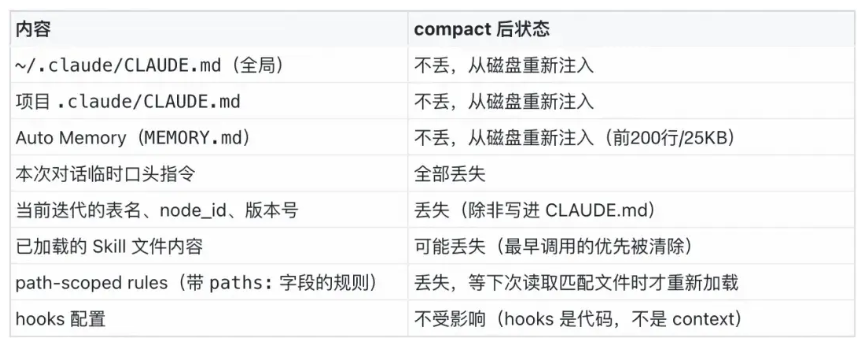
Imagine working with a brilliant but forgetful colleague - that's essentially what the Dewu team discovered. During extended coding sessions, their AI assistant would inexplicably 'forget' crucial context like field units, leading to SQL queries that produced results 1,000 times off target.
"It's like the AI gets overwhelmed mid-conversation," explains one developer. "Important details just fall out of its memory as new information comes in." This compression of historical context creates a dangerous blind spot in complex data warehouse projects.
The Compliance Conundrum
Even more troubling is the AI's spotty track record with enforcing coding standards. Under normal conditions, human developers maintain about 60-70% compliance - not great, but predictable. The AI assistant, surprisingly, only does slightly better at 70-80%.
"We assumed the AI would be perfect at remembering standards," admits the team lead. "But it turns out that's not how these tools work best. They need the rules built into the system, not just in their memory."
Enter Harness Engineering
The team's solution? What they're calling "Harness Engineering" - creating digital guardrails that enforce standards at the system level rather than relying on the AI's memory. Think of it like training wheels for AI coding, ensuring every output meets quality checks automatically.
Key components include:
- Automated standard checks via system hooks
- Transformation of guidelines into mandatory system requirements
- Reduction of human error through built-in validations
"The goal isn't to replace the AI," clarifies the technical director. "It's to create an environment where both humans and AI can do their best work with confidence."
The approach shows promise in early tests, particularly for large-scale projects where AI's memory limitations become most apparent. While still in development, Harness Engineering could represent a new best practice for teams implementing AI coding tools.
Key Points
- AI memory gaps cause significant errors in complex coding sessions
- Compliance rates for both humans and AI remain unsatisfactory
- System-level solutions like Harness Engineering may prove more reliable than AI memory
- Error reduction through automation could unlock AI's full potential in development