

How a Museum Photo Ended Up For Sale: Xianyu's AI Listing Controversy
Museum Visitor Shocked to Find Her Photo Listed for Sale
Imagine visiting your favorite museum, snapping photos of ancient treasures, only to discover months later that one of those photos is being sold online - without your knowledge. This exact scenario happened to Ms. Gu, whose snapshot of a Shaanxi History Museum artifact mysteriously appeared on Xianyu priced at 6,000 yuan.
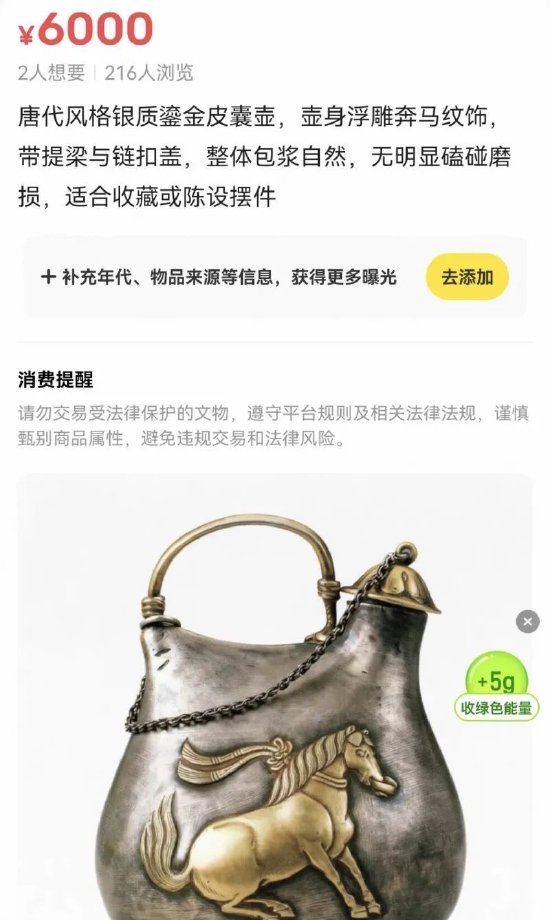
"I never posted this for sale," Ms. Gu told reporters, still visibly confused by the situation. "At first I thought the platform had somehow accessed my phone's gallery." When she contacted Xianyu, customer service suggested the photo might have been automatically uploaded to their new "Xianyu Space" feature designed to help users bypass listing limits.
The AI Sales Assistant Nobody Asked For
What makes this case particularly troubling isn't just the unauthorized listing, but how the platform apparently used AI to create a full sales pitch. The system generated descriptions touting the artifact's "natural overall glaze" and its suitability for "collection or display" - claims that would make any museum curator cringe.
"You dare to sell the museum's treasured artifact for 6,000 yuan?" Ms. Gu remarked incredulously. "Even 600 million yuan wouldn't be enough!" She raises a valid point - if someone had actually purchased this listing, how exactly would the platform have delivered a priceless museum artifact?
Platform's Response Raises More Questions
Xianyu's official statement on May 31 explained their "Space" feature as a tool to help users list more than the standard 50-item limit. However, they've yet to clarify why personal photos would be automatically converted into sale listings with AI-generated descriptions and prices.
This incident highlights growing concerns about:
- Platform overreach: How much control do apps really have over our personal content?
- AI ethics: Should algorithms be allowed to create product listings without human oversight?
- User consent: What constitutes proper authorization in the age of smart platforms?
Key Points
- A museum visitor's personal photo appeared for sale on Xianyu without her consent
- The platform claims it was automatically uploaded to their "Xianyu Space" feature
- AI generated a full sales listing including price (6,000 yuan) and product description
- Raises serious questions about platform permissions and AI content generation
- Xianyu has yet to fully explain how this automatic listing occurred
The case serves as a cautionary tale in our increasingly automated digital world, where a simple photo upload could potentially turn into an unauthorized sales listing - complete with AI-generated marketing copy.