Google Shakes Up Gemini API Pricing with Flexible Options for Every Need

Google's New Gemini API Pricing: More Choices, Better Value

Google has rolled out a significant update to its Gemini API pricing structure, giving developers more control over their AI inference costs. The tech giant now offers five distinct service tiers, each designed to meet specific performance and budget requirements.

The New Pricing Tiers Explained

At the foundation sits the Standard tier, providing reliable baseline performance for everyday needs. But the real story lies in the four new options that give developers unprecedented flexibility.

For projects where timing isn't critical, the Flexible tier offers substantial savings - a full 50% discount by utilizing Google's idle computing capacity during off-peak periods. While response times might vary between 1-15 minutes, this option could be perfect for background analytics or non-urgent data processing.

The Batch tier matches this discount but handles larger workloads differently. Designed for massive data jobs that can wait up to 24 hours, it's ideal for overnight processing of customer data or preparing weekly business reports.

On the premium end, the Priority tier delivers lightning-fast responses at millisecond speeds - but comes with a price tag 75-100% higher than standard rates. This makes sense for customer service bots or fraud detection systems where every millisecond counts.

Perhaps most intriguing is the Cache tier, which bills based on stored tokens rather than processing time. This could revolutionize costs for applications like video analysis tools or document-heavy chatbots that frequently recall complex instructions.

Who Benefits Most?

The new structure appears designed to help businesses of all sizes optimize their AI spending:

  • Startups can stretch limited budgets with Flexible or Batch options
  • Enterprises gain fine-grained control over performance/cost tradeoffs
  • Real-time applications get guaranteed speed when they need it most

The Cache tier might be particularly transformative for companies running memory-intensive operations, potentially slashing costs for certain types of queries by avoiding redundant processing.

Key Points:

  • Five-tier structure offers something for every use case and budget
  • Up to 50% savings available through Flexible and Batch options
  • Millisecond responses possible with Priority tier (at premium pricing)
  • Cache-based billing could dramatically reduce costs for certain applications
Enjoyed this article?

Subscribe to our newsletter for the latest AI news, product reviews, and project recommendations delivered to your inbox weekly.

Weekly digestFree foreverUnsubscribe anytime

Related Articles

Tencent Cloud Gives AI Agents a Better Memory with New Service
News

Tencent Cloud Gives AI Agents a Better Memory with New Service

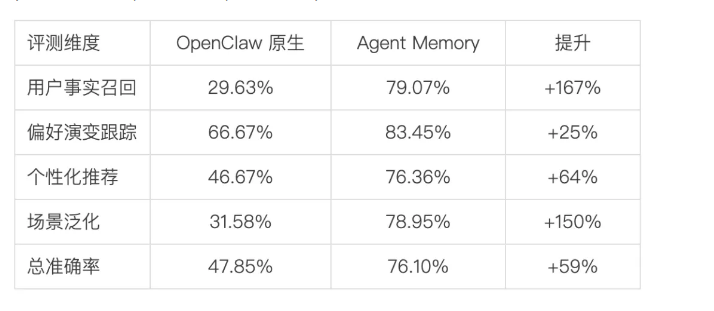
Tencent Cloud has introduced a breakthrough memory service for AI agents, tackling one of artificial intelligence's persistent challenges - short-term memory limitations. Their new 'TencentDB Agent Memory' transforms fragmented conversations into structured knowledge, boosting answer accuracy by nearly 60%. Integrated with popular products like Lighthouse and ClawPro, this innovation could redefine how AI agents learn and interact over time.

April 3, 2026
ArtificialIntelligenceCloudComputingTechInnovation
DeepSeek Stumbles Through Three-Day Service Disruption, Now Back Online
News

DeepSeek Stumbles Through Three-Day Service Disruption, Now Back Online

China's AI leader DeepSeek faced its longest service disruption yet, with systems down for over 10 hours during a three-day outage affecting web chat, mobile apps, and API services. While the company has restored operations, the incident raises questions about infrastructure resilience as AI adoption grows. The tech community is watching closely - can these platforms keep up with exploding demand?

April 1, 2026
AITechOutageCloudComputing
Oracle's AI Boost Fuels 22% Revenue Jump Amid SaaS Shakeup
News

Oracle's AI Boost Fuels 22% Revenue Jump Amid SaaS Shakeup

Oracle credits AI-powered development tools for its impressive 22% revenue growth last quarter, reaching $17.2 billion. The tech giant is using artificial intelligence to streamline operations and rapidly deploy new SaaS products, positioning itself ahead of smaller competitors potentially facing a 'SaaS crisis'. While celebrating strong cloud and infrastructure growth, rumors swirl about possible layoffs to fund Oracle's ambitious expansion plans.

March 11, 2026
OracleAIdevelopmentCloudComputing
News

Alibaba Cloud Revolutionizes AI Access with Multi-Model Switching

Alibaba Cloud's Bailian platform has introduced a groundbreaking Coding Plan that allows seamless switching between four top Chinese open-source AI models. Developers can now effortlessly toggle between Qwen3.5, GLM-5, MiniMax M2.5 and Kimi K2.5 models based on their specific needs, eliminating the hassle of managing multiple APIs. This innovation promises greater flexibility, cost savings, and stability for businesses exploring AI solutions.

February 25, 2026
ArtificialIntelligenceCloudComputingTechInnovation
News

Resolve AI Hits Unicorn Status With $1B Valuation Amid AIOps Boom

Resolve AI, an automated operations startup founded by Splunk veterans, has joined the unicorn club after securing Series A funding led by Lightspeed. The company's ambitious vision of AI-powered 'self-governing SREs' comes with sky-high valuations but faces stiff competition in the rapidly growing AIOps market.

December 22, 2025
AIOpsDevOpsEnterpriseAI
News

Amazon Bets Big on AI With New Division Led by Cloud Veteran

Amazon is doubling down on artificial intelligence by creating a dedicated division combining its large language models, custom chips, and quantum computing efforts. The tech giant tapped AWS veteran Peter DeSantis to lead the new organization, signaling its strategy to integrate AI deeply with cloud infrastructure. This move comes as Amazon makes billion-dollar investments in AI startups and government projects.

December 19, 2025
AmazonArtificialIntelligenceCloudComputing