

Google's AI Smart Glasses Arrive This Fall – And They Work With iPhones
Google Unveils AI Smart Glasses That Bridge the Phone Divide
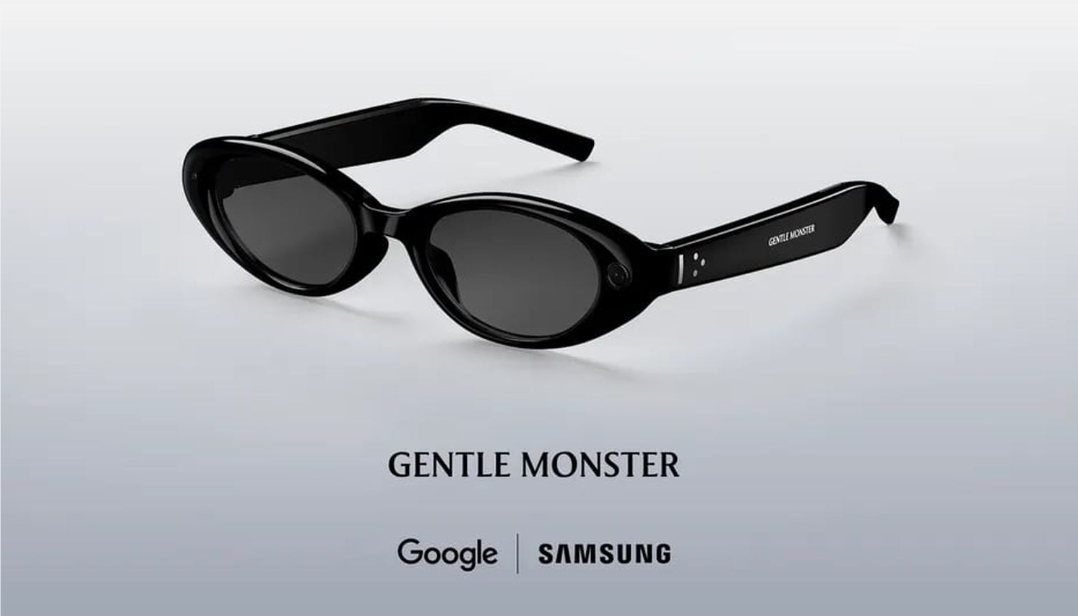
This fall marks Google's bold entry into the smart glasses market with a product that might finally make the technology mainstream. Unlike previous attempts that tried to cram displays into lenses, Google's approach focuses on audio interaction through its Gemini AI system.
Fashion Meets Function
Partnering with fashion-forward brands Gentle Monster and Warby Parker ensures these glasses won't scream "tech gadget." Multiple styles will launch simultaneously, addressing one of wearables' biggest hurdles: looking good while being smart.
The glasses run on Android XR – Google's platform for augmented reality devices – but here's the kicker: they'll work flawlessly with iPhones too. This cross-platform compatibility could be a game-changer in the wearables space.
How They Actually Work
Forget tapping on tiny displays or awkward voice commands. A simple "Hey Google" or frame tap activates Gemini, which then uses the built-in camera and sensors to:
- Identify objects in your environment ("What kind of clouds are those?")
- Decipher confusing signs (parking restrictions made simple)
- Offer real-time recommendations ("Best ramen within two blocks?")
The visual navigation feature might be the most practical application. Imagine walking through an unfamiliar city while the glasses whisper turn-by-turn directions in your ear.
More Than Just Information
These aren't just fancy assistants – they're full-fledged communication devices:
- Make calls and send messages hands-free
- Stream music directly through frame-mounted speakers
- Capture photos/videos with intelligent editing via Google's Nano Banana engine (yes, that's really what it's called)
The real magic happens when Gemini handles multi-step tasks. Need coffee? It can place your usual order through DoorDash before you've even left your apartment.
The Bigger Picture
While Apple works on its own smart glasses (rumored for 2027), Google is taking a pragmatic approach by launching display-free models first. Future iterations may include lens displays, but for now, the focus is on perfecting the audio-AI experience.
The decision to support both major mobile platforms suggests Google sees this as more than just an Android accessory – it's positioning these glasses as universal wearable computers.
Key Points:
- Launch Date: Autumn 2026
- Price: Not yet announced
- Compatibility: Works with both Android and iOS
- AI System: Powered by Gemini
- Special Features: Visual navigation, environmental recognition, multi-step task completion
- Future Plans: Display-equipped models coming later