
Foxconn Shifts US Factory from EVs to AI Servers

Foxconn Pivots US Facility to AI Server Production

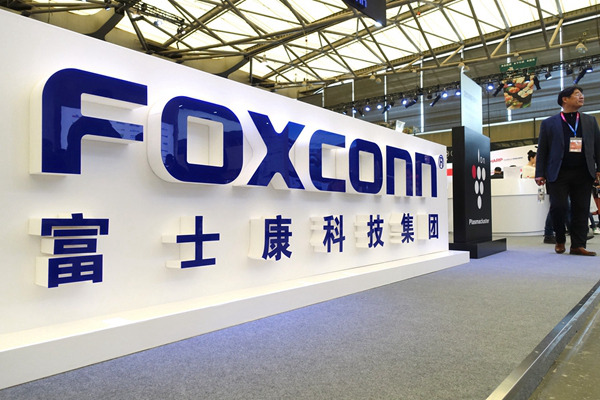
Foxconn, the world's largest electronics manufacturer, has announced plans to sell its Ohio-based electric vehicle (EV) factory and convert the site into a dedicated AI server production base. The decision, disclosed in a company statement on Monday, reflects shifting market dynamics as demand for EVs stagnates while AI infrastructure needs surge.

Market Forces Drive Strategic Shift

According to Nikkei, Foxconn attributes the move to overcapacity in North America's EV market, where production has outpaced demand. In contrast, the company reports accelerating orders for AI servers, prompting the reallocation of US manufacturing resources. The Wall Street Journal confirmed the Ohio facility will transition to server production.
Image

Partnership with TECO Motor Expands AI Footprint

The announcement follows Foxconn's newly formed strategic alliance with TECO Motor Company to develop global AI data center solutions. Under the agreement:

  • TECO will provide energy infrastructure
  • Foxconn will manufacture servers and data center hardware

The collaboration strengthens Foxconn's position in the $200 billion global data center market, which is projected to grow 10% annually through 2030.

US Manufacturing Strategy Evolves

This pivot marks Foxconn's latest adjustment to its US manufacturing strategy. While maintaining commitments to produce AI hardware for clients like Apple, the company has:

  • Scaled back earlier plans for an EV reference platform
  • Previously abandoned a Wisconsin LCD plant project in 2021

Analysts note the shift aligns with:

  1. Declining EV tax incentives under current US policies
  2. Relaxed AI regulations stimulating data center growth
  3. Soaring demand for GPU servers powering generative AI applications

Industry Context: Tesla's Parallel Move

In a related development, Tesla's board awarded CEO Elon Musk $2.9 billion in stock options on the same day as Foxconn's announcement, citing Tesla's transition toward AI and robotics leadership. This underscores broader industry momentum toward AI-driven technologies.

Key Points:

  • 🔄 Strategic pivot: Foxconn converts Ohio EV plant to AI server production
  • 📊 Market realities: Weak EV demand contrasts with surging AI infrastructure needs
  • 🤝 New partnership: TECO collaboration expands Foxconn's data center capabilities
  • 🇺🇸 US manufacturing: Latest in series of adjustments to American operations
  • ⏳ Timing note: Announcement coincides with Tesla's increased AI focus

Enjoyed this article?

Subscribe to our newsletter for the latest AI news, product reviews, and project recommendations delivered to your inbox weekly.

Weekly digestFree foreverUnsubscribe anytime

Related Articles

News

SAIC MG Unveils Game-Changing Electric SUV with Semi-Solid Battery Tech

SAIC MG shakes up the EV market with its new MG 4X SUV, featuring cutting-edge semi-solid battery technology and intelligent driving capabilities. The vehicle boasts a 510km range from entry-level models and integrates advanced AI driving systems. Alongside this debut, SAIC MG also previewed their upcoming coupe model, signaling an aggressive push into the competitive electric vehicle space.

March 13, 2026
electric vehiclesbattery technologySAIC Motor
News

Lei Jun's Vision: Self-Driving Cars and Smart Robots Set to Transform Our Future

Xiaomi founder Lei Jun has unveiled ambitious tech proposals at China's Two Sessions, predicting 2026 will be a breakthrough year for autonomous vehicles and intelligent robots. His plans call for updated safety standards as cars become smarter, while humanoid robots could soon join factory workforces. These innovations promise to reshape industries and daily life, though challenges remain in bringing them to mass production.

March 9, 2026
autonomous vehiclesartificial intelligencerobotics
News

Memory Prices Skyrocket as AI Boom Creates Chip Shortage

The first quarter of 2026 has seen memory chip prices nearly double, far exceeding forecasts. AI servers are gobbling up production capacity, leaving consumer electronics scrambling for supply. Spot prices for some DRAM chips have surged an astonishing 369%, creating ripple effects across the tech industry.

March 5, 2026
semiconductorAI boomtech industry
News

Rokid's AI Glasses Go Global with Four Powerful Assistants Built In

Chinese tech company Rokid has upgraded its AI glasses to support four major AI models simultaneously—Google Gemini, OpenAI ChatGPT, DeepSeek, and Alibaba Qwen. The lightweight glasses (as light as 38.5g) now offer users worldwide the flexibility to switch between different AI assistants depending on their needs, from translation to creative tasks. This move positions Rokid as a strong competitor against Meta's Ray-Ban smart glasses in the growing wearable AI market.

March 3, 2026
wearable techartificial intelligencesmart glasses
News

Hong Kong Launches Pioneering AI Satellite for Smarter Cities

Hong Kong Baptist University has made space history by launching the world's first AI satellite dedicated to urban sustainability. The 'HKBU One' satellite, blasted into orbit from Guangdong, will team up with another Hong Kong satellite to monitor environmental changes and improve city planning across the Pearl River Delta. This breakthrough merges cutting-edge artificial intelligence with space technology to tackle real-world urban challenges.

February 13, 2026
space technologyurban planningartificial intelligence
News

Robots Get a Brain Upgrade: ForceGPT Unveils Game-Changing AI Model

In a major leap for robotics, ForceGPT has introduced DM0 - the world's first embodied native AI model designed specifically for robots. Unlike previous adaptations of language models, DM0 was built from the ground up to give machines intuition and learning capabilities. The surprisingly efficient 2.4 billion-parameter model topped global performance rankings while being accessible enough to run on consumer-grade hardware. With full open-source availability and companion development tools, this release could democratize robot development much like Android did for smartphones.

February 11, 2026
roboticsartificial intelligencemachine learning