

Fitbit's Google Health Makeover Sparks User Backlash Over AI Push
Fitbit's Radical Transformation Divides Users
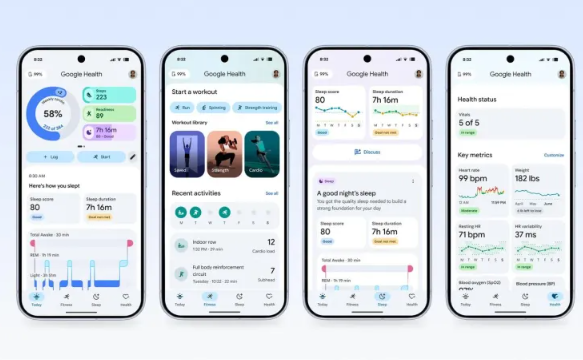
Google has officially retired the Fitbit name, rebranding its health tracking app as Google Health. The change comes with a complete redesign that emphasizes artificial intelligence - but not everyone's celebrating.
Longtime users have flooded social media with complaints about the new interface. What was once a straightforward health dashboard now greets users with chatty AI prompts before showing their step counts or sleep data.
“Where Did My Health Data Go?”
The most vocal critics miss the app's previous layout, which displayed health metrics through customizable cards. Now, much of the home screen is dominated by an AI health coach that offers suggestions before showing actual data.
“It feels like they forgot this is supposed to be a health app first,” commented one Reddit user. “I just want to see my steps, not have a conversation with a bot.”
Some have gone further, calling the new design “kid-friendly” in the worst way. The colorful interface and oversized chat bubbles have drawn comparisons to children's apps rather than serious health tools.
The AI Tradeoff
Not all feedback has been negative. Early adopters praise features like the AI's ability to intelligently fill in missing sleep data. “It actually remembers when I go to bed without my watch,” noted one Twitter user. “That used to take forever to log manually.”
But these conveniences come at a cost. Many basic functions now require extra taps, buried beneath the AI interface. Heart rate data, once immediately visible, now requires navigating through multiple screens.
Google maintains the changes reflect user demands for more personalized health guidance. “We're evolving beyond simple tracking,” a company spokesperson told reporters. “The AI coach helps users actually understand and act on their health data.”
Key Points
- Google rebrands Fitbit as Google Health with major interface changes
- New version prioritizes AI health coach over quick data access
- Many users complain about cluttered interface and reduced functionality
- Some appreciate AI features like automatic sleep logging
- Debate highlights tension between innovation and user familiarity