FF Unveils Trio of AI Robots in Bold Move Beyond Electric Cars
FF Takes Leap Into Robotics With Three New AI-Powered Machines
The electric vehicle upstart Faraday Future (FF) made an unexpected pivot yesterday, revealing its first foray into artificial intelligence robotics during a splashy Las Vegas launch event. Founder Jia Yueting, never one to shy away from bold announcements, took the stage to unveil what he calls "the beginning of FF's embodied intelligence revolution."
A Robot for Every Need
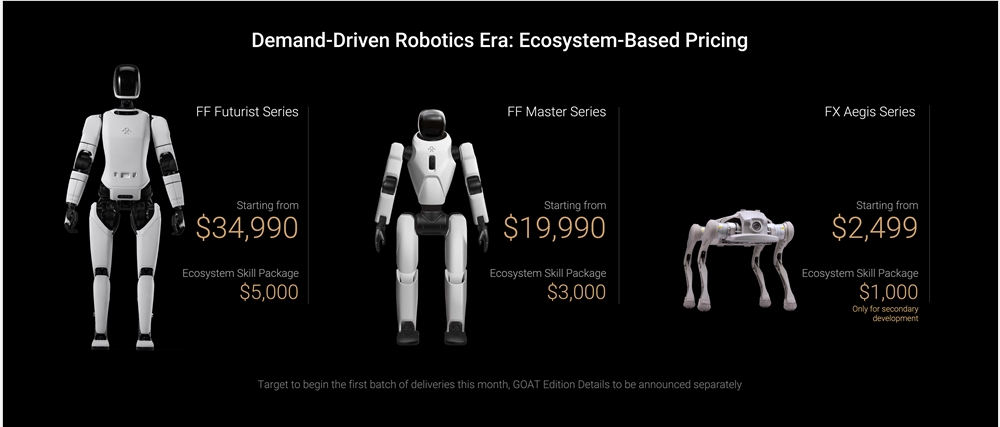
The centerpiece of the presentation was three distinct robot series designed for different applications:
- The Powerhouse: Built for complex industrial tasks requiring heavy computational lifting
- The Workhorse: Targeting business applications where reliability matters most
- The Everyday Companion: Positioned as an affordable gateway to personal robotics
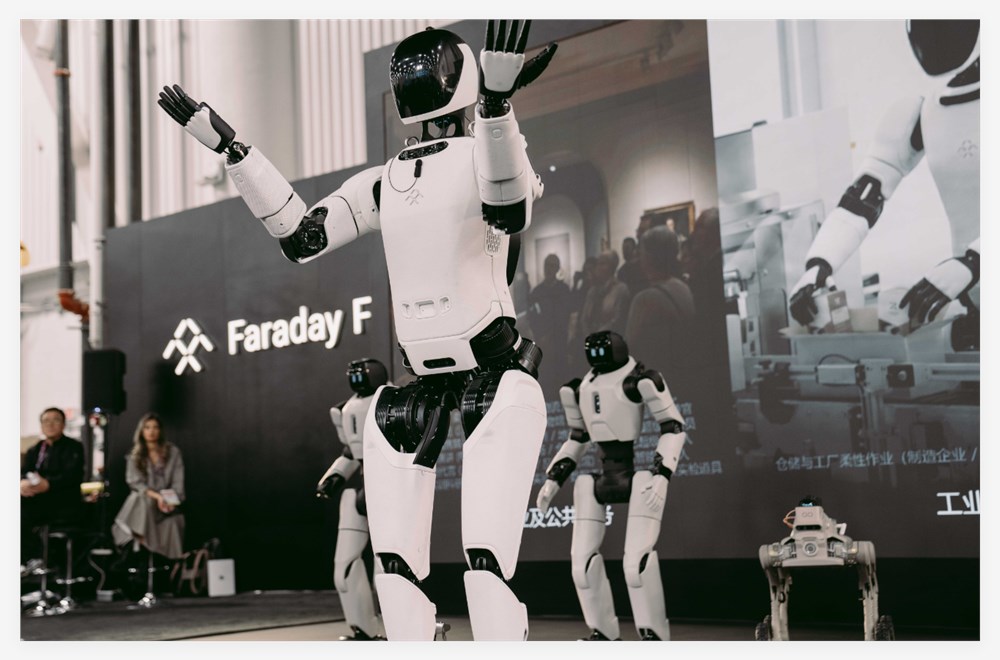
"We're not just building robots," Jia told the crowd. "We're creating intelligent partners that will transform how we work and live." While keeping specific model names under wraps, FF did share renderings showing sleek, futuristic designs that wouldn't look out of place in a sci-fi film.
Connecting the Dots Between Cars and Computers
The automotive-turned-tech company revealed its "633" framework—an ambitious plan linking six industries with three solution types across three workflow categories. This architecture aims to position FF's robots as practical tools rather than novelty items.
Perhaps more intriguing is how these machines will interact with FF's existing products. The company envisions seamless integration between its electric vehicles, AI platform, and now robotics division—creating what Jia describes as "an ecosystem where your car knows your robot and vice versa."
Pricing Puzzle Remains Unsolved
The most tantalizing—and vague—revelation concerned affordability. Jia promised "killer pricing" for the consumer model but stopped short of naming figures. Industry watchers immediately began speculating whether FF could realistically deliver capable home robots at mass-market prices given current technology costs.
The launch comes at a critical juncture for FF, which has faced numerous challenges establishing itself in the competitive EV space. Whether this robotics gamble pays off may depend on how quickly the company can move from flashy prototypes to real-world products that live up to their promises.
Key Points:
- FF unveiled three robot series targeting different market segments
- The "633" architecture aims to ensure practical business applications
- Integration with existing FF products forms core of ecosystem strategy
- Consumer pricing remains undisclosed but promised as competitive
- Move represents significant diversification beyond automotive roots