

ByteDance's Bernini Brings Precision to AI Video Editing
AI Video Editing Gets a Brain Upgrade
The days of frustrating, unpredictable AI video edits may be coming to an end. ByteDance's technology team has unveiled Bernini, an open-source framework that fundamentally changes how AI approaches video generation and editing. Rather than jumping straight to visual output, Bernini introduces a crucial middle step: understanding.
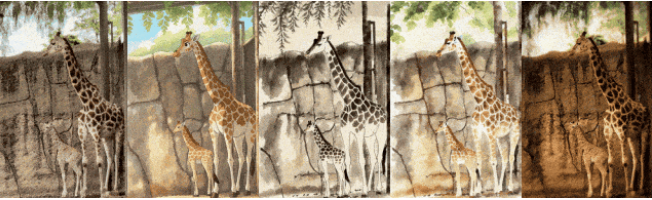
How Bernini Works: Plan Then Create
Traditional AI video tools often stumble when faced with complex instructions, resulting in distorted subjects, drifting backgrounds, or jarring action sequences. Bernini tackles these issues head-on by splitting the process into two intelligent phases:
- Semantic Planning: Using advanced multimodal models, the system analyzes text prompts, reference videos, and images to create a detailed "semantic sketch" – essentially a blueprint of what the final video should convey
- Visual Rendering: A specialized Diffusion Transformer then brings this plan to life with stable, high-quality results
"This 'understand first' approach solves so many pain points we've all experienced with AI video tools," explains a ByteDance engineer familiar with the project. "It's like giving the AI a storyboard before asking it to film the scene."
Precision Editing Comes to AI
What sets Bernini apart is its remarkable control. Users can now make nuanced adjustments that previously required professional software:
- Change weather conditions or time of day without affecting the main subject
- Adjust camera angles and focus points precisely
- Modify character actions while keeping the environment stable
The system even supports visual references, allowing specific products or elements to be seamlessly inserted into videos without the usual boundary violations or perspective distortions.
Technical Breakthroughs Powering Bernini
At its core, Bernini introduces several innovations:
- SA-3D RoPE encoding: Prevents visual segments from blending together by giving each element unique markers
- Multimodal understanding: Works with text, images, and video references simultaneously
- Semantic preservation: Maintains spatial and temporal relationships throughout edits
ByteDance has already made the inference code and Bernini-R model publicly available, with the complete version including the MLLM planner set for release soon.
Key Points
- Bernini represents a shift from direct generation to planned creation in AI video editing
- The framework solves common issues like flickering frames and unstable subjects
- Users gain unprecedented control over visual elements and camera parameters
- Support for multiple input types enables more consistent creative results
- Open-source availability could accelerate development across the AI video field