

Baichuan's New Medical AI Cuts Hallucinations to 3.3%, Launches WeChat Family Doctor
Medical AI Gets a Reality Check: Baichuan's Breakthrough
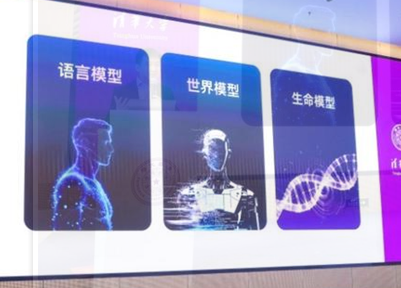
At Tsinghua University's Baichuan Building, founder Wang Xiaochuan pulled back the curtain on what might be medicine's new digital brain trust. The freshly minted Baichuan-M4 model doesn't just understand medical queries - it gets them right 96.7% of the time, setting a new standard for reliability in AI-assisted healthcare.
Solving AI's 'Tall Tale' Problem
Every doctor knows misinformation can be deadly, and until now, medical AI had its own version of tall tales - what researchers politely call 'hallucinations.' Baichuan's team developed what amounts to a truth serum for algorithms, their proprietary 'factual perception reinforcement learning' that weeds out medical fiction.
The results speak for themselves:
- Topped HealthBench's professional medical evaluation
- Outperformed GPT-5.5 and other industry leaders
- Currently in trials at Beijing Children's Hospital and other top medical centers
'We're not just building a smarter medical assistant,' Wang explained, 'we're creating one you can actually trust with your health decisions.'
Your Family Doctor Now Fits in Your Phone
The real magic happens when this technology meets daily life. Bai Xiaoyi - the AI family doctor - turns WeChat into a 24/7 health guardian. Add it to your family group chat, and it quietly builds health profiles from casual messages, catching red flags between dinner plans and vacation photos.
Imagine mentioning your dad's blood pressure in passing, and Bai Xiaoyi:
- Flags if readings seem off
- Tracks medication schedules
- Reminds when check-ups are due
'This isn't about replacing doctors,' Wang emphasized, 'but about giving families continuous support between visits.' The system even structures messy health data from conversations into usable medical records.
Key Points:
- 3.3% hallucination rate sets new benchmark for medical AI reliability
- WeChat integration brings AI health monitoring into daily life
- Beijing Children's Hospital among early clinical partners
- Non-intrusive monitoring builds health profiles from natural conversations
- Medication tracking helps families stay on top of treatment plans