Apple's DarkDiff Tech Could Revolutionize Night Photography
Apple's New DarkDiff Tech Brings Night Vision to Smartphones
Imagine taking crisp, detailed photos in near-total darkness - no flash, no long exposure needed. That's the promise of DarkDiff, a revolutionary photography technology developed by Apple researchers in collaboration with Purdue University.
How DarkDiff Changes the Game
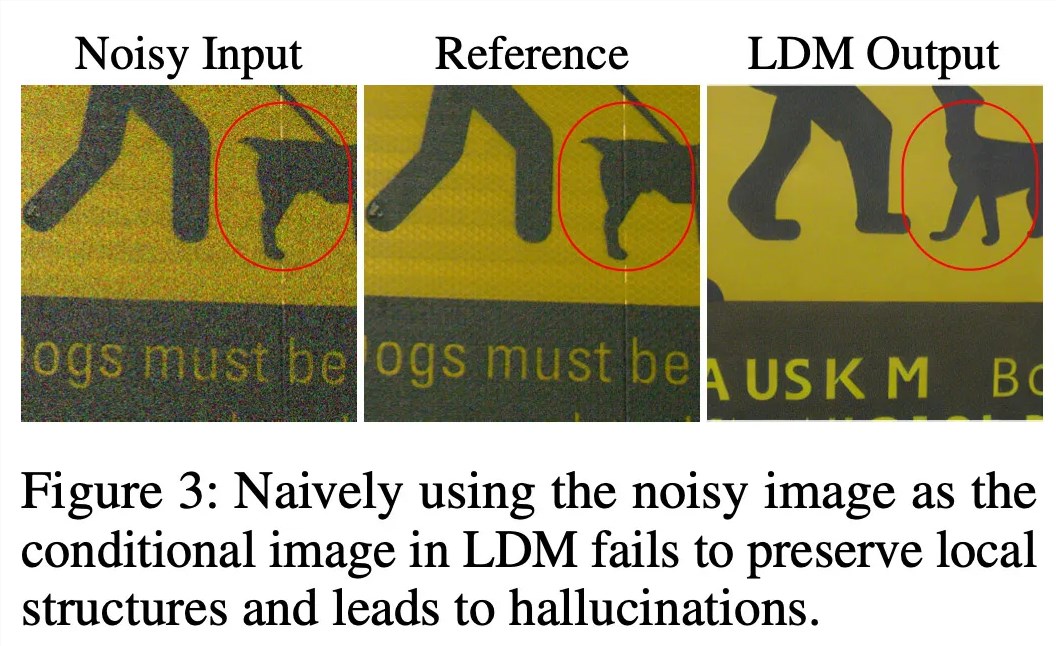
Traditional smartphone night modes try to fix dark photos after they're taken, often resulting in unnatural-looking images with that telltale "oil painting" effect. DarkDiff takes a radically different approach by bringing artificial intelligence into the image creation process from the very beginning.
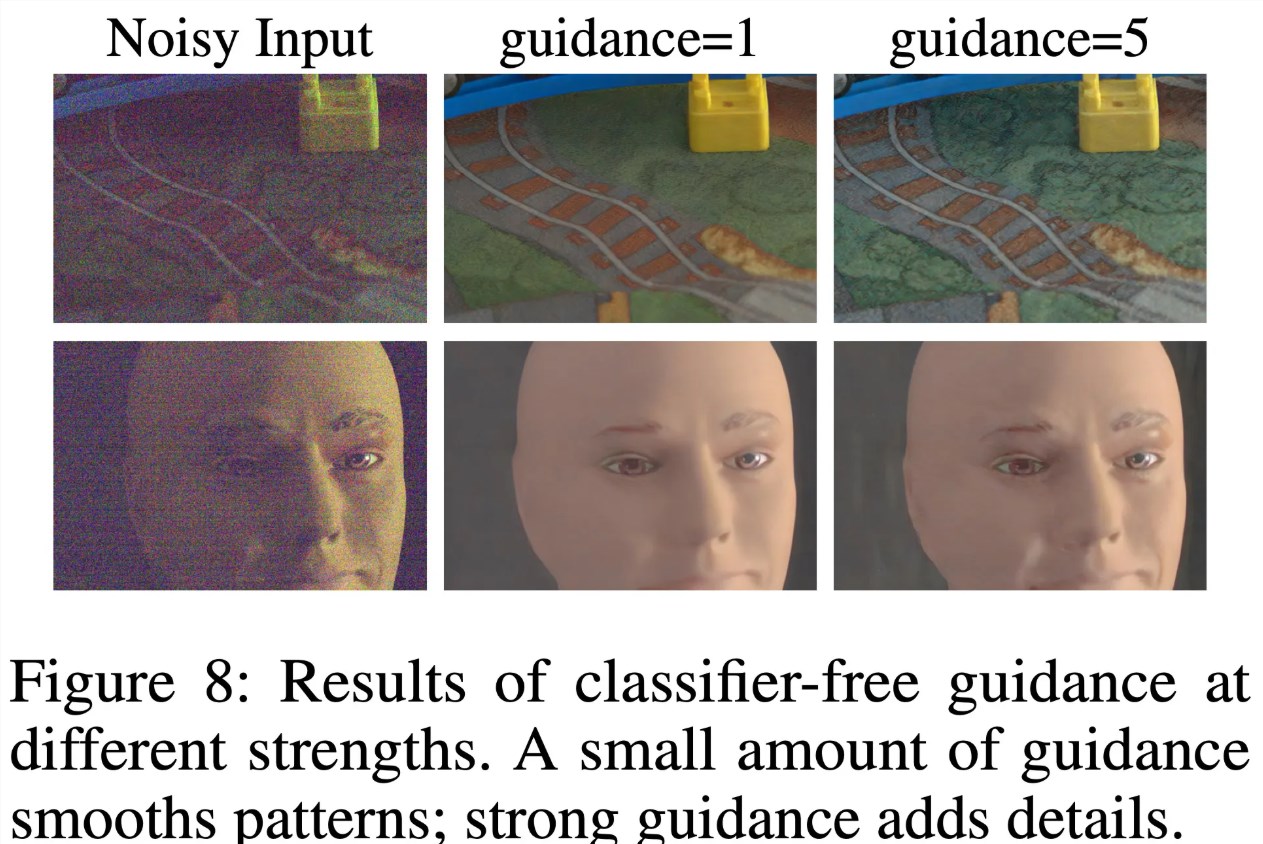
The system uses generative diffusion models - similar to those powering AI image generators - but applies them right in the camera's image signal processor (ISP). This allows it to intelligently reconstruct textures and colors that would normally be lost in low light conditions.
"It's not just enhancing what the sensor captures," explains one researcher familiar with the project. "DarkDiff is actually predicting and recreating details based on its training from millions of images."
To keep things realistic, the team implemented a local patch attention mechanism that ensures generated details match the actual scene structure. This prevents those bizarre AI artifacts we sometimes see in generated images.
Real-World Performance
The results speak for themselves. In lab tests simulating extreme darkness, DarkDiff produced remarkable images with just 0.033 seconds of exposure time - matching reference photos taken with exposures 300 times longer using professional tripod-mounted cameras.
Challenges Ahead
Before you get too excited about having night vision in your next iPhone, there are some hurdles to clear. The computational demands of diffusion models mean current implementations would drain battery life quickly. Apple may need to offload processing to the cloud initially.
The technology also currently struggles with non-English text recognition in dark conditions - an important consideration for global markets. While Apple hasn't announced a timeline for commercial release, this breakthrough demonstrates how AI is pushing mobile photography into uncharted territory.
Key Points:
- Game-changing approach: Integrates AI directly into camera processing rather than relying on post-production fixes
- Remarkable low-light performance: Matches quality of long-exposure shots with just 0.033s capture time
- Technical hurdles remain: High power consumption and text recognition limitations need addressing before consumer release
- The future of mobile photography: Shows how AI can overcome fundamental hardware limitations