

Alibaba's AI Now Spots Health Issues Like a Doctor - Here's How It Works
Alibaba's Medical AI Breakthrough: From Data to Diagnosis
When you snap a picture of that suspicious rash or confusing lab report, wouldn't it be great if your phone could analyze it like a trained physician? That's exactly what Alibaba's Tongyi Qianwen app aims to do with its latest upgrade, moving beyond simple text recognition to genuine medical image understanding.
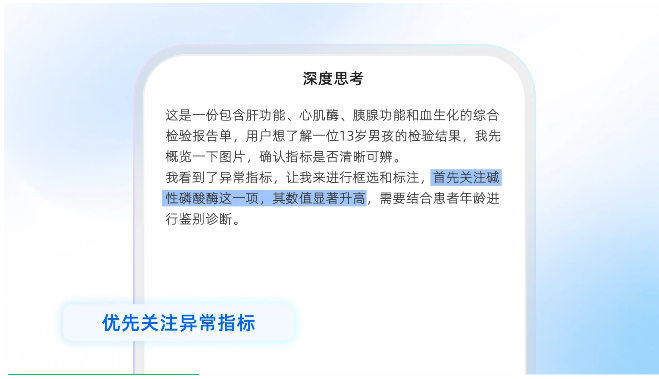
Seeing What You See - Literally
The most visible improvement? The AI now highlights areas of concern directly on your uploaded images. That red patch on your skin? The system can circle it just like a dermatologist might during an in-person exam. Abnormal lab values? They'll stand out with clear visual markers rather than getting lost in a sea of numbers.
But the real magic happens beneath the surface. Rather than treating each data point in isolation, the AI considers your age, gender, and multiple indicators together - recognizing, for instance, that certain elevated enzyme levels might be perfectly normal for a teenager going through growth spurts.
Transparency Builds Trust
Perhaps most importantly, the system shows its work. Each analysis comes with a clear explanation of how the AI reached its conclusions, drawing from established medical knowledge. This "recognition - annotation - reasoning" approach helps users understand whether that slightly high cholesterol reading actually warrants concern.
Doctor-Approved Technology
Three senior physicians from Peking Union Medical College Hospital and other leading institutions put the system through its paces. In test cases ranging from teenage abdominal pain to potential fatty liver indicators, the AI demonstrated what doctors call "diagnostic differentiation awareness" - the ability to distinguish between similar-looking conditions based on contextual clues.
"It's not about replacing doctors," explains one tester, "but about helping patients make better use of the time before they see one." By filtering out false alarms and highlighting genuine red flags, the technology could reduce the anxiety that often comes with trying to interpret medical information alone.
Key Points:
- Visual analysis: AI now marks problem areas directly on uploaded images
- Context matters: Considers age, gender and multiple indicators together
- See the reasoning: Full transparency about how conclusions are reached
- Doctor-tested: Validated by senior physicians at top hospitals
- Anxiety reducer: Helps users distinguish between normal variations and real concerns