

AI Coding Tools Get a Reality Check: The Challenges of Data Warehouse Automation
When AI Forgets: The Hidden Costs of Automation
In the rush to automate data warehouse development, teams are discovering that AI coding tools like Claude Code come with unexpected limitations. What happens when your digital assistant starts forgetting crucial details mid-project? The Dewu engineering team learned this lesson the hard way when their AI-generated SQL queries began producing results that were off by a factor of 1,000.
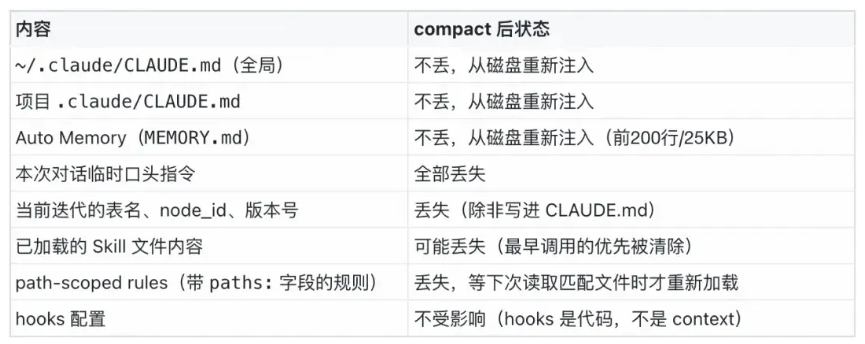
"It's like working with a brilliant but absent-minded colleague," explains one Dewu developer. "The AI would remember field names but forget whether we were working in dollars or cents. Those tiny oversights created massive problems downstream."
The Compliance Conundrum
Even more troubling? The unpredictable nature of AI compliance enforcement. During crunch periods, Dewu found their manual compliance rate dropping to 60-70%, while the AI's enforcement hovered between 70-80%. These numbers reveal an uncomfortable truth: neither humans nor AI can reliably maintain standards under pressure alone.
"We realized we needed something more robust than memory," says the team lead. "Compliance can't be optional or situational - it needs to be baked into the system itself."
Building Guardrails for AI
The solution emerged as "Harness Engineering" - a framework that transforms best practices into mandatory system checks. Think of it as creating digital guardrails that keep AI tools from veering off course, while still allowing for creative problem-solving within defined parameters.
Key components include:
- Automated quality gates that validate outputs
- Context-preserving hooks that maintain critical information
- Fail-safes that flag potential errors before they propagate
The Human-AI Partnership
What makes the Harness approach unique is its recognition that AI works best with human oversight. Rather than replacing developers, it augments their capabilities while preventing common pitfalls. Early results show promise, with error rates dropping significantly on complex projects.
As one team member puts it: "We're not trying to create perfect AI - we're building systems where AI's strengths compensate for human weaknesses, and vice versa."
Key Points:
- Memory gaps matter: AI context loss can create thousand-fold errors in critical data
- Compliance needs teeth: Voluntary standards fail when deadlines loom
- Guardrails enable innovation: Structured frameworks actually increase creative freedom
- Partnership beats replacement: The best systems combine AI efficiency with human judgment